Spinal Decompression Success Rates: What the Research Actually Shows
When you're exploring options for back pain, herniated discs, or sciatica, you want more than reassurance: you want evidence. Understanding the technology behind a treatment is one important piece of the puzzle, but knowing how well that treatment actually works is equally critical. As part of our broader look at advanced spinal decompression equipment and what separates modern computerized systems from older approaches, this guide takes a focused look at spinal decompression success rate data: what the research shows, which conditions tend to respond well, and what factors influence outcomes. Whether you're at the early stages of research or nearly ready to schedule a consultation, this guide will help you make a more informed decision.
What Do Clinical Studies Say About Spinal Decompression Success Rates?
The spinal decompression success rate reported across more than ten independent clinical research studies consistently falls within a range of 71% to 89%. That's a meaningful figure: particularly when you consider that many of the patients included in this research had already tried other conservative treatments without satisfactory results.
These studies evaluated outcomes including pain reduction, improved range of motion, and return to normal daily activities. Across the board, the findings point to non-surgical spinal decompression as a legitimate, evidence-supported approach for a range of spinal conditions. While no treatment can promise a specific result for every individual, a body of research showing positive outcomes in the majority of patients studied is considered strong clinical support within the field of physical rehabilitation.
How Researchers Measure "Success"
It's worth understanding what researchers are measuring when they report these numbers. In most spinal decompression studies, success is defined using a combination of patient-reported outcomes, such as reduced pain scores on standardized scales, and functional improvements, like increased mobility or reduced disability ratings. Some studies also use imaging data to track changes in disc position or fluid rehydration. The multi-dimensional nature of these measurements makes the 71-89% spinal decompression success rate particularly credible, because it reflects real-world improvement across several quality-of-life markers, not just a single data point.
What the Research Doesn't Tell Us
Context matters when reading any clinical data. Most studies were conducted with selected patient populations: meaning participants were screened for conditions where decompression therapy was likely appropriate. This is worth keeping in mind: the spinal decompression success rate figures reflect outcomes for patients who were considered good candidates for the therapy. A qualified provider will conduct a thorough assessment before recommending treatment, which is part of why the real-world results in clinical practice tend to align well with research findings. Always speak with a licensed healthcare professional to understand whether this therapy may be appropriate for your individual situation.
Which Conditions Show the Strongest Response?
Spinal decompression therapy has been studied across several of the most common diagnoses that bring patients through the door of a chiropractic or rehabilitation clinic. Understanding which conditions tend to respond well can help you assess how relevant the research is to your own experience.
Herniated Discs
Herniated discs are among the most well-researched indications for spinal decompression therapy, and this is where some of the strongest spinal decompression success rate data originates. The therapeutic goal is to create gentle negative pressure within the disc space, which may help draw displaced disc material back toward a more central position and allow the disc to rehydrate over time. Patients with lumbar herniated discs in particular have shown consistent improvements in pain scores and functional ability across multiple studies.
Sciatica
Sciatica: the radiating discomfort that travels from the lower back through the hip and down the leg, often stems from nerve compression caused by a disc problem. Because spinal decompression therapy targets the root cause of that compression rather than just the symptom, many patients with sciatic presentations have responded positively in clinical settings. Improvements in leg pain and reduced nerve irritation are frequently cited outcomes in research examining the spinal decompression success rate for this condition.
Pinched Nerves and Bulging Discs
Similar mechanisms apply to other forms of nerve compression and disc-related conditions. Patients researching spinal decompression for pinched nerves or exploring spinal decompression for bulging discs will find that these conditions are among the more commonly treated and studied applications of the therapy. The decompressive forces applied during treatment are designed to reduce pressure on affected nerves and create conditions that support natural tissue recovery.
Computerized Spinal Decompression vs. Older Methods: Does Technology Affect Outcomes?
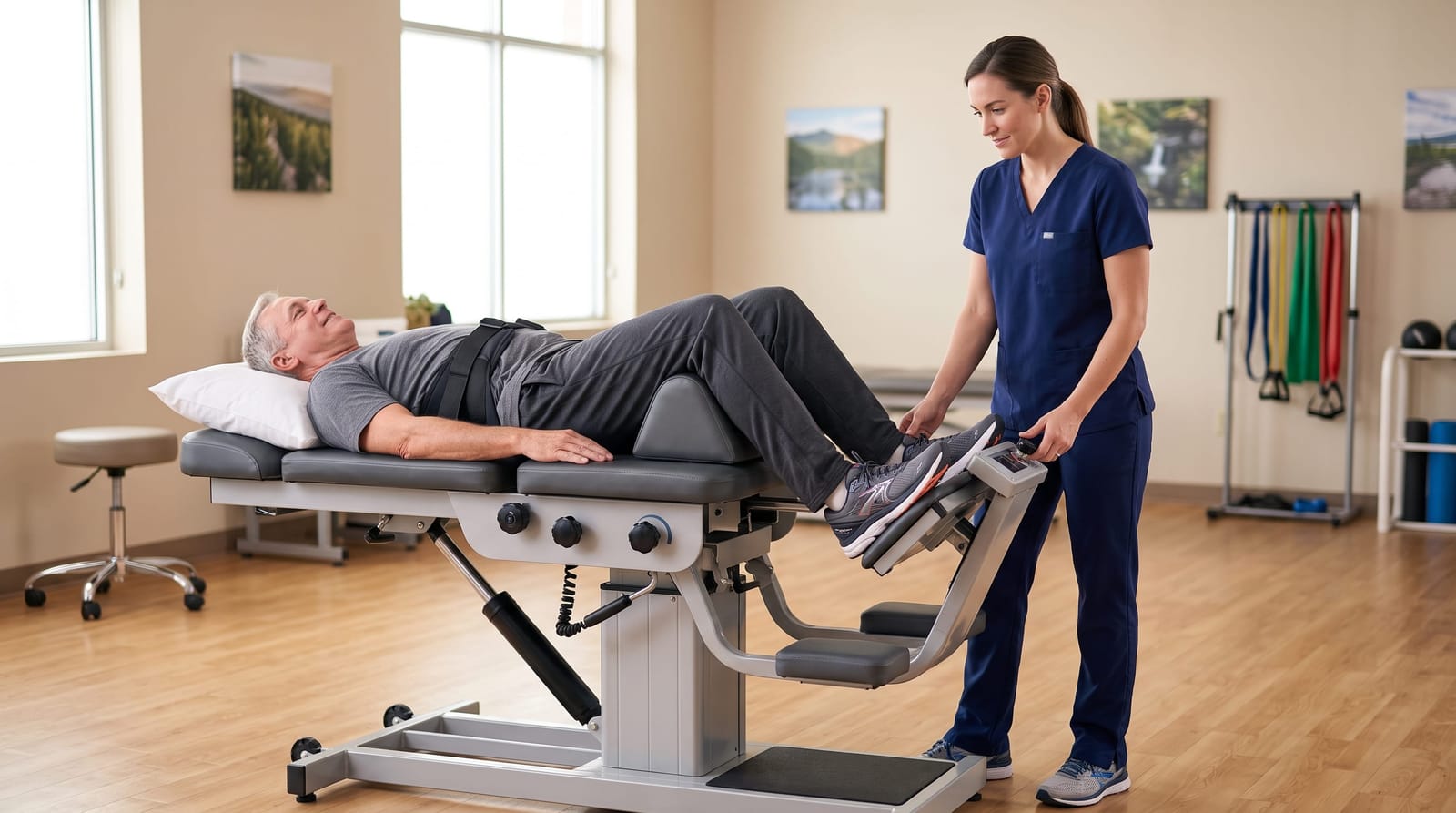
Not all spinal decompression is created equal, and this distinction is important when evaluating spinal decompression success rate data. Earlier forms of mechanical traction, involving static or manually adjusted pulling forces, delivered tension in a more generalized, less controlled way. The body's natural reflex response to being pulled is to resist, which can cause surrounding muscles to tighten and potentially reduce the therapeutic effect on the target disc or nerve.
The Role of Computerized Control
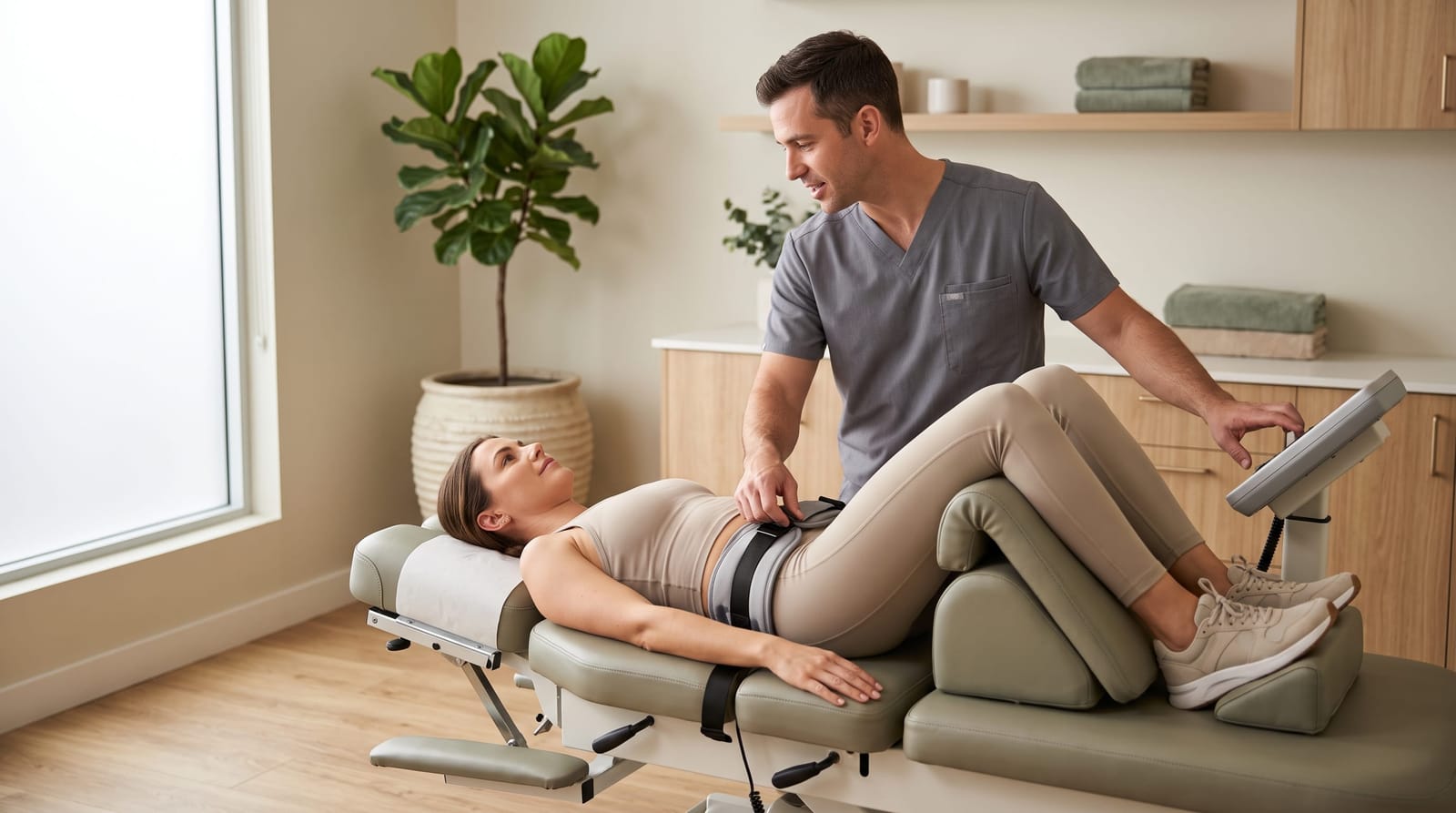
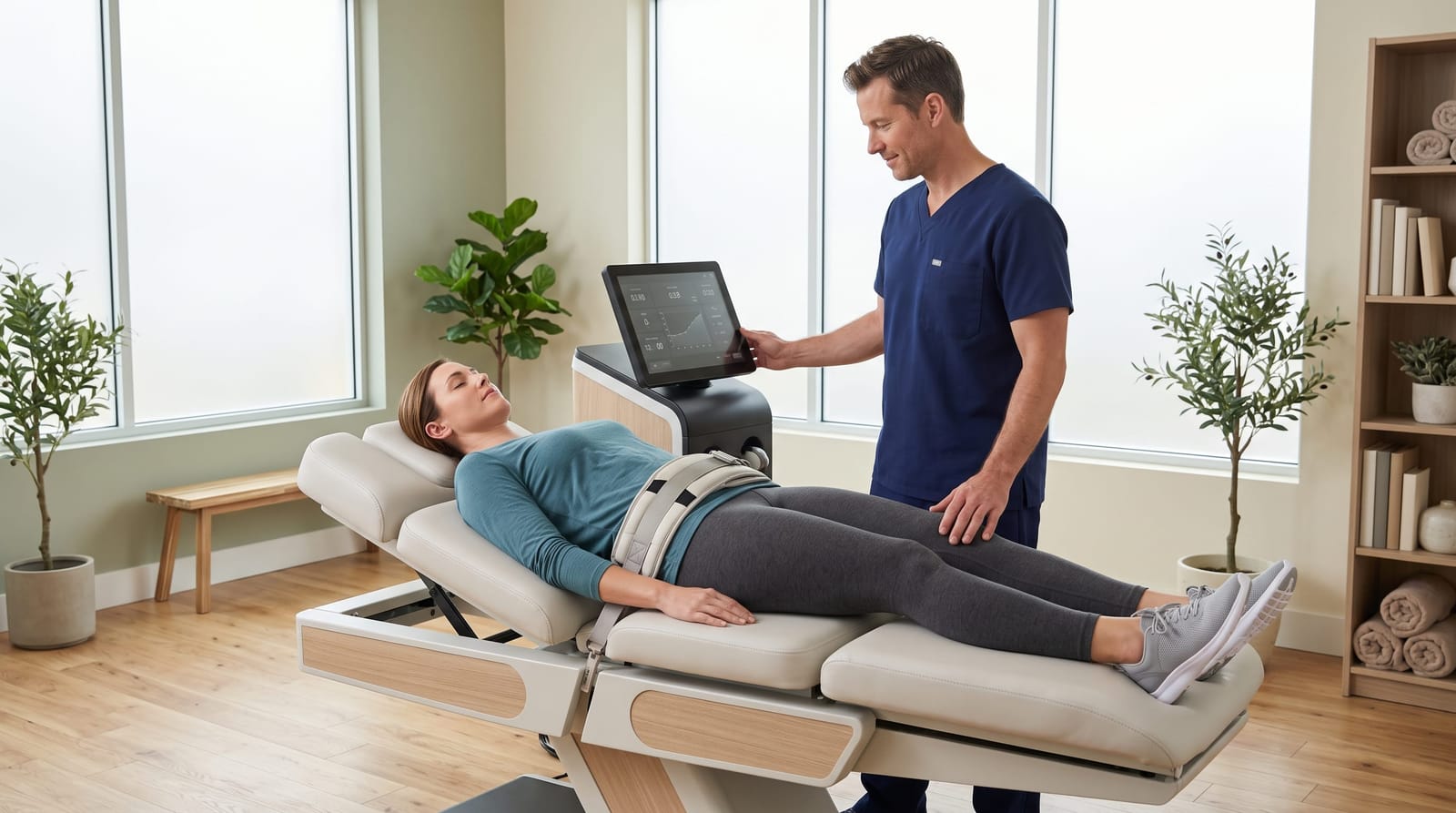
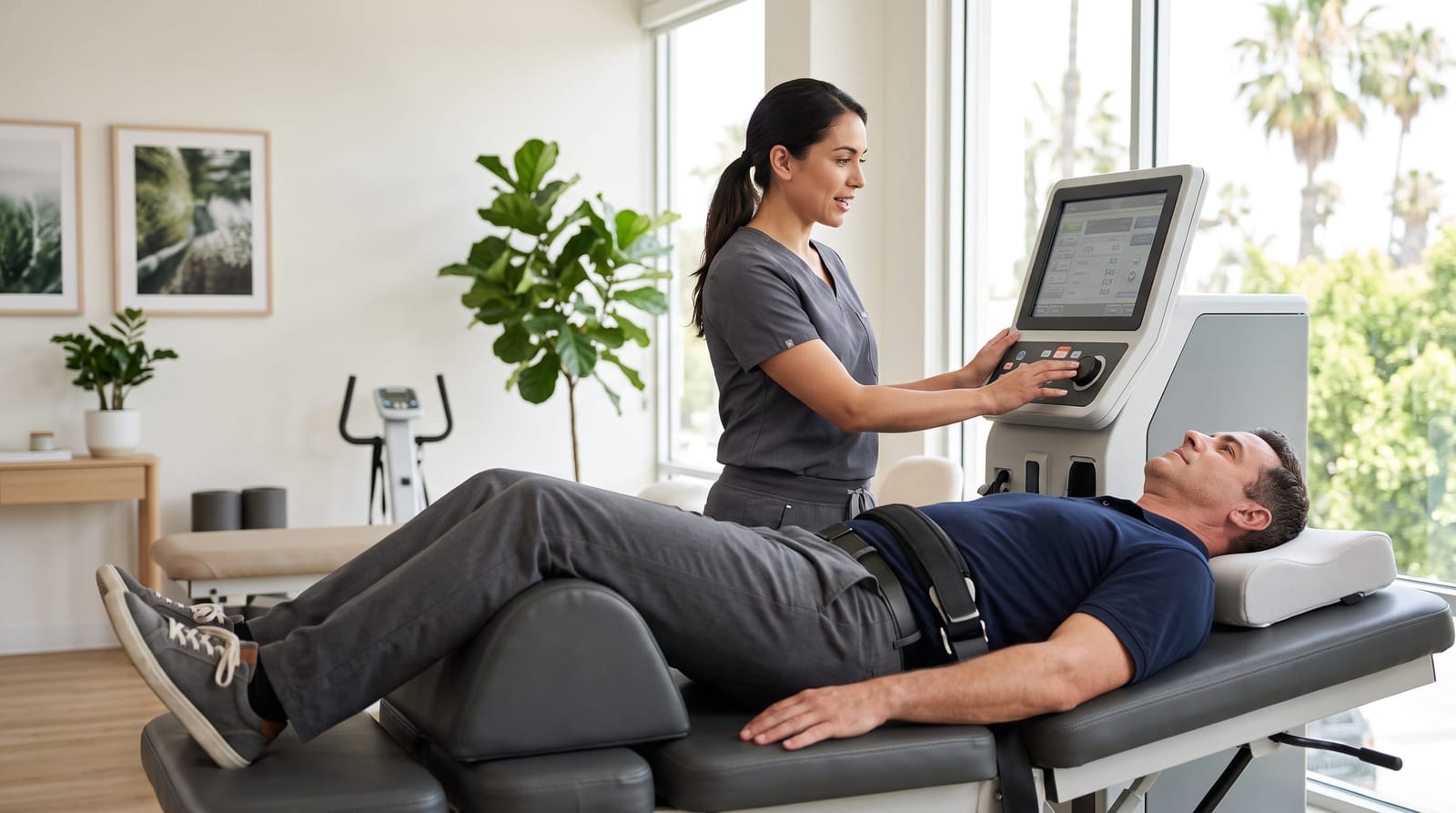
Modern computerized decompression tables use sophisticated programming to vary the angle, intensity, and duration of distraction forces in real time. The pull-and-release cycles are designed to stay below the threshold that triggers muscle guarding, which means the therapeutic force is more likely to reach the intended structures, the disc and surrounding tissues, rather than being absorbed or counteracted by tense muscles. This level of precision is simply not achievable with older or manual approaches.
This distinction matters when interpreting spinal decompression success rate statistics. Many of the more recent and robust studies have been conducted using computerized systems, which may partly explain why outcomes in newer research tend to be more consistent and favorable. For a deeper look at how these systems compare, the discussion on computerized spinal decompression tables versus manual traction covers the mechanical differences in detail.
Personalized Treatment Protocols
Another advantage of computerized systems is the ability to customize treatment parameters to each patient's specific condition, body weight, spinal segment being targeted, and symptom presentation. This individualization is a key reason why providers who invest in advanced equipment are often able to achieve results that align more closely with the upper end of the spinal decompression success rate range. Generic protocols applied to all patients regardless of their presentation simply can't replicate the precision that computerized systems offer.
Common Patient Questions About Effectiveness
Even after reviewing the research, patients often have practical questions that clinical studies don't fully answer. Here are some of the most frequently raised concerns: addressed honestly and with appropriate context.
"How do I know if I'm a good candidate?"
The spinal decompression success rate data is most relevant when applied to appropriate candidates. Providers typically conduct a thorough intake evaluation, including a review of your health history, symptom patterns, and in some cases imaging, before recommending a treatment plan. This screening process is what allows the clinical success rates to translate into real-world results. If you're curious about what the evaluation process involves, a conversation with a qualified provider is the most reliable starting point.
"How many sessions will I need?"
Research suggests that outcomes improve progressively over a course of treatment rather than after a single session. Most clinical protocols studied involve multiple sessions spread over several weeks. Understanding how many spinal decompression sessions are typically needed can help you set realistic expectations and plan accordingly. The number of sessions appropriate for any individual depends on the condition being addressed, its severity, and how the patient responds, which is why personalized evaluation matters.
"Is the improvement long-lasting?"
Some studies have tracked patients beyond the active treatment period and found that many maintain their improvements over time, particularly when they follow through with any recommended supportive care or home exercises. That said, long-term outcomes vary by individual, and ongoing spinal health habits play a meaningful role in sustaining progress. Spinal decompression therapy is best understood as a supportive intervention within a broader wellness approach, not a one-time fix.
"What if I've already tried other treatments?"
A notable characteristic of many spinal decompression research studies is that participants had previously attempted other conservative treatments, including medication, physical therapy, and traditional chiropractic adjustments, with limited relief. The fact that meaningful spinal decompression success rate figures held even in this population suggests that the therapy may be worth exploring for patients who haven't found adequate relief through earlier approaches. As always, individual circumstances vary, and a licensed healthcare professional is the right resource for guidance specific to your situation.
What These Numbers Mean for Your Decision
A spinal decompression success rate of 71% to 89% across a broad base of clinical research places this therapy among the better-supported non-surgical options for disc-related spinal conditions. That doesn't mean it's the right choice for every person or every type of back problem, but it does mean that for patients who are appropriate candidates, the evidence base is genuinely encouraging.
When you're evaluating providers, it's worth asking not just whether they offer spinal decompression, but what kind of equipment they use and how they determine candidacy. Providers using advanced computerized systems and following evidence-based patient selection protocols are better positioned to deliver outcomes consistent with the research. If you're in the Los Angeles area and weighing your options, understanding what to consider when choosing a spinal decompression provider can help you ask the right questions and find a practice that takes both the technology and the patient evaluation seriously.
Related Topics Worth Exploring
The spinal decompression success rate picture is most useful when paired with a clear understanding of how the therapy works for specific conditions and how treatment is structured. If you're looking to go deeper on particular aspects of this therapy, the following topics are worth exploring:
- How spinal decompression specifically addresses pinched nerve compression and what the treatment process involves
- The step-by-step experience of spinal decompression therapy for bulging discs, including what to expect during and after sessions
- How treatment protocols differ based on the spinal segment being targeted and the nature of the disc involvement
- The role of post-treatment care in sustaining and extending the benefits observed during the active treatment phase
Conclusion
The research surrounding spinal decompression success rate outcomes offers a genuinely reassuring picture for patients exploring this option. With clinical studies consistently reporting positive results in the 71-89% range across a variety of disc-related conditions, and with modern computerized systems offering a level of precision that older methods simply can't match, there are good reasons to take this therapy seriously as part of a thoughtful approach to spinal health.
At Prodigy Chiro Care, we're committed to helping patients understand their options clearly and honestly, so that any decision you make is grounded in real information, not guesswork. If you're ready to learn whether spinal decompression may be appropriate for your situation, we invite you to schedule a consultation with our team. We're here to help you take the next step toward feeling better.