Computerized Spinal Decompression vs. Manual Traction: What's the Difference?
When you start researching solutions for disc-related back or neck discomfort, you'll likely encounter two terms that sound similar but work very differently: manual traction and computerized spinal decompression. Understanding the distinction matters, especially if you've already tried conventional approaches without finding lasting relief. As part of our deeper look at advanced spinal decompression technology, this guide breaks down exactly how these two methods compare across the dimensions that affect your experience most: precision, comfort, consistency, and measurable outcomes. Whether you're evaluating treatment options for a herniated disc, a bulging disc, or persistent nerve-related discomfort, knowing what separates a modern computerized spinal decompression table from older traction methods will help you ask better questions and make a more confident decision.
What Is Manual Traction: and How Does It Work?
Manual traction is one of the oldest forms of spinal therapy. In its most basic form, a clinician applies a pulling force to the spine, either by hand or with a simple mechanical pulley system, to create separation between the vertebrae. The goal is to reduce pressure on compressed discs and relieve nerve irritation. While the underlying concept is sound, the execution has historically been limited by the tools available.
The Mechanics of Manual Traction
In a traditional manual traction setup, the patient lies on a flat table while a harness is attached around the pelvis or neck. A static or intermittent pulling force is then applied, typically at a fixed weight determined before the session begins. Most conventional traction devices operate with a simple timer and a preset force level: set it, start the session, and wait.
The key limitation here is that the force doesn't respond to you. If your muscles tighten defensively mid-session, a very natural response to perceived stretch, the table doesn't know. The same force continues to be applied, which can actually trigger a protective muscle guarding response rather than allowing the spine to decompress effectively. Research in rehabilitation science has long noted that static, unvarying traction can prompt this reflex, potentially reducing the therapy's effectiveness.
Where Manual Traction Falls Short
Manual traction also lacks precise documentation. Because force levels are set manually and the system doesn't monitor real-time physiological feedback, it's difficult to track exactly what happened during any given session, or to make micro-adjustments between sessions based on measurable data. For patients who want to understand their progress, this creates a gap between treatment and insight.
How a Computerized Spinal Decompression Table Works
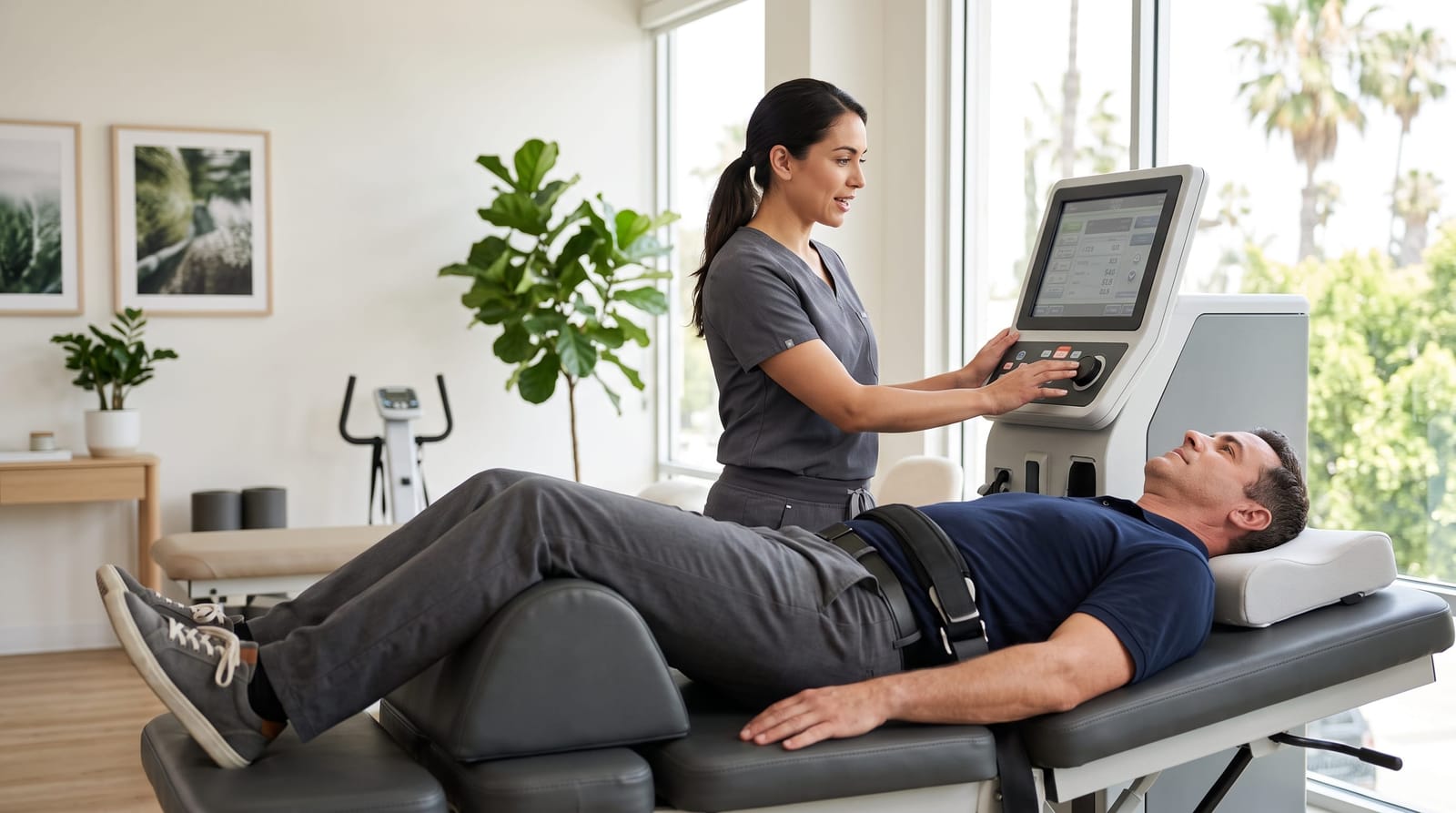
A computerized spinal decompression table represents a significant evolution from manual traction. Rather than applying a fixed, unchanging pull, these systems use computer-guided technology to deliver a carefully sequenced pattern of tension and relaxation throughout each session. The difference isn't just technical: it directly affects how your body responds during treatment.
Precision Force Control: The Core Advantage
At the heart of any quality computerized spinal decompression table is its ability to control pulling force with a high degree of precision. Modern systems can adjust force levels in increments as small as one pound, allowing the clinician to dial in exactly the right amount of distraction for each patient's size, condition, and tolerance. Typical decompression sessions use forces ranging from approximately 50% of the patient's body weight for lumbar (lower back) cases, with levels adjusted as the treatment plan progresses.
This precision matters because too little force may not create meaningful intradiscal pressure reduction, while too much force too quickly can cause muscle guarding. A computerized spinal decompression table finds and maintains the therapeutic window in a way that manual systems simply cannot replicate.
Real-Time Feedback and Muscle Response Monitoring
One of the most clinically significant features of a modern computerized spinal decompression table is its sensor system. These sensors continuously monitor tension on the harness and can detect when the patient's muscles are resisting or tensing during the session. When resistance is detected, the system automatically modulates the force: easing back slightly to prevent muscle guarding and then gradually re-engaging as the muscles relax.
This dynamic adjustment process is what separates computerized decompression from static traction. Instead of fighting the body's protective reflexes, the technology works with them. The result is a smoother, more comfortable experience that allows the spine to respond progressively over the course of a session rather than bracing against a constant pull.
Side-by-Side Comparison: Key Clinical Differences
To make the contrast concrete, it helps to look at both approaches across the factors that matter most to patients researching this type of care.
Force Consistency and Reproducibility
Manual traction relies on clinician judgment and mechanical presets. Session-to-session consistency depends heavily on the practitioner's experience and attention. A computerized spinal decompression table, by contrast, logs precise force data for every session. The clinician can review exactly what forces were applied, for how long, and at what intervals. This creates a reproducible, documentable treatment record: something that is far more difficult to achieve with manual methods.
Treatment Customization
Because computerized systems capture session data, they enable progressive treatment planning. A clinician can start with a lower force level in the first week, typically around 10-15 pounds for some cervical (neck) cases, and gradually increase as the patient adapts. Manual traction offers limited ability to track this progression with the same precision.
Patient Comfort During Sessions
Sessions on a computerized spinal decompression table typically last approximately 30 minutes. During that time, the table cycles through carefully timed phases of decompression and relaxation, often in patterns such as 60 seconds of pulling followed by 30 seconds of partial release. This rhythmic cycling is designed to promote fluid exchange within the disc, allowing nutrient-rich fluid to move into the disc tissue, which may support the body's natural healing environment. Patients frequently report that sessions feel more comfortable than they expected, partly because the system responds to their body rather than ignoring it.
Measurability and Outcome Tracking
Perhaps the most meaningful difference for analytically-minded patients is the ability to track outcomes over time. A computerized spinal decompression table generates treatment data that can be reviewed alongside patient-reported progress. For a demographic that researches before committing to care, this transparency is reassuring: there's an actual record of what was done and how it evolved, not just a general description of what happened in the room.
Why Consistency Produces More Predictable Outcomes
One of the most important principles in any rehabilitation or wellness context is consistency. The body responds to repeated, appropriate stimulation over time, whether that's in physical therapy, strength training, or spinal decompression. A computerized spinal decompression table supports this principle by ensuring that each of the typically 15 to 20 sessions in a standard treatment plan is delivered with the same controlled precision as the first.
With manual traction, variability is harder to avoid. Subtle differences in harness placement, force timing, and patient positioning can compound across sessions, making it genuinely difficult to know whether an improvement (or a lack of improvement) reflects the therapy itself or the variability in how it was delivered. Computerized systems remove much of this uncertainty.
A Note on Who Benefits Most
Computerized spinal decompression is most commonly discussed in the context of herniated discs, bulging discs, degenerative disc conditions, and certain causes of nerve-related discomfort. That said, not every patient is a candidate for spinal decompression therapy, and a qualified clinician should always evaluate your individual situation before any treatment begins. This article is intended as educational information only and is not a substitute for a professional assessment. If you're curious about whether this approach might be appropriate for your circumstances, a consultation with a knowledgeable chiropractor or healthcare provider is the right first step.
What to Expect From a Modern Computerized Decompression Session
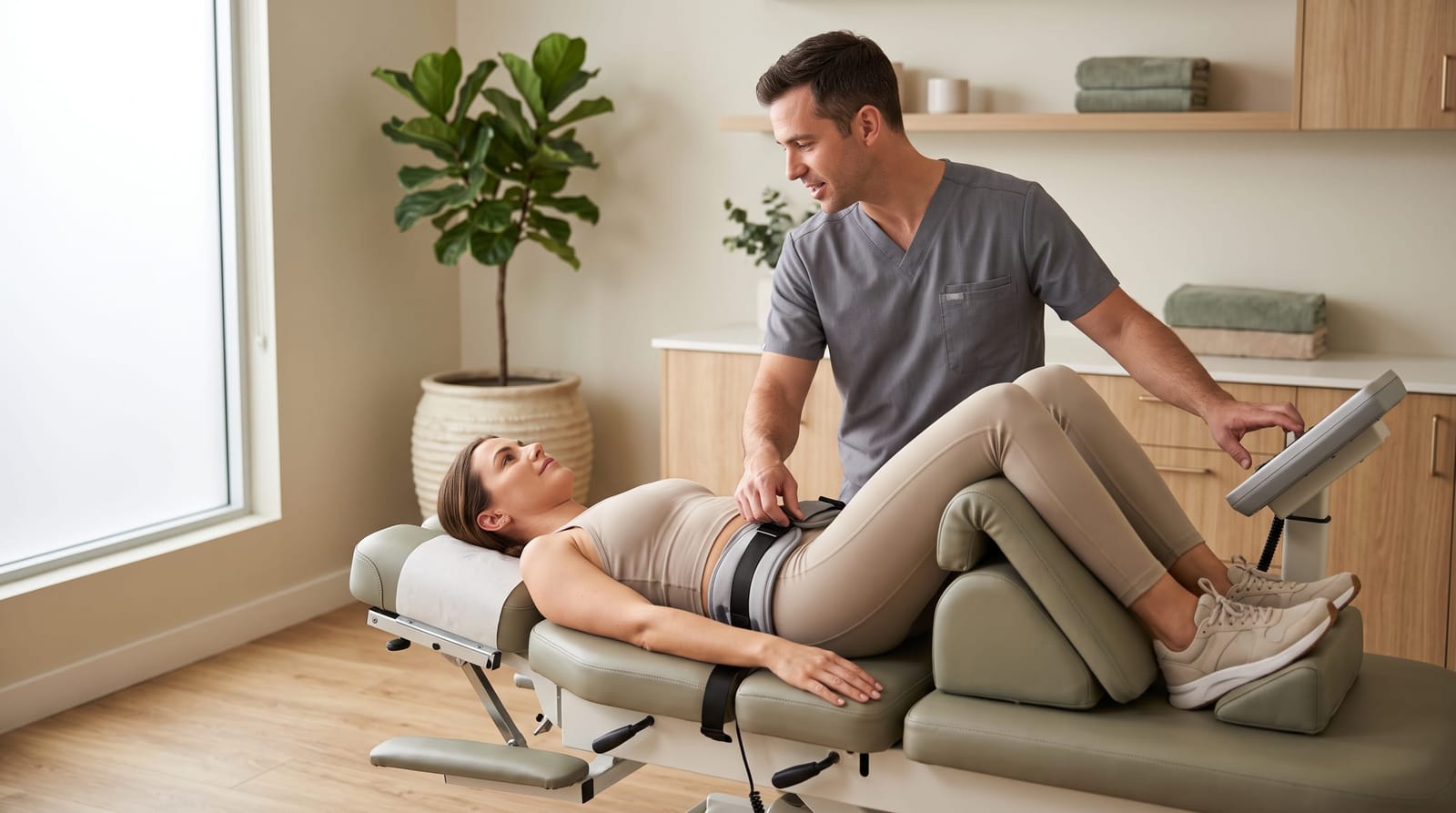
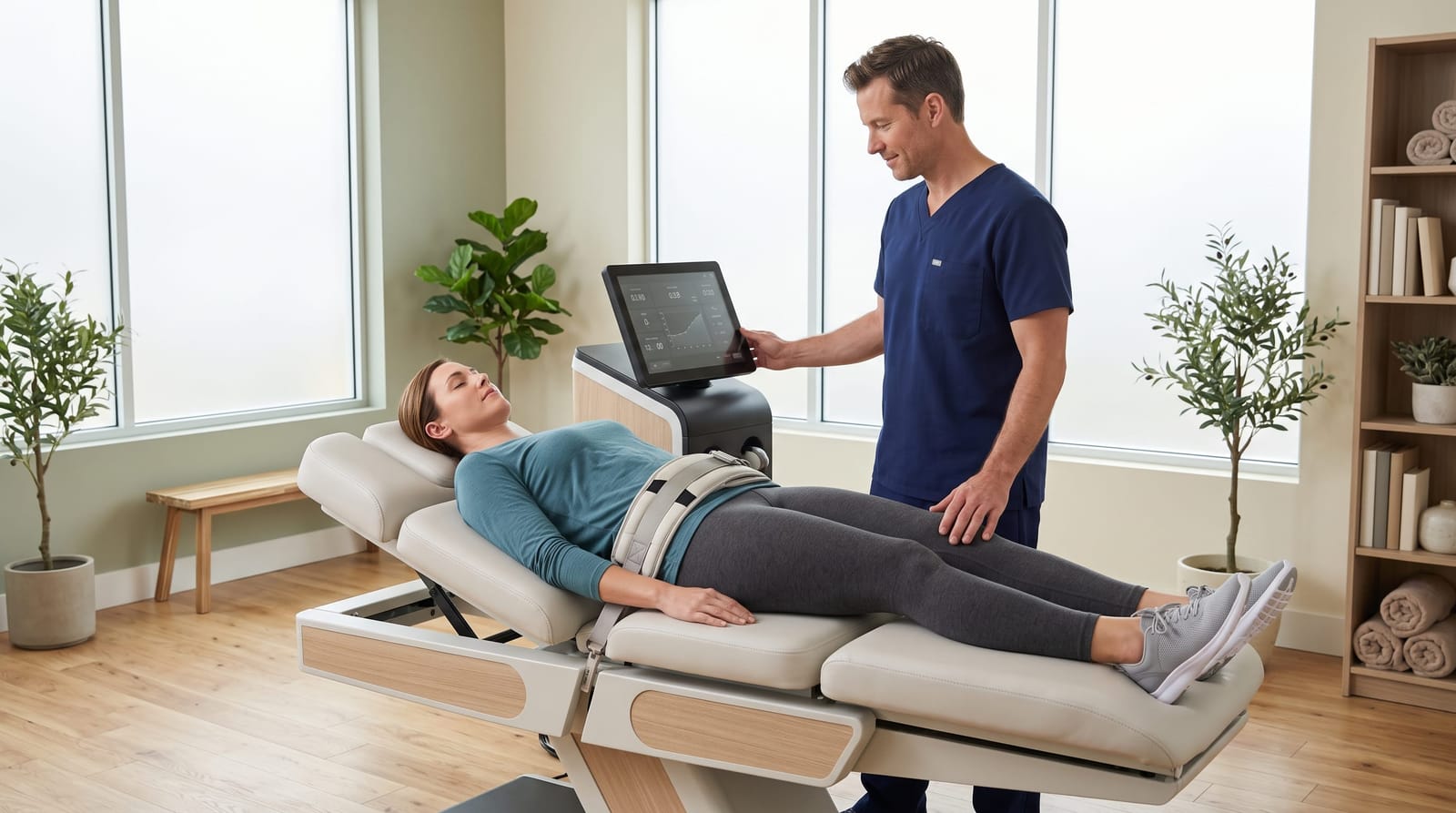
For many patients, the most reassuring thing to know before trying spinal decompression is simply what it feels like. A typical session on a computerized spinal decompression table involves lying comfortably on the table while a snug but comfortable harness is fitted around the pelvis (for lumbar cases) or the neck. The table then gently begins its programmed decompression cycle.
Most patients describe the sensation as a mild, rhythmic stretching, often relaxing rather than uncomfortable. Because the system is constantly monitoring your body's tension levels and adjusting accordingly, there's no sudden jolt or jarring force. Many patients find themselves relaxed enough to close their eyes during the session.
If you're wondering about the comfort side of this experience in more depth, our post on is spinal decompression painful goes into greater detail about what patients actually report feeling before, during, and after sessions.
Related Topics Worth Exploring
This comparison between manual traction and computerized decompression is one piece of a larger picture. If you're continuing your research, there are a few related areas that connect closely to what we've covered here:
- How computerized tables are calibrated and what makes the technology behind them distinct from older traction equipment
- The role of intradiscal pressure in disc recovery and why the cycling pattern of computerized decompression is designed to influence it
- What a full spinal decompression treatment plan looks like across multiple sessions, and how clinicians track progress over time
Each of these topics connects back to the broader question of why the equipment used during spinal decompression therapy isn't just a background detail: it's a core part of what makes modern treatment different from older approaches.
Conclusion: Technology That Works With Your Body, Not Against It
The gap between manual traction and a modern computerized spinal decompression table isn't just a matter of new versus old: it's a meaningful clinical difference in precision, responsiveness, consistency, and the quality of information generated during each session. For patients who are doing their homework before committing to care, that distinction is worth understanding. Computerized decompression works with your body's natural responses rather than overriding them, delivers measurable and reproducible sessions, and supports a progressive treatment approach that can be tracked over time.
If you'd like to learn more about how computerized spinal decompression works at Prodigy Chiro Care, or whether it might be a good fit for your situation, we invite you to reach out and schedule a consultation. Our team is here to answer your questions, walk you through the technology, and help you feel confident about your path forward.