Left Side vs Right Side Sciatica: What the Location of Your Pain Tells You

When sciatic nerve pain strikes, most people notice something specific right away: it usually stays on one side of the body. Whether you're feeling that familiar ache down your left leg or a sharp sensation radiating through your right hip, the location of your pain isn't random. Understanding left side vs right side sciatica can help you have more informed conversations with your care provider, recognize what might be contributing to your discomfort, and explore the right support options sooner. This post dives into why sciatica tends to be one-sided, what the affected side may suggest about nerve involvement, and how targeted approaches like spinal decompression and chiropractic care can support your recovery journey.
Why Sciatica Is Almost Always One-Sided
The sciatic nerve is actually a pair of nerves: one running down each side of your body. Each nerve originates from a bundle of nerve roots in the lower lumbar and sacral spine, typically at levels L4, L5, and S1. When compression or irritation affects one side, symptoms appear on that same side. This is why left side right side sciatica is one of the most commonly searched patterns people notice when first researching their symptoms.
Research suggests that sciatica affects roughly 10 to 40 percent of people at some point in their lives. In most cases, only one sciatic nerve is involved. Bilateral sciatica, pain on both sides simultaneously, does occur, but it accounts for a smaller percentage of presentations and often signals a different underlying concern that warrants prompt evaluation.
Understanding that your pain is one-sided actually gives your care provider useful diagnostic information. It helps narrow down which nerve root levels may be involved, which spinal structures warrant closer attention, and which movement patterns or positions tend to aggravate or relieve your symptoms.
What Left-Side Sciatica May Indicate
Left-sided sciatic pain follows the path of the left sciatic nerve from the lower back through the left buttock, down the back of the left thigh, and potentially into the lower leg and foot. The specific path and character of your pain often reflect which nerve root is affected.
Common Nerve Root Patterns on the Left Side
- L4 nerve root: Pain and possible weakness may radiate toward the inner lower leg and ankle area.
- L5 nerve root: Discomfort often travels down the outer leg toward the top of the foot and big toe.
- S1 nerve root: Symptoms frequently run along the back of the leg toward the outer foot and smaller toes.
Left-sided sciatica is sometimes associated with postural habits like crossing the left leg when seated, sleeping consistently on the left side with poor hip alignment, or carrying weight unevenly on the left. These patterns can place repeated stress on the lumbar spine structures that protect those nerve roots. That said, identifying contributing factors always requires a proper evaluation: patterns alone don't tell the whole story.
What Right-Side Sciatica May Indicate
Right-sided sciatica follows the same general nerve pathway but on the opposite side. Symptom patterns mirror those described above, with pain, tingling, or numbness radiating from the lower right back into the right leg. The nerve root levels involved on the right side are the same, L4, L5, and S1, but the specific structural cause may differ between individuals.
Factors That May Contribute to Right-Side Involvement
Right-sided sciatic pain can sometimes be linked to factors like driving posture, dominant-side movement habits, or job-related activities that repeatedly load one side of the spine more than the other. For example, someone who sits primarily with weight shifted to the right, or who performs repetitive twisting motions favoring the right side, may experience increased stress on right lumbar structures over time.
One thing worth noting: some people experience their sciatica shifting from one side to the other at different times. This can happen when multiple nerve roots are mildly affected, when lifestyle factors change, or when body position adjustments temporarily redistribute spinal pressure. If you've noticed your pain moving sides, that's worth mentioning specifically during your evaluation.
How Pain Location Helps Guide the Evaluation Process
When you describe your symptoms to a care provider, noting which side is affected, and exactly where the pain travels, gives them meaningful clinical information. The location of pain helps map the nerve root distribution, which supports a more precise evaluation.
Dermatome Mapping: Following the Nerve's Path
Each spinal nerve root corresponds to a specific region of skin and muscle known as a dermatome. When a nerve root is compressed or irritated, symptoms often follow a predictable path within that dermatome. Pain that reaches the big toe, for instance, points to a different nerve level than pain that stays in the outer heel area. This mapping process is one of the reasons your care provider may ask detailed questions about exactly where your symptoms travel.
Physical Examination Findings
Beyond symptom location, a thorough physical assessment typically includes evaluating muscle strength, reflexes, and sensory responses along the affected side. Studies estimate that the straight-leg raise test, a standard assessment used in sciatica evaluations, has a sensitivity of approximately 80 percent for identifying nerve root involvement. These findings, combined with symptom location, help create a clearer picture of what's happening and why.
Imaging such as MRI may also be used when further detail is needed. Research shows that disc herniation is the most common identifiable cause of sciatica, responsible for approximately 85 percent of cases. The side and level of a herniation often correlate directly with the side and pattern of a patient's symptoms.
Why Location Matters for Choosing the Right Care Approach
Knowing which side is affected and which nerve root level is likely involved helps care providers tailor their approach. Two people with left-sided sciatica may have very different underlying causes: one may have a disc herniation at L5, while another may have muscular tightness around the piriformis affecting the nerve. These require different care strategies.
Spinal Decompression
For sciatica related to disc compression or herniation, spinal decompression therapy is one option that chiropractors may use to gently create space within the spinal column. This non-invasive approach aims to reduce pressure on affected nerve roots by carefully stretching the spine in a controlled, targeted way. The goal is to create a more supportive environment for the disc and nerve, which may support the body's natural healing process. Care providers can focus decompression efforts based on the side and level indicated by symptom patterns.
Chiropractic Spinal Manipulation
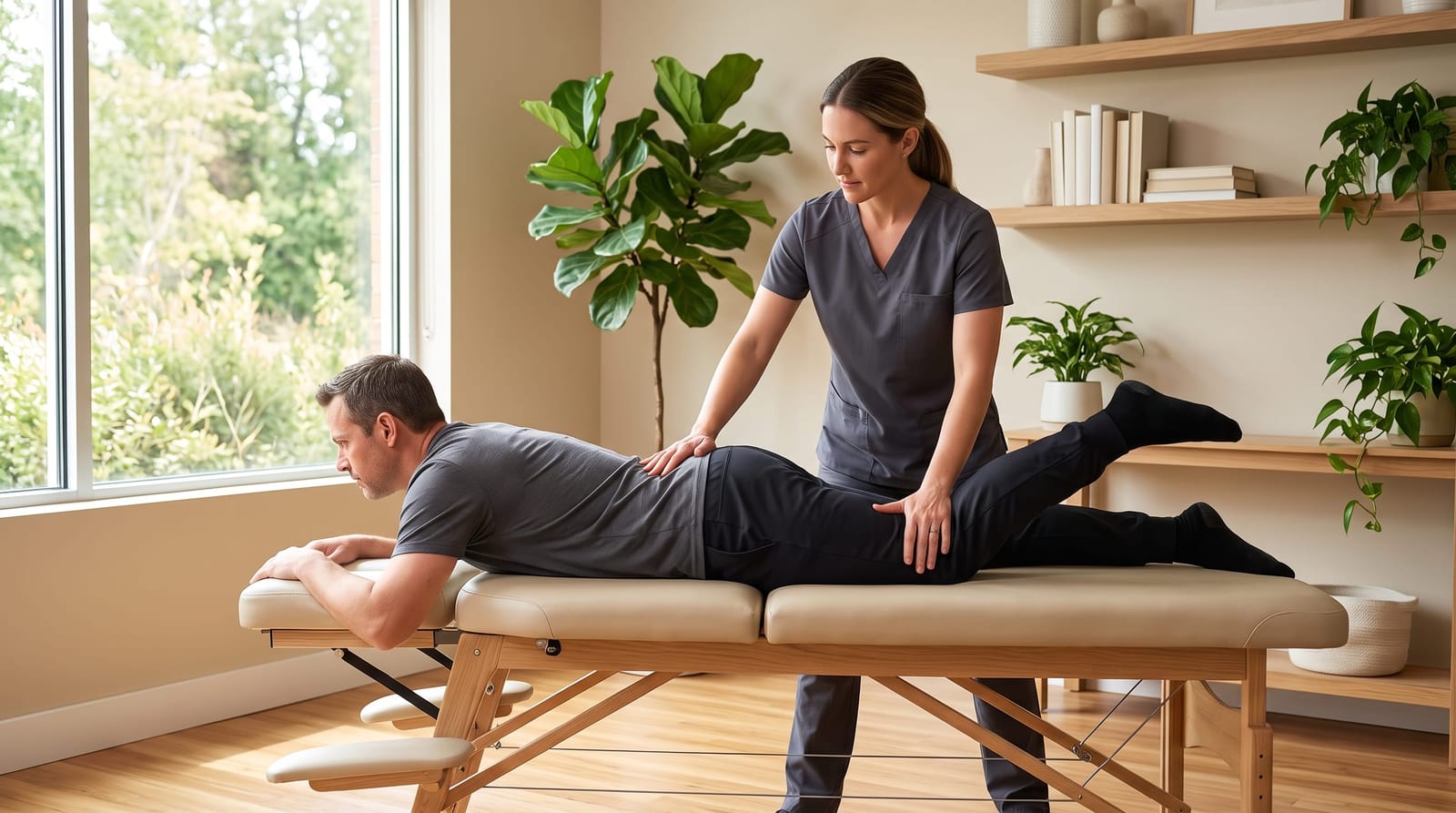
Chiropractic adjustments can be directed toward the specific spinal segments associated with nerve root involvement on the affected side. By addressing joint mobility and spinal alignment, manipulation aims to reduce mechanical stress on the surrounding nerve tissue. A personalized adjustment plan takes into account not just which side is symptomatic, but the specific movement limitations and postural patterns contributing to that person's presentation.
Complementary Approaches
Targeted stretching, soft tissue work, postural coaching, and movement rehabilitation are often incorporated alongside spinal care. These approaches can address contributing muscle tension, particularly in the piriformis, hip flexors, and lower back, that may be compressing the sciatic nerve on the affected side. If you'd like a broader overview of how symptoms are identified and organized, our sciatica symptoms checklist walks through the key patterns to be aware of.
When to Seek Evaluation Sooner Rather Than Later
Most cases of sciatica improve over time with appropriate care and self-management. However, certain symptoms alongside your one-sided pain suggest a more prompt evaluation is worthwhile.
Symptoms That Warrant Timely Attention
- Progressive weakness in the affected leg rather than just pain or tingling
- Loss of bladder or bowel control alongside back or leg pain
- Symptoms that began following a significant fall or injury
- Pain that is rapidly worsening rather than fluctuating
- Bilateral symptoms affecting both legs at the same time
These patterns don't mean something catastrophic is happening, but they do suggest a thorough evaluation should happen sooner. A qualified provider can assess whether your symptoms fit a straightforward sciatica presentation or whether additional investigation is appropriate.
For those in the earlier stages of understanding their symptoms, our post on sciatica symptoms checklist is a helpful starting point before your first appointment.
Self-Care Strategies While You Seek Support
While professional evaluation is an important step, there are gentle, low-risk approaches many people find helpful for managing day-to-day discomfort while they arrange care.
Movement and Position Adjustments
- Avoid prolonged sitting in positions that compress the affected hip: particularly crossing your legs on the symptomatic side.
- Try gentle lumbar rotation stretches lying on your back with knees bent, which may help reduce nerve tension in some positions.
- Walking at a comfortable pace can support circulation and movement without aggravating sensitive nerve tissue for many people.
- Alternate between sitting and standing throughout the day rather than staying in one position for extended periods.
Heat and Cold
Many people find that alternating ice and heat in the early stages of a flare-up provides some comfort. Ice may help reduce localized inflammation, while heat can ease surrounding muscle tension. Neither replaces professional evaluation, but both can be reasonable comfort measures while you arrange an appointment.
Conclusion
Left side vs right side sciatica isn't just a matter of which leg hurts. The location of your pain carries real clinical meaning: it points toward specific nerve roots, helps guide evaluation, and shapes the approach a care provider may take to support your recovery. Whether your symptoms are on the left or right, understanding what that location suggests puts you in a better position to seek the right care and ask informed questions. At Prodigy Chiro Care, our team is here to listen to your full symptom picture, assess what's contributing to your discomfort, and work with you toward better comfort and function. Reach out today to schedule a consultation and take that first step toward feeling more like yourself.