Can Sciatica Be Cured Permanently? What Research and 26 Years of Experience Tell Us
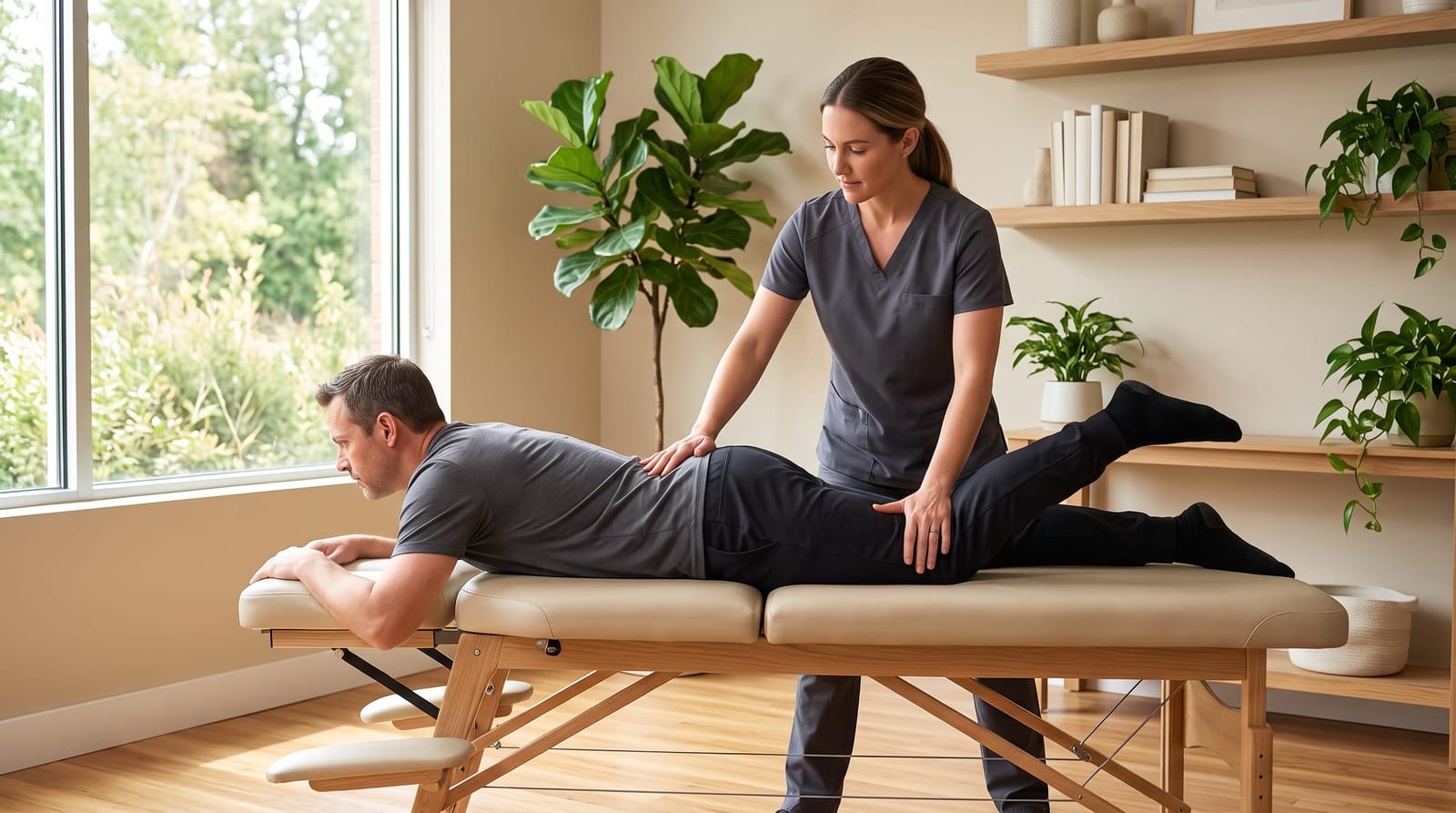
If you've been living with the sharp, radiating discomfort that travels from your lower back down through your leg, you've almost certainly asked this question: can sciatica be cured permanently? It's one of the most commonly searched questions among people dealing with sciatic nerve pain, and understandably so. When discomfort affects your ability to walk, sit, sleep, or simply enjoy your day, you want to know whether lasting relief is genuinely possible or whether you're signing up for a lifetime of management.
The honest answer is encouraging. Research and clinical experience both suggest that permanent or long-term relief from sciatica is achievable for many people: particularly when the underlying cause is identified and addressed, not just the symptoms. This post explores what the research shows, what factors influence recovery, and how approaches like spinal decompression and chiropractic care at Prodigy Chiro Care are designed to support lasting wellness rather than temporary fixes. For a broader understanding of sciatic nerve pain, our complete guide to sciatica symptoms is a great place to start.
---Understanding What "Permanent Relief" Actually Means
Before exploring whether sciatica can be cured permanently, it helps to define what that actually means. Sciatica is not a diagnosis in itself: it's a set of symptoms caused by irritation or compression of the sciatic nerve. That means the answer to whether it can be resolved permanently depends heavily on what's causing it in the first place.
Symptom Management vs. Addressing Root Causes
There's an important distinction between managing symptoms and resolving the underlying issue. Pain-relieving approaches, certain medications, ice, rest, can reduce discomfort in the short term. But if the source of the nerve irritation (such as a herniated disc, bone spur, or spinal misalignment) is still present, symptoms are likely to return.
Addressing the root cause means evaluating the structural and mechanical factors contributing to nerve compression. When those factors are successfully identified and supported, many people experience relief that lasts, not just for weeks, but for years or indefinitely.
Studies suggest that approximately 80-90% of people with sciatica improve without surgery when they receive appropriate conservative care. Some never experience a recurrence. That's not a guarantee for any individual, every case is unique, but it reflects a genuinely optimistic picture for most people seeking lasting relief.
Why Some Cases Resolve Fully and Others Recur
Several factors influence whether sciatica resolves fully or tends to recur, including:
- The specific cause and severity of nerve compression
- How long symptoms have been present before care begins
- A person's overall spinal health, posture, and core strength
- Lifestyle factors such as activity level, ergonomics, and movement habits
- Whether care addresses underlying structure or focuses solely on symptom relief
Understanding how long sciatica lasts can also help set realistic expectations: most acute episodes improve within 4-12 weeks with appropriate care, but chronic cases benefit from a more comprehensive approach.
---What the Research Says About Long-Term Sciatica Relief
Research into sciatica outcomes has grown substantially over the past two decades, and the findings offer genuine reason for optimism, especially for people pursuing conservative, non-surgical care.
Key Statistics Worth Knowing
Here are some research-backed data points that reflect what's possible with appropriate care:
- A study published in the Spine Journal found that 60% of patients with sciatica who had not improved with other treatments experienced significant relief after spinal manipulation.
- According to research reviewed by the American Chiropractic Association, up to 90% of sciatica cases resolve with conservative care, avoiding the need for surgery.
- A landmark study following sciatica patients over 12 months found that those who received chiropractic care reported greater improvement in disability and pain scores compared to those who received standard medical care alone.
- Spinal decompression therapy has demonstrated positive outcomes in multiple studies, with one trial showing 71% of participants achieving good-to-excellent results for disc-related sciatic pain following a course of non-surgical decompression.
- Long-term follow-up data (5+ years) from patients treated conservatively shows that the majority maintain their improvement when they continue supportive habits and periodic care.
These numbers don't promise any specific outcome for any one person, but they do reflect a meaningful trend: with the right approach, lasting relief from sciatica is far more common than many people expect.
---The Role of Spinal Decompression in Long-Term Relief
One of the most significant advances in non-surgical sciatica care over the past 20+ years has been non-surgical spinal decompression therapy. At Prodigy Chiro Care, spinal decompression is a cornerstone approach for patients whose sciatica stems from disc-related issues, and understanding why helps explain its role in lasting relief.
How Disc Problems Contribute to Sciatica
The sciatic nerve: the longest nerve in the body: originates in the lower spine and travels through the buttocks and down each leg. When a spinal disc bulges, herniates, or degenerates, it can press against the nerve roots that form the sciatic nerve, triggering the characteristic radiating discomfort, numbness, or tingling that many people recognize.
Approximately 85-90% of sciatica cases are caused by lumbar disc herniation or degenerative disc conditions. This matters because it points directly toward the type of care most likely to address the problem at its source.
What Spinal Decompression Does
Non-surgical spinal decompression uses gentle, computer-controlled traction to create negative pressure within the spinal disc. This can encourage a herniated or bulging disc to gradually retract, reduce pressure on affected nerve roots, and support improved circulation and hydration to the disc tissue itself.
The goal isn't simply to relieve pain in the moment: it's to support the structural conditions that allow nerve irritation to resolve. When combined with chiropractic adjustments and rehabilitative guidance, spinal decompression becomes part of a broader strategy aimed at addressing root causes rather than masking symptoms.
---How Chiropractic Care Supports Lasting Sciatic Nerve Relief
Chiropractic care has been used to support people with sciatica for decades, and its role in long-term wellness goes beyond what many people initially expect. The focus is on restoring proper spinal alignment and mobility: two factors that directly affect how much stress is placed on the sciatic nerve.
Spinal Alignment and Nerve Health
When spinal vertebrae are misaligned, a condition chiropractors refer to as a subluxation, they can contribute to abnormal pressure on surrounding discs, joints, and nerve tissue. Over time, these misalignments affect posture, movement patterns, and muscle balance in ways that compound the stress on the lower spine.
Chiropractic adjustments aim to restore proper joint mobility and alignment, which can reduce the mechanical irritation contributing to sciatic nerve compression. This is why many patients report not just relief from their current episode but a greater sense of overall spinal resilience going forward.
A Personalized, Multi-Faceted Approach
At Prodigy Chiro Care, care for sciatica is never one-size-fits-all. After a thorough assessment, recommendations may include a combination of:
- Chiropractic adjustments tailored to the individual's spinal findings
- Non-surgical spinal decompression for disc-related nerve compression
- Soft tissue therapy to address related muscle tension
- Postural guidance and movement recommendations to support recovery
- Wellness education to help patients maintain their progress long-term
This kind of integrated approach is what separates short-term symptom relief from the kind of lasting improvement that patients are truly looking for when they ask whether sciatica can be cured permanently.
---What You Can Do to Support Long-Term Recovery
Professional care is an important piece of the puzzle, but what patients do between appointments, and after their care plan concludes, plays a meaningful role in whether relief lasts.
Lifestyle Habits That Support Spinal Health
Research consistently shows that certain habits reduce the likelihood of sciatica recurrence. These aren't dramatic lifestyle overhauls: they're practical, sustainable changes that support the spine's ability to stay healthy and resilient:
- Consistent movement: Prolonged sitting is one of the most commonly cited contributors to disc stress. Regular, gentle movement throughout the day, even short walking breaks, helps maintain disc health and circulation.
- Core strength: The muscles surrounding the lumbar spine play a key role in absorbing mechanical stress. Building foundational core strength reduces the load on spinal structures over time.
- Ergonomic awareness: Workstation setup, sleeping position, and how you lift and carry objects all affect cumulative spinal stress. Small adjustments can have a meaningful long-term impact.
- Healthy body weight: Research suggests that excess weight, particularly around the midsection, increases lumbar disc pressure, which is directly linked to sciatic nerve irritation.
- Periodic wellness check-ins: Many patients find that periodic chiropractic check-ins, even after their primary symptoms have resolved, help them stay ahead of issues before they become significant.
If you're still in the process of identifying your symptoms, our sciatica symptoms checklist can help you better understand what you're experiencing before your first appointment.
---When Sciatica Becomes Chronic: What Changes
Most people associate sciatica with acute episodes: a sharp flare-up that arrives suddenly and, hopefully, resolves within a few weeks. But for some, sciatica becomes a chronic, persistent condition. Understanding the difference matters when thinking about long-term relief.
Chronic sciatica is generally defined as symptoms lasting longer than 12 weeks. It affects an estimated 10-15% of people who experience sciatica, and it often involves more complex factors, including scar tissue formation, chronic muscle guarding, and in some cases, ongoing structural issues that haven't been adequately addressed.
The good news: chronic sciatica is not a permanent sentence. With consistent, targeted care focused on both the structural and functional contributors to nerve irritation, many people with chronic sciatica experience meaningful, lasting improvement. The timeline is typically longer, and the approach more comprehensive, but lasting relief remains a realistic goal.
It's also worth knowing that sciatica can present differently on each side of the body, and the location of pain can sometimes offer clues about the underlying cause. Understanding left side vs. right side sciatica and what pain location tells you is a helpful part of the picture.
For a deeper look at non-surgical paths to lasting relief, explore our post on whether sciatica can be cured without surgery, which covers the evidence behind conservative care options in more detail.
---Conclusion: Lasting Relief Is Within Reach
So, can sciatica be cured permanently? For many people, the answer is yes, or at the very least, very long-term relief is achievable when care is focused on the underlying cause rather than just the symptoms. Research supports this, and 26 years of patient experience at Prodigy Chiro Care reflects it too: when the mechanics of the spine are properly assessed and supported, the sciatic nerve often gets the relief it needs to recover fully.
Whether you're navigating your first episode of sciatic pain or working through a recurring issue, the most important step is understanding what's driving your symptoms and choosing a care approach aligned with that cause. If you're ready to explore what lasting relief might look like for you, we invite you to connect with our team at Prodigy Chiro Care, where patient-centered, compassionate care has guided our approach from day one.