How to Sit With Sciatica: Best Positions to Relieve Nerve Pain
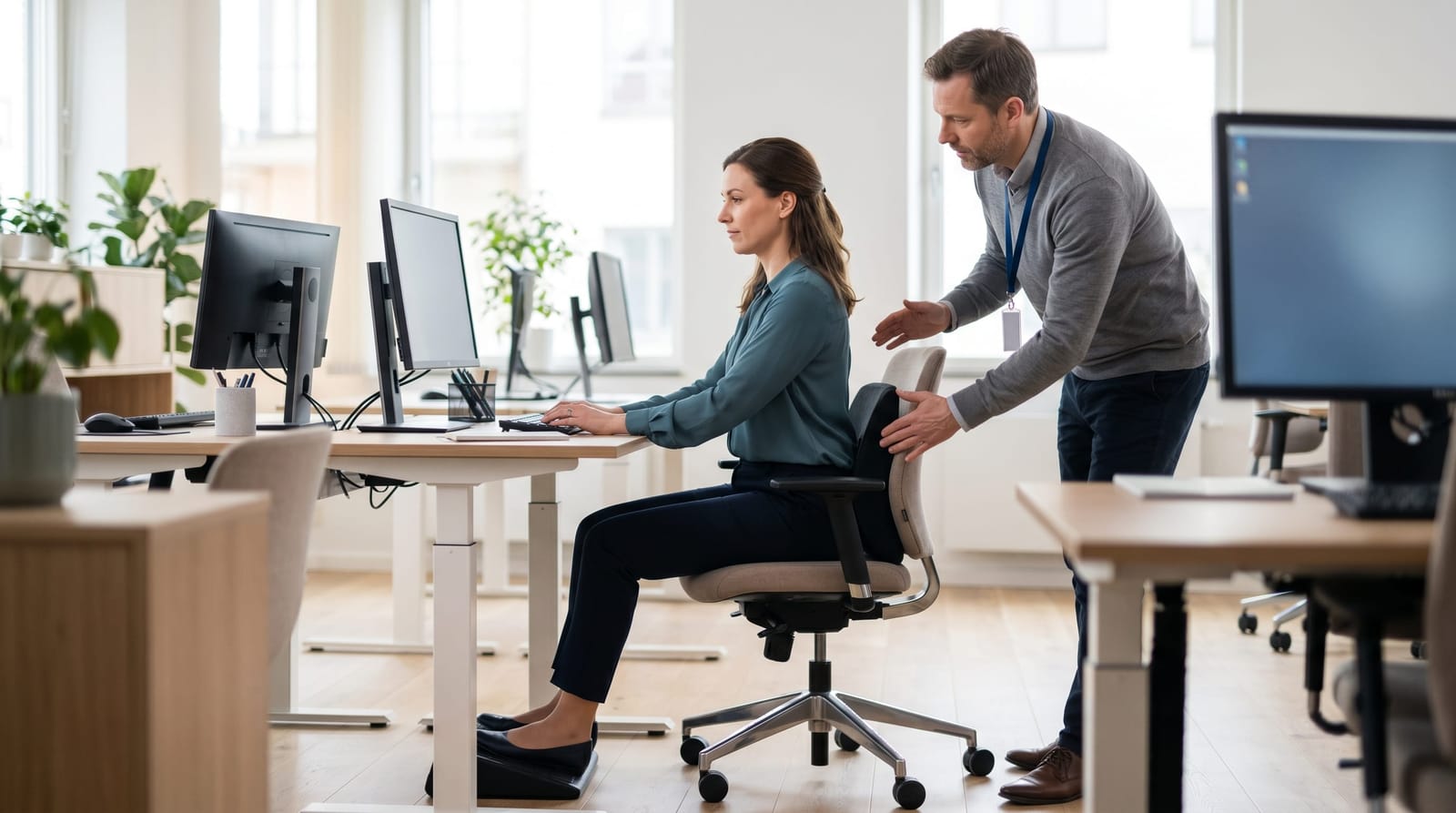
If you have sciatica, you've probably noticed that sitting can be one of the most uncomfortable parts of your day. Whether you're at a desk, in the car, or relaxing on the couch, the position of your body while sitting with sciatica makes a significant difference in how much discomfort you experience. This guide walks you through the best sitting positions, chair setups, and practical workspace adjustments that can help reduce sciatic nerve pressure during everyday activities, so you can get through your day with more comfort and less tension.
Why Sitting With Sciatica Is So Uncomfortable
Sitting is one of the most aggravating positions for people managing sciatica. When you sit, especially with poor posture or on an unsupportive surface, the pressure on your lumbar spine and the surrounding soft tissue increases significantly compared to standing or even lying down. This added compression can irritate or press on the sciatic nerve, which runs from your lower back through your hips and down each leg.
Prolonged sitting compounds the problem. The longer you remain seated without changing position, the more sustained pressure builds around the nerve. This is why many people find that their sciatica symptoms flare up after sitting through long meetings, long drives, or extended hours at a desk.
The good news is that how you sit matters just as much as how long you sit. Small, intentional adjustments to your posture and your environment can meaningfully reduce that nerve pressure and make sitting with sciatica far more manageable throughout the day.
The Best Sitting Positions for Sciatica Relief
Not all sitting positions are equal when it comes to sciatic nerve comfort. These are the most supportive ways to position your body when sitting with sciatica:
Sit Tall With Lumbar Support
The most protective position for your lower back is an upright, neutral spine. Sit with your feet flat on the floor, knees at approximately a 90-degree angle, and hips slightly higher than your knees if possible. Avoid rounding your lower back or slumping forward: both of these positions flatten the natural lumbar curve and increase pressure on the discs and nerves in your lower spine. A small lumbar roll or rolled-up towel placed at the curve of your lower back can help maintain this position without strain.
Avoid Crossing Your Legs
Crossing your legs while seated shifts your pelvis unevenly, which can tilt the spine and create tension along the sciatic nerve pathway. When sitting with sciatica, keep both feet planted evenly on the floor to maintain balanced alignment through your hips and pelvis.
Recline Slightly When Possible
Research suggests that a slight recline of around 100 to 110 degrees, rather than sitting fully upright at 90 degrees, can actually reduce spinal disc pressure. If your chair allows it, a gentle backward lean with proper lumbar support may feel more comfortable during longer sitting sessions.
Choosing the Right Chair for Sitting With Sciatica
Your chair plays a major role in how well your body is supported while sitting with sciatica. Here's what to look for:
- Adjustable seat height: Your chair should allow your feet to rest flat on the floor. If your chair is too high, use a footrest.
- Lumbar support: A chair with a built-in lumbar curve helps preserve the natural arch of your lower back and reduces disc compression.
- Firm but cushioned seat: Very soft or plush seats may feel comfortable initially but tend to let your pelvis sink unevenly, which can strain the sciatic nerve over time. A firmer, well-padded seat offers more consistent support.
- Seat depth: There should be about a two-to-three finger gap between the back of your knees and the edge of the seat. Seats that are too deep force you to round your lower back to reach the backrest.
If you're not ready to invest in a new ergonomic chair, simple additions like a lumbar cushion, seat wedge, or coccyx cutout cushion can make a noticeable difference in how your current chair supports you when sitting with sciatica.
Workspace Modifications That Help
If you spend several hours a day at a computer, adjusting your workspace setup is one of the most impactful things you can do for sitting with sciatica comfortably. Small changes in monitor height, desk setup, and keyboard placement can help your whole body align better and reduce the need to hunch, reach, or twist.
Monitor Placement
Position your monitor at eye level so you're not looking down or craning your neck upward. Screens placed too low cause you to round your upper back and neck, which transfers strain into the lower spine.
Keyboard and Mouse Position
Your keyboard and mouse should be close enough that your elbows stay near your sides, bent at roughly 90 degrees. Reaching forward repeatedly can pull your torso out of alignment and indirectly stress your lower back and hips.
Take Regular Movement Breaks
No sitting position, however well optimized, replaces the benefit of movement. When sitting with sciatica, aim to stand up, walk briefly, or do a gentle stretch every 30 to 45 minutes. Even a one-to-two-minute break to walk to the kitchen or gently extend your spine can relieve accumulated nerve pressure. Setting a timer can help you build this habit consistently.
For more strategies that complement good sitting habits, explore natural sciatica relief approaches that address the condition from multiple angles.
Posture Re-Education and Custom Orthotics: Supporting Your Alignment Beyond the Chair
While better sitting habits are a powerful starting point, long-term comfort with sciatica often requires addressing the deeper patterns that contribute to nerve irritation, including how your feet, pelvis, and spine align during all daily activities, not just when seated.
Postural re-education helps retrain the muscles and movement habits that may be placing uneven load on your lower back and sciatic nerve over time. Many people who struggle with sitting with sciatica discover that their challenges extend beyond the chair: compensatory patterns developed from years of habitual posture can create subtle but persistent pressure on the nerve.
Custom orthotics are another layer of support worth considering. Because your feet are the foundation of your entire body's alignment, even minor imbalances in foot positioning can ripple upward through your ankles, knees, hips, and into your lumbar spine. Custom-fitted orthotics can help correct these alignment issues, supporting better posture from the ground up and reducing the spinal strain that often aggravates the sciatic nerve.
At Prodigy Chiro Care, our team integrates postural assessments and custom orthotics as part of a comprehensive approach to managing sciatica, because lasting relief often comes from understanding how your whole body moves and supports itself, not just one isolated area.
Frequently Asked Questions About Sitting With Sciatica
Is it better to sit or stand with sciatica?
Both extremes can be problematic. Prolonged sitting increases pressure on the lumbar discs and sciatic nerve, while standing for too long can also fatigue the supporting muscles. The best approach is to alternate between sitting and standing regularly and avoid staying in any one position for extended periods. If you work at a desk, a sit-stand workstation can be a helpful investment.
What is the worst sitting position for sciatica?
Slumped or slouched sitting, where your lower back rounds and your hips tilt backward, is generally the most aggravating position for sciatica. This posture significantly increases disc pressure and can push irritated tissue closer to the sciatic nerve. Crossing your legs is also best avoided when sitting with sciatica, as it creates uneven pelvic tilt.
Can the right chair eliminate sciatica discomfort while sitting?
A well-designed ergonomic chair can meaningfully reduce discomfort and nerve pressure while sitting with sciatica, but it works best as part of a broader strategy that includes posture awareness, regular movement breaks, and addressing the underlying contributors to sciatic nerve irritation. A good chair supports your habits: it doesn't replace them.
How often should I get up when sitting with sciatica?
A general guideline is to change positions or take a brief movement break every 30 to 45 minutes. Even standing and walking for one to two minutes can help relieve the pressure that accumulates in the lumbar spine during sustained sitting. Gentle stretches, such as a standing hip flexor stretch or a brief walk, are especially helpful.
Small Adjustments, Meaningful Relief
Sitting with sciatica doesn't have to mean white-knuckling your way through the workday. By choosing supportive positions, optimizing your chair and workspace, and building in regular movement breaks, you can significantly reduce sciatic nerve irritation during one of the most common daily activities. These adjustments are practical, accessible, and can start helping from your very first day of applying them.
If you'd like to explore a more complete picture of managing sciatica, understanding your full range of relief options, from ergonomic habits to personalized chiropractic care, gives you the best foundation for lasting comfort. Our team at Prodigy Chiro Care is here to help you find an approach that fits your life and your body.