Getting Fitted for Custom Orthotics: Assessment and Fitting Process
Custom orthotics represent a significant investment in your foot health and overall well-being, but their effectiveness depends entirely on proper assessment and fitting. Unlike generic insoles, the custom orthotic fitting process involves multiple stages of evaluation, measurement, and adjustment to ensure your devices provide optimal support for your unique biomechanical needs. Understanding what to expect during this comprehensive process helps patients prepare for their appointments and achieve the best possible outcomes.
The custom orthotic fitting process typically spans 3-4 weeks from initial assessment to final fitting, with each step designed to capture precise measurements and address your specific postural or foot alignment issues. Whether you're dealing with chronic back pain from desk work or foot discomfort from prolonged standing, this detailed process ensures your orthotics will provide the personalized support your body requires.
Initial Assessment and Biomechanical Evaluation
Your custom orthotic fitting process begins with a comprehensive biomechanical assessment that examines how your feet function during movement and weight-bearing activities. This evaluation goes far beyond simply looking at your feet: it analyzes your entire kinetic chain from ankles to hips to identify alignment issues affecting your posture and comfort.
During the initial assessment, your practitioner will conduct several key evaluations:
- Gait analysis using video technology or pressure plates to observe walking patterns
- Static foot positioning assessment while standing and sitting
- Range of motion testing for ankles, subtalar joints, and midfoot mobility
- Muscle strength evaluation in feet, calves, and lower legs
- Postural analysis examining hip alignment, shoulder positioning, and spinal curves
- Review of current symptoms, pain patterns, and activity limitations
This comprehensive evaluation typically takes 45-60 minutes and provides crucial data for determining whether do I need custom orthotics and what type of correction your devices should provide. The practitioner will also examine your current footwear to ensure compatibility with your new orthotics and identify any shoes that might undermine their effectiveness.
Advanced Diagnostic Tools
Modern orthotic fitting practices utilize sophisticated diagnostic equipment to enhance assessment accuracy. Digital pressure mapping systems can identify areas of excessive pressure during standing and walking, while 3D postural analysis software tracks subtle alignment deviations that might not be visible to the naked eye. These technologies ensure the custom orthotic fitting process captures precise biomechanical data for optimal device design.
Foot Impression and Measurement Techniques
Creating accurate foot impressions represents the most critical phase of the custom orthotic fitting process, as even minor measurement errors can significantly impact the final product's effectiveness. Modern practices employ multiple impression techniques, each offering specific advantages for different foot types and conditions.
The three primary foot impression methods include:
- Plaster casting: Traditional method involving plaster bandages wrapped around feet in a corrected position, providing highly detailed impressions but requiring 15-20 minutes setting time
- Foam box impressions: Feet pressed into specialized foam that retains shape, offering quick 2-3 minute process but less detail for complex corrections
- 3D digital scanning: Laser or structured light technology capturing precise foot geometry in 30-60 seconds with accuracy within 0.1mm tolerances
Your practitioner selects the appropriate impression technique based on your specific needs and the complexity of corrections required. For instance, patients requiring significant biomechanical adjustments often benefit from plaster casting's superior detail, while those needing basic arch support may receive excellent results from digital scanning methods.
Impression Quality Control
Regardless of the impression method used, your practitioner will verify several critical measurements during the custom orthotic fitting process. Foot length measurements must be accurate within 2mm, arch height captured at the precise neutral position, and heel positioning recorded to ensure proper rearfoot control. Poor quality impressions account for approximately 23% of orthotic remake requests, making this phase crucial for first-time success.
The relationship between impression quality and final orthotic effectiveness explains why custom vs over counter orthotics outcomes differ so dramatically in clinical studies.
Design Specifications and Customization Options
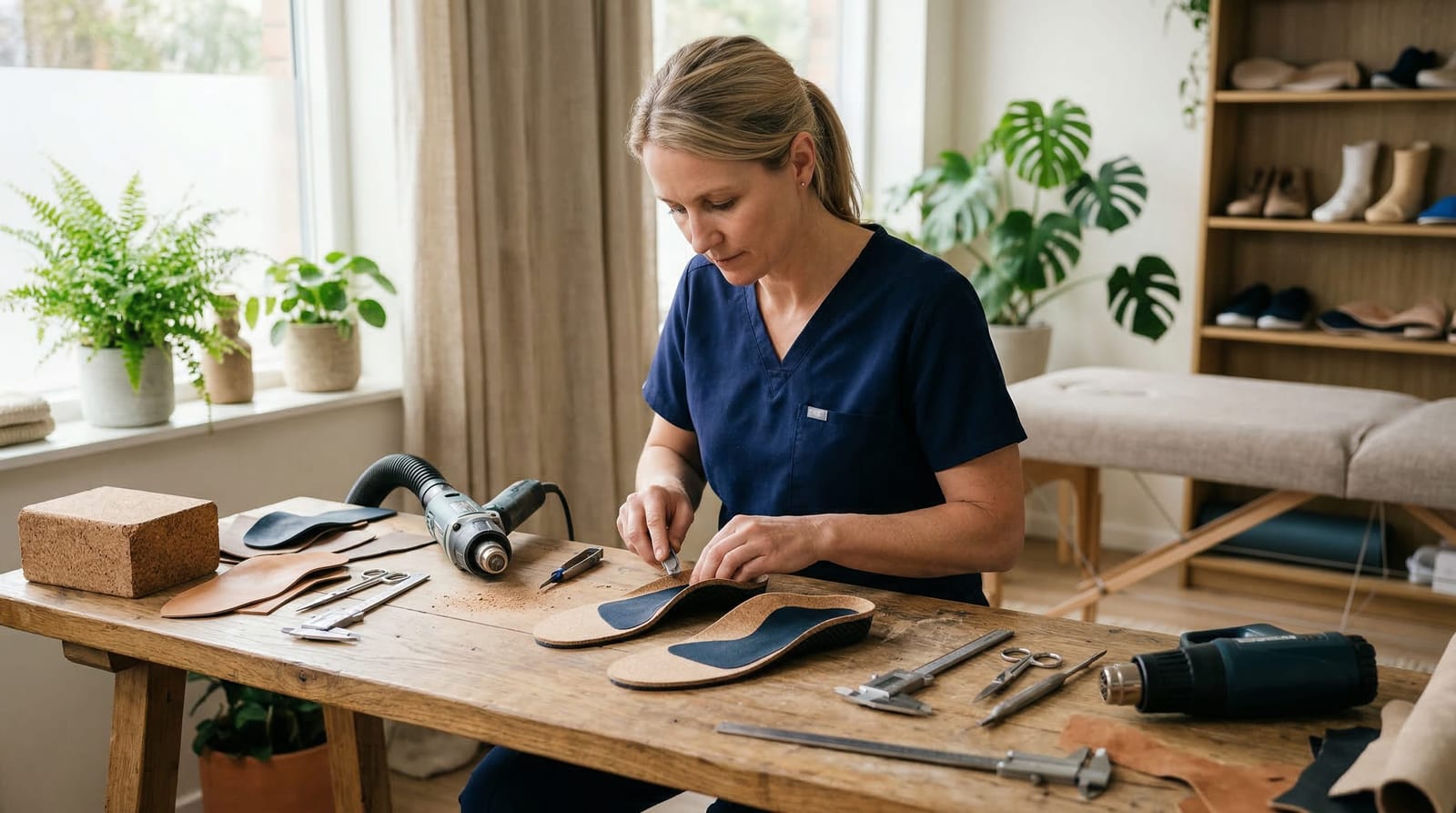
Following impression creation, your practitioner develops detailed design specifications that translate your biomechanical assessment into specific orthotic features. This design phase of the custom orthotic fitting process determines material selection, posting angles, arch support levels, and accommodation areas for pressure relief.
Key design considerations include:
- Material selection from rigid carbon fiber to flexible EVA foams based on activity requirements
- Rearfoot posting angles typically ranging from 2-8 degrees for motion control
- Arch support height and firmness calibrated to your foot flexibility and comfort tolerance
- Forefoot modifications addressing metatarsal pressure or toe alignment issues
- Top cover materials optimized for moisture management and durability
- Edge finishing and thickness specifications for seamless shoe integration
- Digital model creation from foot impressions using CAD software
- Positive mold production via 3D printing or traditional plaster techniques
- Material heating and forming over the positive mold at temperatures reaching 300-400°F
- Computer-controlled milling for precise thickness and edge specifications
- Quality control inspection verifying 12+ dimensional tolerances
- Top cover attachment and final finishing procedures
- Proper positioning within your shoes with no pressure points or sliding
- Comfortable contact across arch areas without excessive pressure
- Heel cup positioning providing secure rearfoot control
- Forefoot accommodation ensuring even pressure distribution
- Overall comfort during 5-10 minutes of walking and standing
- Shoe compatibility across your primary footwear options
- Symptom improvement tracking and pain level assessments
- Wear pattern analysis to identify potential fit issues
- Activity tolerance improvements and functional gains
- Minor comfort adjustments or material modifications
- Footwear recommendations for optimal orthotic performance
- Long-term care instructions and replacement timelines
This customization level distinguishes the professional custom orthotic fitting process from generic alternatives. Studies indicate that properly designed custom orthotics reduce plantar pressure by 15-25% more effectively than over-the-counter options, with 78% of patients reporting significant symptom improvement within 6-8 weeks of consistent wear.
Activity-Specific Modifications
Your lifestyle and activity requirements significantly influence orthotic design specifications. Office professionals spending 6-8 hours daily in dress shoes require different support characteristics than athletes engaging in high-impact sports. The custom orthotic fitting process accounts for these variables by incorporating activity-specific features like shock absorption for runners or dress shoe compatibility for business professionals.
Manufacturing and Quality Control Process
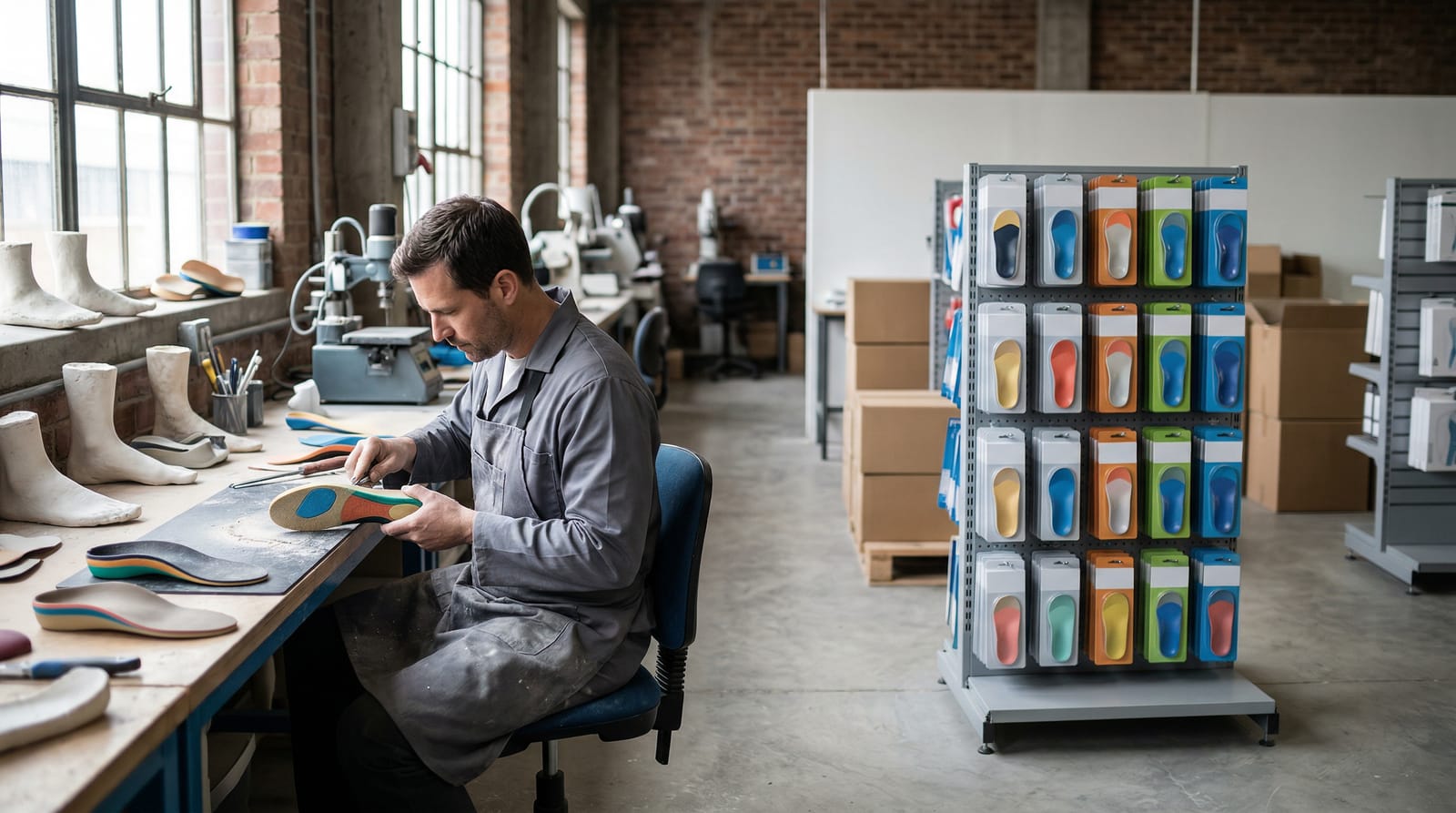
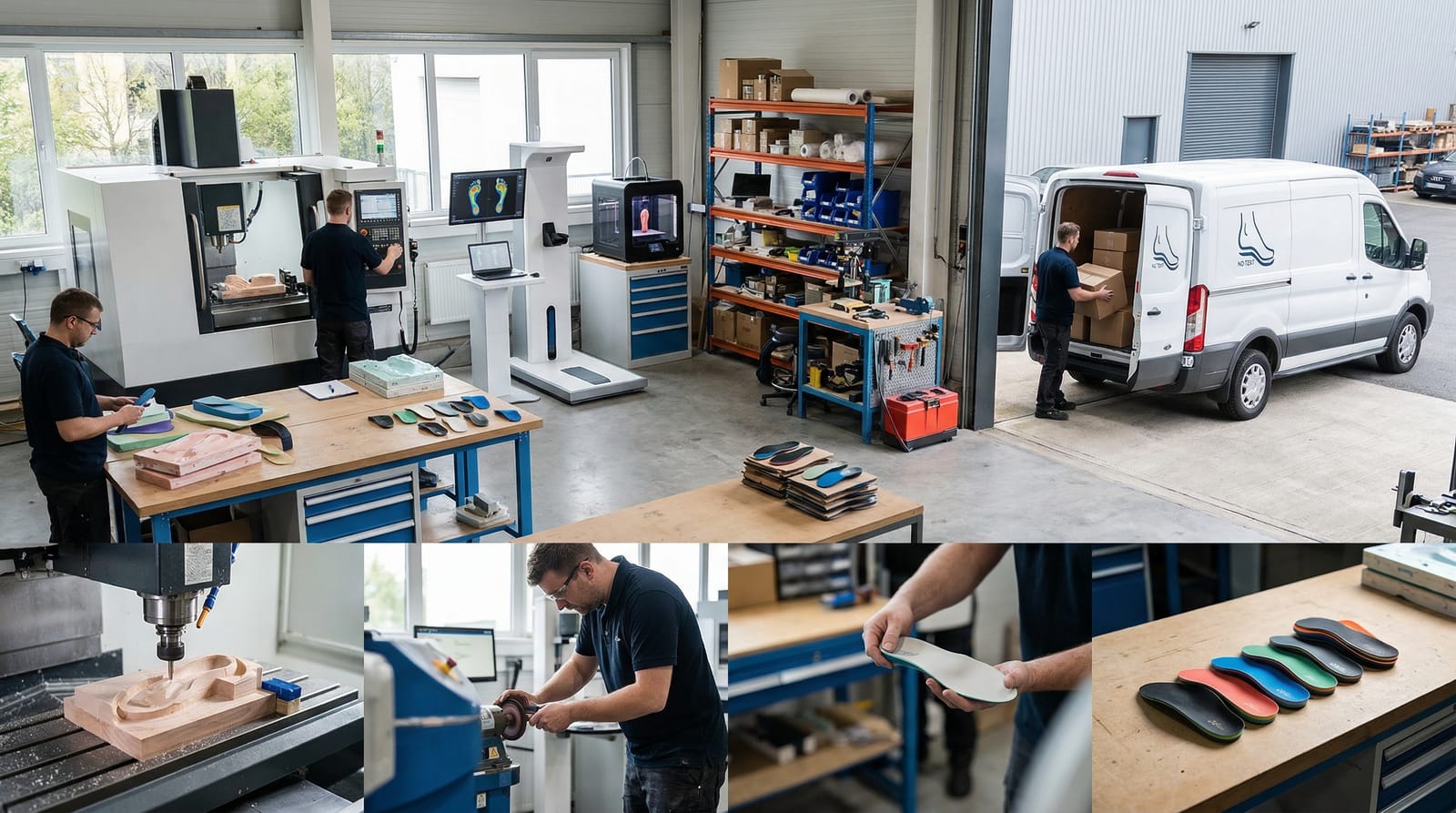
Once design specifications are finalized, your orthotics enter the manufacturing phase, which typically requires 7-14 business days depending on complexity and laboratory workload. Understanding this manufacturing timeline helps manage expectations during the custom orthotic fitting process and explains the superior quality compared to same-day alternatives.
The manufacturing process involves several precision steps:
Professional orthotic laboratories maintain strict quality standards, with dimensional tolerances typically within 1mm specifications and defect rates below 3%. This precision manufacturing process ensures your custom orthotics will provide consistent support and durability, often lasting 3-5 years with proper care.
The sophisticated manufacturing involved helps explain how are custom orthotics made and why the custom orthotic fitting process requires significantly more time than purchasing off-the-shelf alternatives.
Initial Fitting Appointment and Adjustments
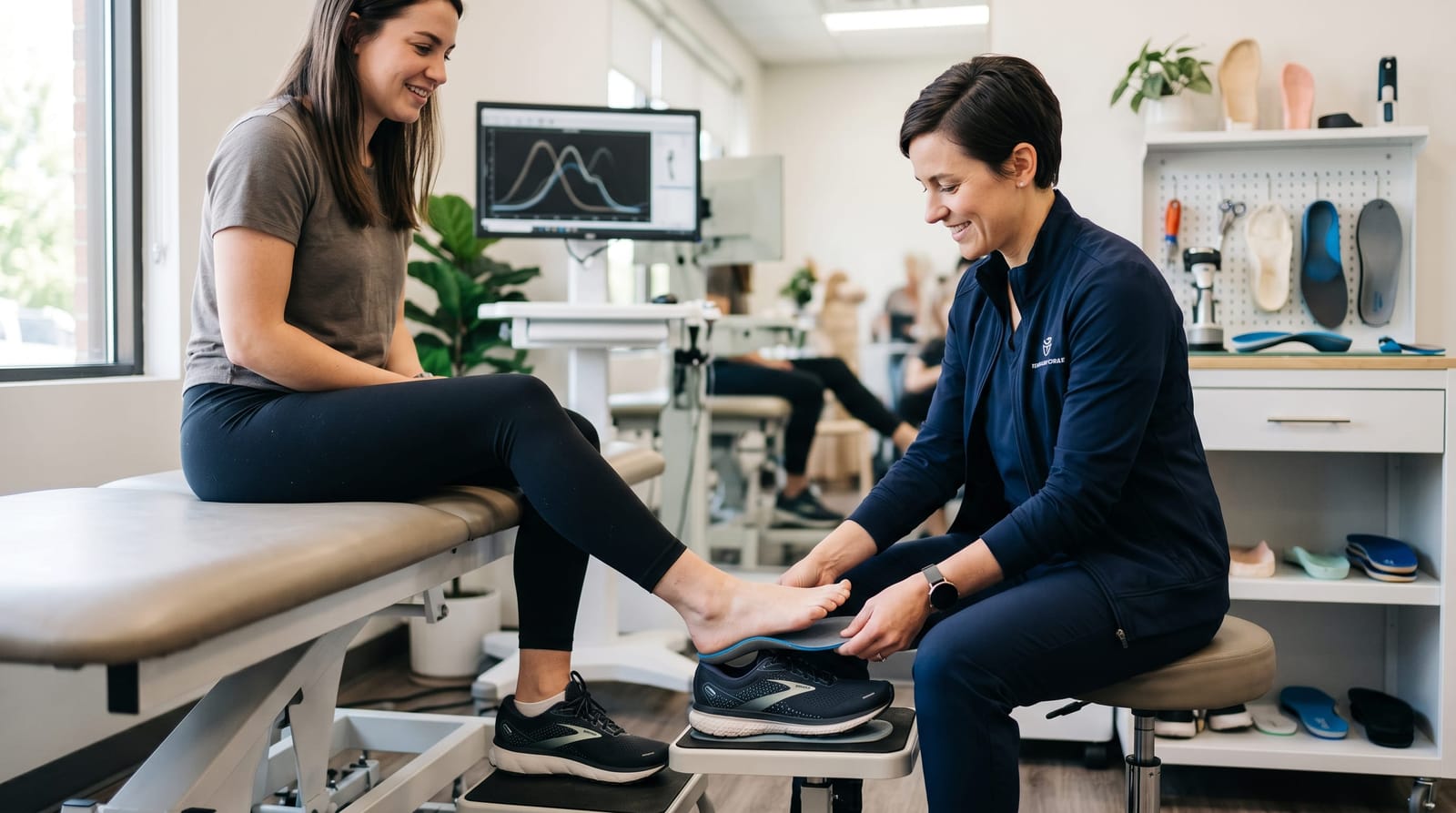
Your initial fitting appointment represents a crucial phase of the custom orthotic fitting process, where theoretical design meets practical application. This appointment typically lasts 30-45 minutes and focuses on ensuring proper fit, comfort, and immediate function of your new orthotics.
During the fitting appointment, your practitioner will evaluate several critical factors:
Approximately 15-20% of custom orthotics require minor adjustments during the initial fitting to optimize comfort and function. Common adjustments include reducing arch height, smoothing edge transitions, or adding padding to pressure-sensitive areas. These modifications are typically completed during your appointment or within 24-48 hours.
Break-in Protocol and Expectations
The custom orthotic fitting process includes establishing a proper break-in protocol to ensure successful adaptation. Most patients require 1-2 weeks of gradual wear increase, starting with 2-3 hours daily and adding 1-2 hours every few days until achieving full-day comfort. This gradual introduction allows your feet and postural muscles to adapt to the new support patterns without causing discomfort or fatigue.
Follow-up Care and Long-term Monitoring
Successful outcomes from the custom orthotic fitting process extend beyond the initial fitting through structured follow-up care and monitoring. Most practices schedule follow-up appointments at 2-4 weeks and 3-6 months to assess adaptation progress and make any necessary refinements.
Follow-up appointments typically address:
Research indicates that 85% of patients experience significant symptom improvement within 6-8 weeks of consistent orthotic wear, with maximum benefits typically achieved by 12-16 weeks. This timeline emphasizes the importance of patience and consistent use during the adaptation period following your custom orthotic fitting process.
The comprehensive approach to addressing various conditions demonstrates why custom orthotics for back pain and other postural issues require this thorough fitting process rather than simple over-the-counter solutions.
Maintenance and Replacement Guidelines
Proper long-term care ensures your investment in the custom orthotic fitting process provides maximum value and effectiveness. Custom orthotics typically last 3-5 years with proper care, though active individuals may require replacement every 2-3 years due to material compression and wear. Regular cleaning, appropriate storage, and avoiding extreme temperatures help maintain orthotic integrity and performance throughout their functional lifespan.
Conclusion
The custom orthotic fitting process represents a comprehensive journey from initial assessment through long-term follow-up care, designed to address your specific biomechanical needs and postural challenges. This multi-step approach ensures your orthotics provide optimal support, comfort, and therapeutic benefit for years of consistent use.
Understanding each phase of the custom orthotic fitting process helps you prepare for appointments, set realistic expectations, and maximize the benefits of your investment in personalized foot support. The time and precision involved in proper fitting directly correlate with the superior outcomes custom orthotics provide compared to generic alternatives.
If you're experiencing foot discomfort, postural issues, or chronic pain that may benefit from custom orthotic support, schedule a comprehensive biomechanical assessment with a qualified practitioner. The detailed custom orthotic fitting process ensures you receive devices specifically designed for your unique needs and lifestyle requirements.