Functional Capacity Evaluation: Objective Return-to-Work Assessment
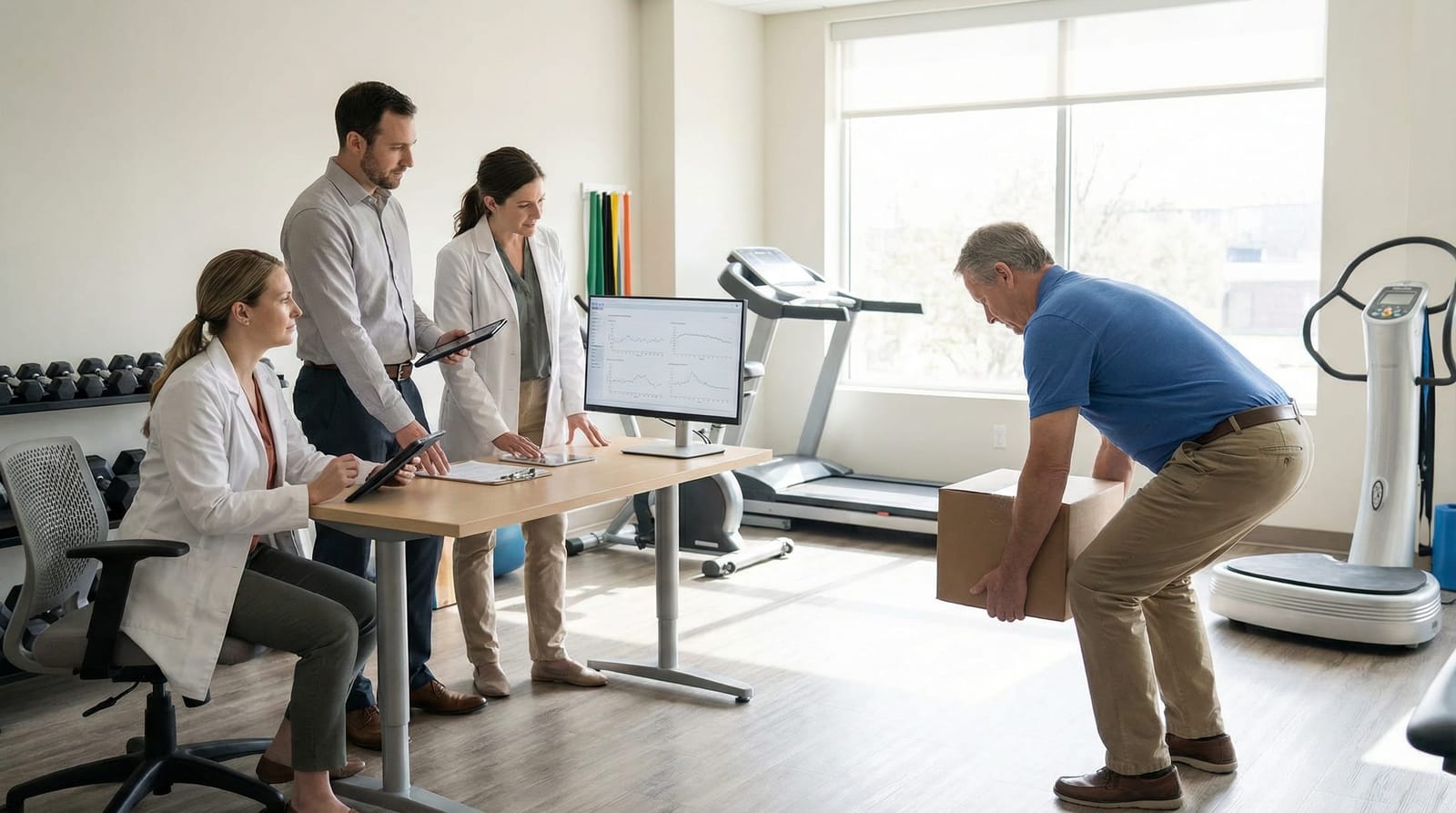
In the realm of work-related injuries, ensuring a safe return to work is paramount. A functional capacity evaluation (FCE) plays a critical role in assessing an individual's readiness to rejoin the workforce. Within the broader context of work injury treatment in Los Angeles, understanding the functional capacity evaluation process can facilitate a smoother transition back to work, offering both the employee and employer a comprehensive view of current capabilities and limitations.
What is a Functional Capacity Evaluation?
A functional capacity evaluation (FCE) is a series of comprehensive tests designed to evaluate an individual's physical capabilities in relation to their job's demands. It is an objective assessment that measures various physical functions such as strength, endurance, flexibility, and overall work tolerance. The primary goal of a functional capacity evaluation is to determine if a person can safely perform their job duties post-injury.
Typically performed by physical therapists or occupational therapists, functional capacity evaluations encompass tasks like lifting, carrying, and other job-specific activities. This detailed assessment helps in making informed decisions about job placement, necessary accommodations, and can also serve as legal evidence in worker's compensation cases.
At Prodigy Chiro Care & Spinal Decompression, we understand that each functional capacity evaluation must be tailored to the specific demands of an individual's occupation. Our experienced team of healthcare professionals utilizes evidence-based testing protocols to ensure accurate and reliable results that support both employee safety and employer confidence.
The Complete FCE Process: Step-by-Step Guide
The functional capacity evaluation process is methodical and comprehensive, ensuring that every aspect of an individual's physical capacity is evaluated thoroughly. Understanding each phase helps both employees and employers prepare for what to expect during this critical assessment.
Pre-Evaluation Preparation and Medical Review
Before the physical testing begins, an initial interview is conducted to gather comprehensive information about the individual's medical history, the nature of their injury, and their specific job requirements. This step ensures that the functional capacity evaluation is tailored to the individual's specific needs and occupational demands.
During this phase, the evaluator reviews medical records, treatment history, and any restrictions provided by treating physicians. This thorough review allows for customization of the functional capacity evaluation to address specific concerns and limitations while ensuring safety throughout the testing process.
Comprehensive Physical Assessment Phase
The core of the functional capacity evaluation involves a series of physical tasks designed to simulate work-related activities. These standardized tests assess the individual's ability to perform job functions like lifting, pushing, pulling, carrying, climbing, and prolonged standing or sitting. The evaluator monitors performance closely, noting any difficulties, pain responses, or limitations experienced during the tasks.
Modern functional capacity evaluation protocols include cardiovascular endurance testing, postural tolerance assessments, and fine motor skill evaluations. These comprehensive measurements provide a complete picture of an individual's work-related physical capabilities and help identify potential risk factors for re-injury.
Advanced Testing Components
Beyond basic strength and endurance measures, today's functional capacity evaluation includes sophisticated testing methods. Balance assessment, coordination testing, and cognitive-physical integration tasks are incorporated to evaluate complex work demands. These advanced components ensure that the functional capacity evaluation addresses the full spectrum of modern workplace requirements.
Data Analysis and Comprehensive Reporting
After the physical assessment, the data collected during the functional capacity evaluation is analyzed to determine the individual's physical strengths and limitations. A detailed report is generated, outlining the individual's ability to perform specific job tasks and any recommended modifications or accommodations needed for safe work performance.
Types of Functional Capacity Evaluations
Different situations require different approaches to functional capacity evaluation. Understanding these variations helps ensure the most appropriate assessment is selected for each individual case.
Job-Specific Functional Capacity Evaluation
This type of functional capacity evaluation focuses specifically on the physical demands of a particular job or position. Job-specific evaluations incorporate actual work tools, equipment, and environmental conditions to provide the most accurate assessment of work readiness.
General Functional Capacity Evaluation
A general functional capacity evaluation assesses overall physical capabilities without focusing on specific job requirements. This type is often used when considering various employment options or when job demands are not clearly defined.
Post-Offer Employment Testing
Some functional capacity evaluations are conducted as pre-employment screenings to ensure new hires can safely perform essential job functions. These assessments help prevent workplace injuries and reduce liability for employers.
Benefits of FCE for Return-to-Work Clearance
A functional capacity evaluation is invaluable for both employees and employers when considering a return-to-work plan. Research shows that properly conducted functional capacity evaluations can reduce re-injury rates by up to 85% and significantly improve successful return-to-work outcomes.
- Objective Data: Functional capacity evaluations provide objective, quantifiable data regarding an individual's physical capabilities, reducing the risk of subjective bias and ensuring fair assessment.
- Enhanced Safety: By ensuring that an individual is physically capable of performing their job duties, functional capacity evaluations help prevent re-injury and promote a safer work environment for all employees.
- Informed Decision-Making: Employers can make informed decisions about job placement, accommodations, and necessary changes to work duties based on the functional capacity evaluation results.
- Legal Documentation: The comprehensive report generated from a functional capacity evaluation can serve as crucial documentation in worker's compensation and disability claims.
- Cost Savings: Studies indicate that proper functional capacity evaluation implementation can reduce workers' compensation costs by 30-40% through prevention of re-injuries and appropriate job matching.
- Employee Confidence: Workers gain confidence in their abilities and limitations, leading to better job performance and reduced anxiety about returning to work.
Key Components Measured in Functional Capacity Evaluation
A comprehensive functional capacity evaluation assesses multiple physical domains to provide a complete picture of work capabilities. Understanding these components helps stakeholders appreciate the thoroughness of the evaluation process.
Strength and Power Assessment
Functional capacity evaluation testing measures both static and dynamic strength across various muscle groups. This includes grip strength, lifting capacity at different heights, pushing and pulling forces, and sustained strength endurance. These measurements directly correlate to specific job demands and help determine safe working limits.
Cardiovascular and Endurance Testing
Work tolerance and cardiovascular fitness are critical components of any functional capacity evaluation. Testing includes sustained activity tolerance, heart rate response to physical demands, and recovery patterns. This information is essential for jobs requiring prolonged physical activity or demanding work environments.
Flexibility and Range of Motion
Joint mobility and flexibility assessments within the functional capacity evaluation help identify limitations that might affect job performance. These measurements are particularly important for positions requiring reaching, bending, or working in confined spaces.
Industries That Commonly Require Functional Capacity Evaluation
Certain industries have higher rates of work-related injuries and therefore rely heavily on functional capacity evaluation for safe return-to-work decisions. Understanding these applications helps illustrate the broad utility of proper assessment.
Construction and Manual Labor
Construction workers face significant physical demands and injury risks. Functional capacity evaluation in this sector focuses on heavy lifting, prolonged standing, working at heights, and tool operation. Prodigy Chiro Care & Spinal Decompression has extensive experience conducting specialized evaluations for construction professionals.
Healthcare and Patient Care
Healthcare workers frequently experience back injuries and repetitive strain injuries. Functional capacity evaluation for healthcare professionals emphasizes patient lifting, prolonged standing, and repetitive motion tolerance. These assessments are crucial for maintaining both worker safety and quality patient care.
Manufacturing and Industrial Work
Manufacturing environments require specific physical capabilities for safe operation of machinery and equipment. Functional capacity evaluation in industrial settings evaluates fine motor control, sustained attention, and the ability to work in various environmental conditions.
Ensuring Safe Job Performance Post-Injury
Ensuring safe job performance after an injury is a shared responsibility between the employee and employer. Effective implementation of functional capacity evaluation recommendations requires ongoing commitment from all stakeholders.
Implementing Job Modifications Based on FCE Results
Based on the functional capacity evaluation results, employers might need to provide modifications or accommodations, such as ergonomic workstations, modified work schedules, or assistive devices. These changes should align with the employee's current capabilities while maintaining productivity standards.
Successful job modifications often include graduated return-to-work programs, where employees gradually increase their work hours and responsibilities. This approach allows for ongoing assessment and adjustment based on the worker's progress and any changes in their functional capacity.
Regular Follow-up Evaluations and Monitoring
Continuous monitoring and regular follow-up evaluations can help track progress and make necessary adjustments to the work environment or duties. Follow-up functional capacity evaluations may be recommended at specific intervals to ensure ongoing safety and productivity.
At Prodigy Chiro Care & Spinal Decompression, we recommend structured follow-up protocols that include both formal reassessment and informal check-ins. This comprehensive approach ensures that any changes in functional capacity are identified early and addressed appropriately.
Common Challenges and Solutions in FCE Implementation
While functional capacity evaluation is highly effective, certain challenges can arise during implementation. Understanding these potential obstacles and their solutions helps ensure successful outcomes.
Employee Anxiety and Fear of Testing
Many individuals feel anxious about functional capacity evaluation, fearing they might fail or re-injure themselves. Clear communication about the testing process, safety measures, and the evaluator's expertise helps reduce anxiety. The team at Prodigy Chiro Care & Spinal Decompression prioritizes patient education and comfort throughout the functional capacity evaluation process.
Inconsistent Effort During Testing
Some individuals may not give maximum effort during functional capacity evaluation due to fear, secondary gain issues, or misunderstanding of instructions. Experienced evaluators use validated methods to assess effort consistency and ensure reliable results.
Employer Resistance to Accommodations
Occasionally, employers may resist implementing recommended accommodations based on functional capacity evaluation results. Education about the legal requirements, cost-benefit analysis of accommodations, and the risks of non-compliance help address this resistance.
The Role of Technology in Modern FCE
Advances in technology have significantly enhanced the accuracy and comprehensiveness of functional capacity evaluation. Modern assessment tools provide more precise measurements and better documentation of results.
Computerized Assessment Systems
Digital platforms now support functional capacity evaluation by providing standardized protocols, real-time data collection, and comprehensive reporting capabilities. These systems ensure consistency across evaluators and facilities while improving the quality of documentation.
Biomechanical Analysis Tools
Advanced biomechanical analysis systems can assess movement patterns, identify risk factors for injury, and provide detailed recommendations for ergonomic improvements. These tools enhance the traditional functional capacity evaluation by providing objective data about movement quality and efficiency.
Legal and Regulatory Considerations
Functional capacity evaluation must comply with various legal and regulatory requirements to ensure validity and enforceability of results. Understanding these considerations is crucial for all stakeholders.
ADA Compliance
The Americans with Disabilities Act (ADA) requires that functional capacity evaluations focus only on essential job functions and that reasonable accommodations be provided when necessary. Evaluators must ensure their assessments comply with these requirements.
Workers' Compensation Regulations
Each state has specific regulations regarding functional capacity evaluation in workers' compensation cases. These regulations govern who can perform evaluations, what protocols must be followed, and how results can be used in legal proceedings.
FAQs About Functional Capacity Evaluation
What happens if I fail a functional capacity evaluation?
Failing a functional capacity evaluation simply means that your physical capabilities do not currently align with your job requirements. Your healthcare provider may recommend additional rehabilitation, alternative work duties, or permanent accommodations. This result doesn't reflect personal failure but rather provides important safety information.
How long does a functional capacity evaluation take?
A comprehensive functional capacity evaluation typically takes 4-8 hours to complete, often spread over one or two days. The duration depends on the complexity of job demands, the individual's condition, and the specific protocols used. Some specialized evaluations may require additional time.
Can I retake a functional capacity evaluation?
Yes, you can retake a functional capacity evaluation if your physical condition changes significantly or if additional medical treatment improves your capabilities. Many individuals undergo multiple evaluations as they progress through rehabilitation and recovery.
Is a functional capacity evaluation painful?
A properly conducted functional capacity evaluation should not cause significant pain or injury. Evaluators are trained to monitor for signs of distress and will stop testing if safety concerns arise. Some mild discomfort may occur as you reach your physical limits, but this is normal and expected.
Who pays for a functional capacity evaluation?
Payment for functional capacity evaluation typically comes from workers' compensation insurance, disability insurance, or sometimes directly from employers. In some cases, individuals may pay out-of-pocket if seeking evaluation for personal reasons.
How accurate are functional capacity evaluation results?
When performed by qualified professionals using validated protocols, functional capacity evaluations have high reliability and validity. Studies show that properly conducted evaluations can predict work capacity and injury risk with 85-90% accuracy.
Choosing the Right Provider for Your FCE
Selecting an experienced and qualified provider for functional capacity evaluation is crucial for obtaining accurate, reliable results that will support appropriate return-to-work decisions.
Qualifications to Look For
Choose providers who have specific training in functional capacity evaluation, relevant certifications, and experience with your type of injury or occupation. The evaluator should be familiar with current testing protocols and legal requirements in your jurisdiction.
Why Choose Prodigy Chiro Care & Spinal Decompression
At Prodigy Chiro Care & Spinal Decompression, our team brings years of experience in conducting thorough, accurate functional capacity evaluations. We utilize the latest assessment technologies and evidence-based protocols to ensure reliable results that support both worker safety and successful return-to-work outcomes. Our comprehensive approach includes detailed job analysis, individualized testing protocols, and ongoing support throughout the return-to-work process.
Conclusion
A functional capacity evaluation is a vital tool in the work injury treatment process, offering a clear and objective assessment of an individual's readiness to return to work safely. By identifying physical capabilities and limitations through comprehensive testing, functional capacity evaluations aid in developing effective return-to-work plans that prioritize both safety and productivity.
The investment in a quality functional capacity evaluation pays dividends in reduced re-injury rates, improved worker confidence, and better long-term outcomes for all stakeholders. Whether you're an injured worker seeking to return to your job, an employer developing return-to-work policies, or a healthcare provider coordinating care, understanding the functional capacity evaluation process is essential for making informed decisions.
At Prodigy Chiro Care & Spinal Decompression, we're committed to providing comprehensive functional capacity evaluation services that support successful return-to-work outcomes while prioritizing worker safety and employer confidence. For more insights on advanced recovery strategies and comprehensive work injury treatment, explore our full range of services designed to help individuals achieve their maximum functional potential and return to productive work safely.