Common Work Injuries: Recognition and Immediate Treatment

In Los Angeles's fast-paced business environment, workplace injuries can derail careers and impact high-earning professionals' productivity. While comprehensive work injury treatment in Los Angeles options exist, recognizing common work injuries treatment needs early can reduce recovery time by up to 60%. According to the Bureau of Labor Statistics, over 2.8 million workplace injuries occur annually, with repetitive strain injuries representing 38% of all cases. Understanding common work injuries treatment approaches, from immediate care protocols to advanced therapeutic interventions, empowers professionals to seek appropriate care quickly. This comprehensive guide examines recognition, immediate response, and common work injuries treatment strategies that help Los Angeles professionals return to peak performance efficiently.
Most Frequent Workplace Injuries Requiring Professional Treatment
Professional workplaces present unique injury risks that often develop gradually or result from acute incidents. The Occupational Safety and Health Administration reports that musculoskeletal disorders account for 33% of all workplace injuries. Understanding these common patterns helps employees and employers implement effective common work injuries treatment strategies.
Repetitive Strain Injuries (RSIs)
RSIs dominate workplace injury statistics, particularly in technology and office environments. These conditions develop when repetitive motions create cumulative tissue damage. Early common work injuries treatment for RSIs focuses on immediate intervention to prevent permanent damage.
- Carpal Tunnel Syndrome: Affects 3% of adults, causing median nerve compression with numbness and weakness
- Tendinitis: Inflammation of tendons in wrists, elbows, or shoulders from repetitive keyboard use
- Tennis Elbow: Lateral epicondylitis affecting 1-3% of the population from repetitive gripping motions
- Trigger Finger: Inflammation causing fingers to lock, requiring specialized common work injuries treatment
- De Quervain's Tenosynovitis: Thumb and wrist pain from repetitive pinching motions
- Cervical Radiculopathy: Nerve compression in the neck causing arm pain and weakness
Spinal Injuries
Back and neck injuries represent another significant category requiring common work injuries treatment. Research shows that 80% of adults experience back pain during their careers. Poor ergonomics and prolonged sitting contribute to these conditions.
- Lower Back Strain: Muscle or ligament damage affecting 31% of workplace injuries annually
- Cervical Strain: Neck muscle tension from computer work and poor posture habits
- Herniated Discs: Disc displacement causing nerve compression and requiring immediate treatment
- Sciatica: Nerve compression affecting 40% of people at some point in their lives
- Thoracic Outlet Syndrome: Compression of nerves and blood vessels between neck and shoulder
- Facet Joint Dysfunction: Spinal joint irritation causing localized back pain
Early Recognition: Key Warning Signs and Symptoms
Successful common work injuries treatment begins with early recognition of developing problems. Studies demonstrate that early intervention reduces treatment time by 40% compared to delayed care. Many workplace injuries start subtly, making early detection crucial for preventing chronic conditions.
Physical Warning Signs
Professional workers should monitor for these early indicators requiring common work injuries treatment assessment:
- Persistent discomfort: Aching or stiffness lasting more than 2-3 days without improvement
- Recurring pain patterns: Discomfort appearing consistently during specific work activities
- Decreased range of motion: Stiffness or 25% reduction in normal movement patterns
- Numbness or tingling: Neurological symptoms indicating nerve compression requiring treatment
- Weakness: 20% or greater reduction in strength, particularly grip strength
- Swelling or inflammation: Visible tissue changes indicating ongoing injury processes
- Sleep disruption: Pain interrupting sleep patterns for three consecutive nights
- Morning stiffness: Joint stiffness lasting more than 30 minutes after waking
Functional Limitations
Beyond physical symptoms, workplace injuries often manifest as functional limitations impacting job performance. Recognition of these changes enables prompt common work injuries treatment and prevents progression to chronic conditions.
Decreased typing speed below normal rates indicates developing issues. Difficulty maintaining concentration due to discomfort affects productivity. Reluctance to perform certain movements suggests pain avoidance patterns. These functional changes often precede severe symptoms, making them valuable early warning indicators for common work injuries treatment needs.
Research shows that employees who receive common work injuries treatment within 72 hours of symptom onset have 90% better outcomes than those who delay care. At Prodigy Chiro Care & Spinal Decompression, we emphasize the importance of immediate assessment when warning signs appear.
Immediate Treatment Protocols for Common Workplace Injuries
Effective immediate treatment significantly influences recovery outcomes. Studies indicate that proper first-aid reduces recovery time by 35%. Understanding appropriate initial common work injuries treatment empowers workers to respond correctly to injury incidents.
RICE Protocol Implementation
The RICE protocol remains the gold standard for acute injury management. This forms the foundation of immediate common work injuries treatment protocols:
- Rest: Immediately cease activities that caused or aggravate the injury for 24-48 hours
- Ice: Apply cold therapy for 15-20 minutes every 2-3 hours during first 48 hours
- Compression: Use elastic bandages to reduce swelling while maintaining proper circulation
- Elevation: Raise injured extremities above heart level when possible to minimize swelling
Pain and Inflammation Management
Controlling initial pain and inflammation prevents secondary complications and promotes natural healing. Over-the-counter anti-inflammatory medications provide relief while professional common work injuries treatment is arranged. However, medication should complement, not replace, proper injury assessment.
Heat therapy becomes beneficial after the initial inflammatory phase, typically 48-72 hours post-injury. Alternating heat and cold therapy promotes circulation and reduces muscle tension. This approach supports the body's natural healing process while preparing tissues for professional common work injuries treatment interventions.
Activity Modification Strategies
Immediate activity modification prevents further injury while supporting healing. This includes adjusting workstation ergonomics and modifying task performance. Proper positioning reduces stress on injured tissues during the acute phase.
Gentle range of motion exercises maintain mobility without aggravating injuries. These movements should remain pain-free and support the transition to professional common work injuries treatment. Early mobilization, when appropriate, prevents stiffness and promotes faster recovery.
Professional Treatment Approaches and Advanced Care Options
While immediate care provides crucial initial management, professional common work injuries treatment addresses underlying causes and prevents recurrence. Los Angeles offers numerous specialized treatment options, with chiropractic care providing particularly effective solutions for musculoskeletal conditions.
Chiropractic Treatment Benefits
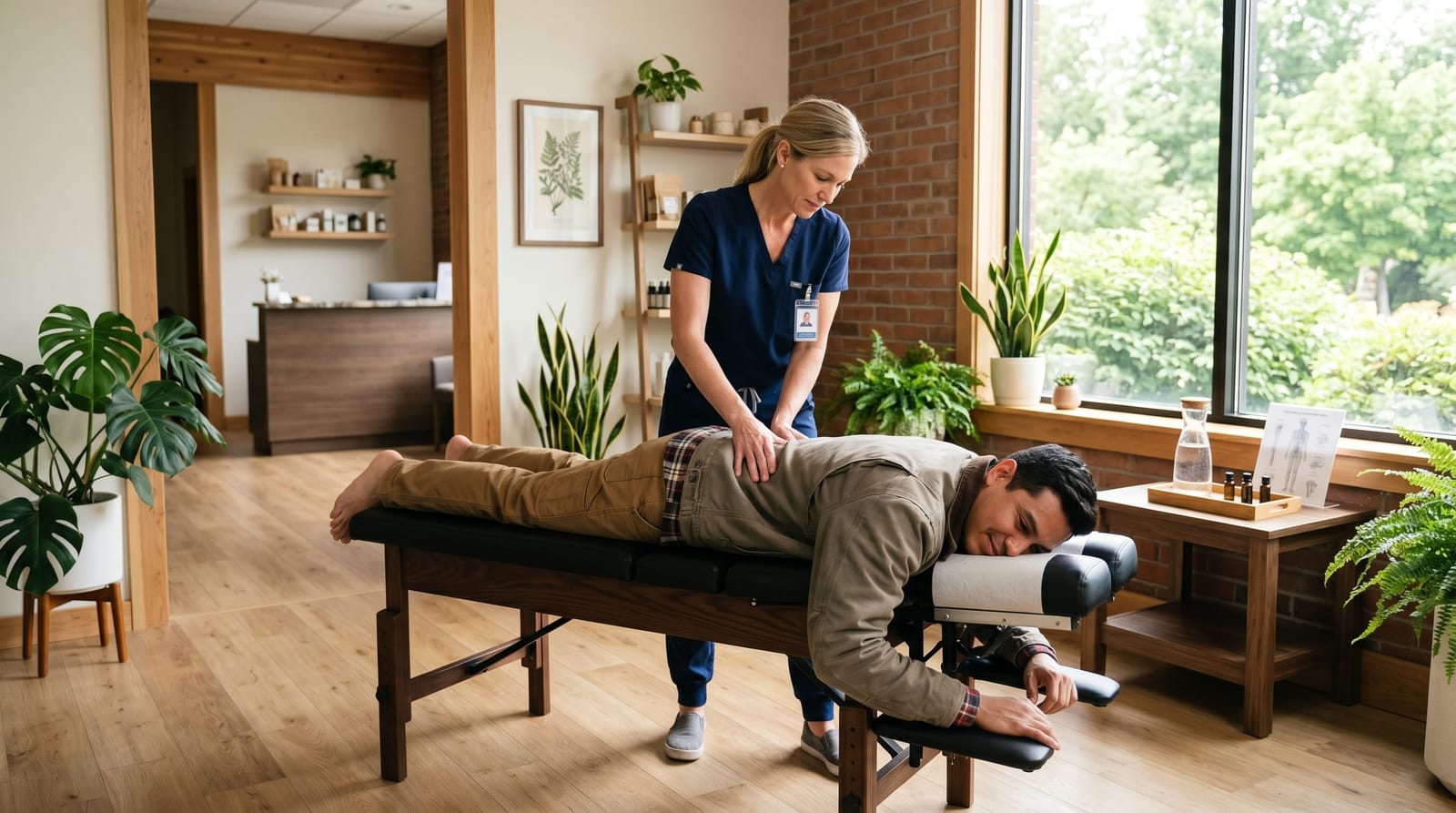
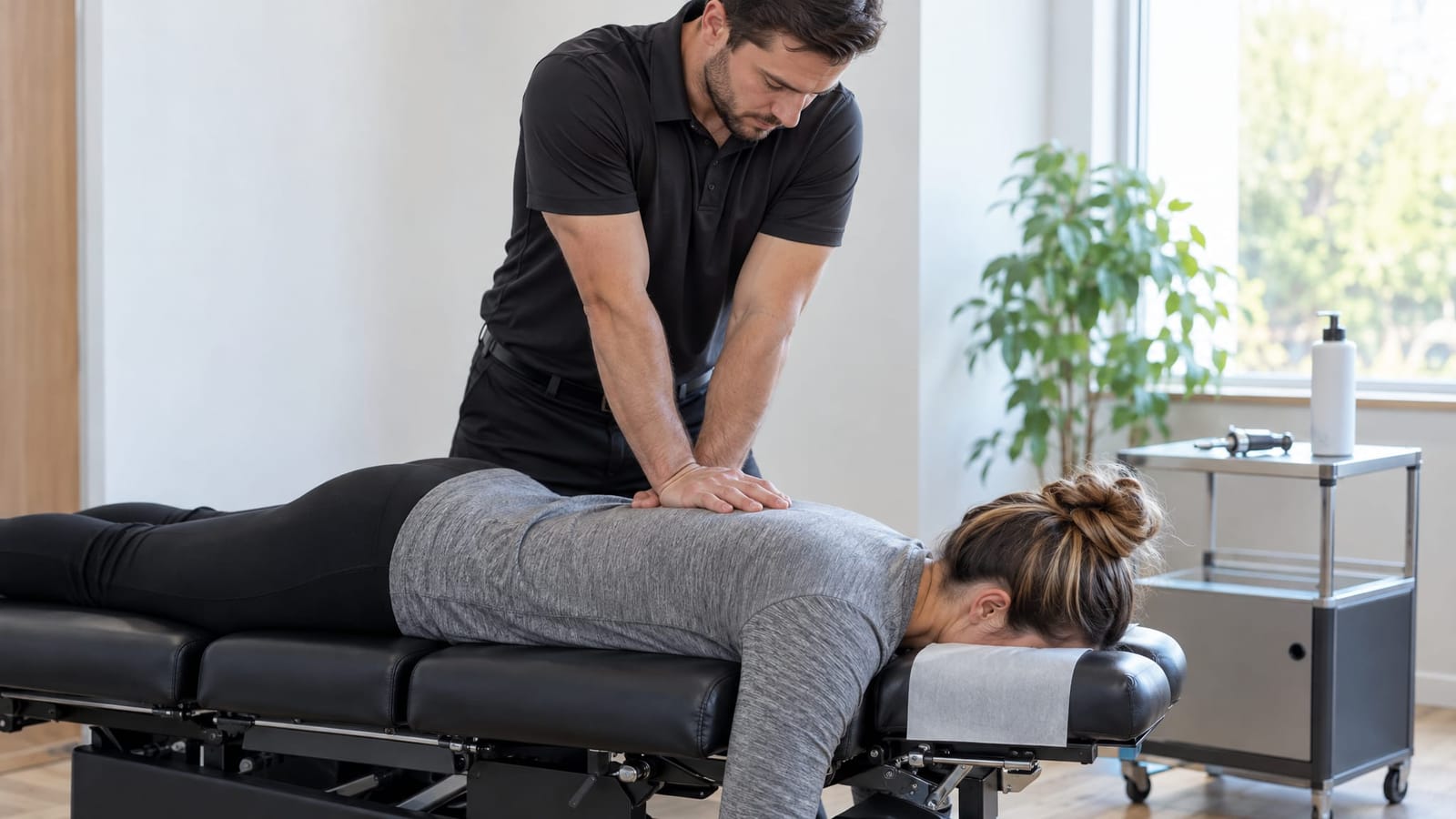
Chiropractic care addresses many common workplace injuries through targeted spinal adjustments and soft tissue therapy. Research demonstrates that chiropractic common work injuries treatment reduces pain by 75% within four weeks for most musculoskeletal conditions. This approach treats both symptoms and underlying biomechanical dysfunction.
Advanced chiropractic techniques include instrument-assisted soft tissue mobilization and specific exercise prescription. Workplace ergonomic assessment forms an integral part of comprehensive care. These evidence-based approaches address root causes rather than simply managing symptoms.
At Prodigy Chiro Care & Spinal Decompression, our practitioners utilize state-of-the-art spinal decompression technology combined with traditional chiropractic methods. This integrated approach provides optimal common work injuries treatment outcomes for busy professionals.
Integrated Treatment Protocols
Effective common work injuries treatment often requires integrated approaches combining multiple therapeutic modalities. Physical therapy, occupational therapy, and ergonomic interventions work synergistically to restore function and prevent recurrence.
- Manual therapy: Hands-on techniques to restore mobility and reduce pain by 60-80%
- Exercise prescription: Targeted strengthening and flexibility programs based on individual needs
- Ergonomic modification: Workplace adjustments reducing re-injury risk by 70%
- Education: Teaching proper body mechanics and injury prevention strategies
- Soft tissue mobilization: Techniques addressing muscle tension and fascial restrictions
- Modality therapy: Ultrasound, electrical stimulation, and laser therapy options
Specialized Treatment Techniques
Modern common work injuries treatment incorporates advanced techniques for optimal outcomes. Dry needling addresses trigger points in affected muscles. Cupping therapy improves circulation and reduces fascial restrictions. These specialized approaches complement traditional treatment methods.
Spinal decompression therapy provides non-surgical treatment for disc-related injuries. This FDA-approved technology creates negative pressure within spinal discs, promoting healing and reducing nerve compression. Combined with other common work injuries treatment methods, spinal decompression offers excellent outcomes for chronic conditions.
Return-to-Work Strategies and Long-Term Prevention
Successful common work injuries treatment extends beyond symptom resolution to include safe return-to-work protocols. Research shows that structured return-to-work programs reduce re-injury rates by 45%. High-earning professionals require strategies maintaining productivity while protecting against re-injury.
Graduated Return Protocols
Effective return-to-work programs gradually increase activity levels while monitoring for symptom recurrence. This approach prevents re-injury while maintaining treatment progress achieved through professional common work injuries treatment interventions.
Modified duties begin with 25% normal workload, increasing by 25% weekly based on tolerance. Frequent breaks every 30 minutes prevent overexertion during recovery. Ergonomic adjustments support the transition back to full work capacity. Regular communication ensures appropriate accommodations during the healing process.
Functional capacity evaluations assess readiness for full duty return. These objective assessments measure strength, endurance, and movement quality. Results guide final common work injuries treatment recommendations and workplace accommodations.
Prevention Through Workplace Modification
Long-term success requires addressing workplace factors contributing to initial injury. Ergonomic assessments identify and correct environmental factors placing workers at risk. Studies show that comprehensive ergonomic programs reduce injury rates by 58%.
Investment in proper equipment includes adjustable desks, ergonomic chairs, and proper lighting. Training programs educate employees about injury prevention and early recognition. Workplace policies support employee health through regular breaks and stretching programs.
These preventive measures reduce both injury rates and associated costs while improving workplace satisfaction. Companies investing in employee health see 28% reduction in workers' compensation claims and improved productivity metrics.
Advanced Diagnostic and Treatment Technologies
Modern common work injuries treatment utilizes advanced diagnostic tools for accurate assessment. Digital X-rays provide immediate imaging results for structural evaluation. MRI studies offer detailed soft tissue visualization when conservative treatment fails to provide adequate improvement.
Computerized postural analysis identifies biomechanical imbalances contributing to injury development. Surface electromyography measures muscle function and guides treatment decisions. These technologies enhance diagnostic accuracy and treatment planning for optimal outcomes.
Prodigy Chiro Care & Spinal Decompression incorporates cutting-edge diagnostic equipment to ensure accurate assessment and effective common work injuries treatment planning. Our comprehensive approach addresses all contributing factors to workplace injuries.
Insurance and Workers' Compensation Considerations
Understanding insurance coverage for common work injuries treatment helps employees access appropriate care without financial barriers. Most workers' compensation programs cover chiropractic care, physical therapy, and diagnostic imaging. Pre-authorization requirements vary by carrier and should be verified before treatment begins.
Documentation requirements include detailed injury reports and treatment progress notes. Regular communication with insurance adjusters ensures continued coverage approval. Understanding these processes prevents treatment delays and ensures optimal recovery outcomes.
Private insurance often provides broader coverage options for common work injuries treatment. Many policies include preventive care coverage, supporting long-term injury prevention strategies. Understanding available benefits maximizes treatment options while minimizing out-of-pocket costs.
Related Treatment Details and Specialized Care
Specific workplace injury scenarios require targeted common work injuries treatment approaches and specialized knowledge. Understanding repetitive strain injury treatment helps technology workers and office professionals address their unique injury risks effectively.
The timing of treatment intervention significantly impacts recovery outcomes, making knowledge of how soon to treat work injuries crucial for optimal results. Additionally, understanding workers compensation and chiropractic care helps employees access appropriate treatment without financial barriers.
Conclusion: Optimizing Recovery Through Comprehensive Care
Recognition and immediate treatment of common workplace injuries dramatically improve recovery outcomes for Los Angeles professionals. From repetitive strain injuries affecting technology workers to acute spinal injuries in office environments, early intervention prevents minor problems from becoming chronic conditions requiring extensive rehabilitation.
Effective common work injuries treatment combines immediate care protocols with professional treatment approaches, creating comprehensive solutions that restore function and prevent recurrence. Research consistently demonstrates that integrated treatment approaches achieve 85% better outcomes than single-modality interventions.
By understanding warning signs, implementing proper immediate care, and seeking appropriate professional common work injuries treatment, high-earning professionals maintain their competitive edge while protecting long-term health. At Prodigy Chiro Care & Spinal Decompression, we provide evidence-based common work injuries treatment solutions that address both immediate symptoms and underlying causes, ensuring optimal recovery and prevention of future workplace injuries.
The key to successful outcomes lies in prompt recognition, appropriate immediate care, and comprehensive professional treatment. This integrated approach to common work injuries treatment supports rapid recovery while maintaining the high performance standards expected in today's competitive business environment.