Custom Orthotics for Active Professionals: Cost, Benefits, and Long-Term Value
You've invested in a standing desk, quality running shoes, and maybe even a premium gym membership. But if you're still ending your days with aching feet, tired legs, or nagging lower back tension, there's a good chance the foundation of your movement, literally, hasn't gotten the same attention as the rest of your wellness routine.
Custom orthotics are one of the most overlooked tools in an active professional's wellness toolkit. Whether you're logging miles on the trails above Malibu, spending long hours on your feet at a West LA studio, or sitting through back-to-back meetings only to squeeze in an evening workout, how your feet interact with the ground affects everything above them: your ankles, knees, hips, and spine included.
The question most people ask first is simple: how much do custom orthotics cost? It's a fair starting point. But custom orthotics cost is really just one piece of a larger picture that includes fit, function, durability, and long-term value for your health and performance.
This guide walks you through everything you need to know, from understanding what custom orthotics actually are and how they're made, to what you can expect to pay, how they compare to over-the-counter alternatives, and why so many active adults and working professionals in Los Angeles consider them a worthwhile investment in their long-term wellbeing.
---What Are Custom Orthotics: and Why Do They Differ from Store-Bought Insoles?
Walk into any pharmacy or athletic retailer and you'll find a wall of shoe insoles, gel cushions, arch supports, foam inserts, all promising comfort and relief. These are over-the-counter (OTC) insoles, and while they can offer some degree of cushioning or generic support, they're designed for an average foot that may not match yours.
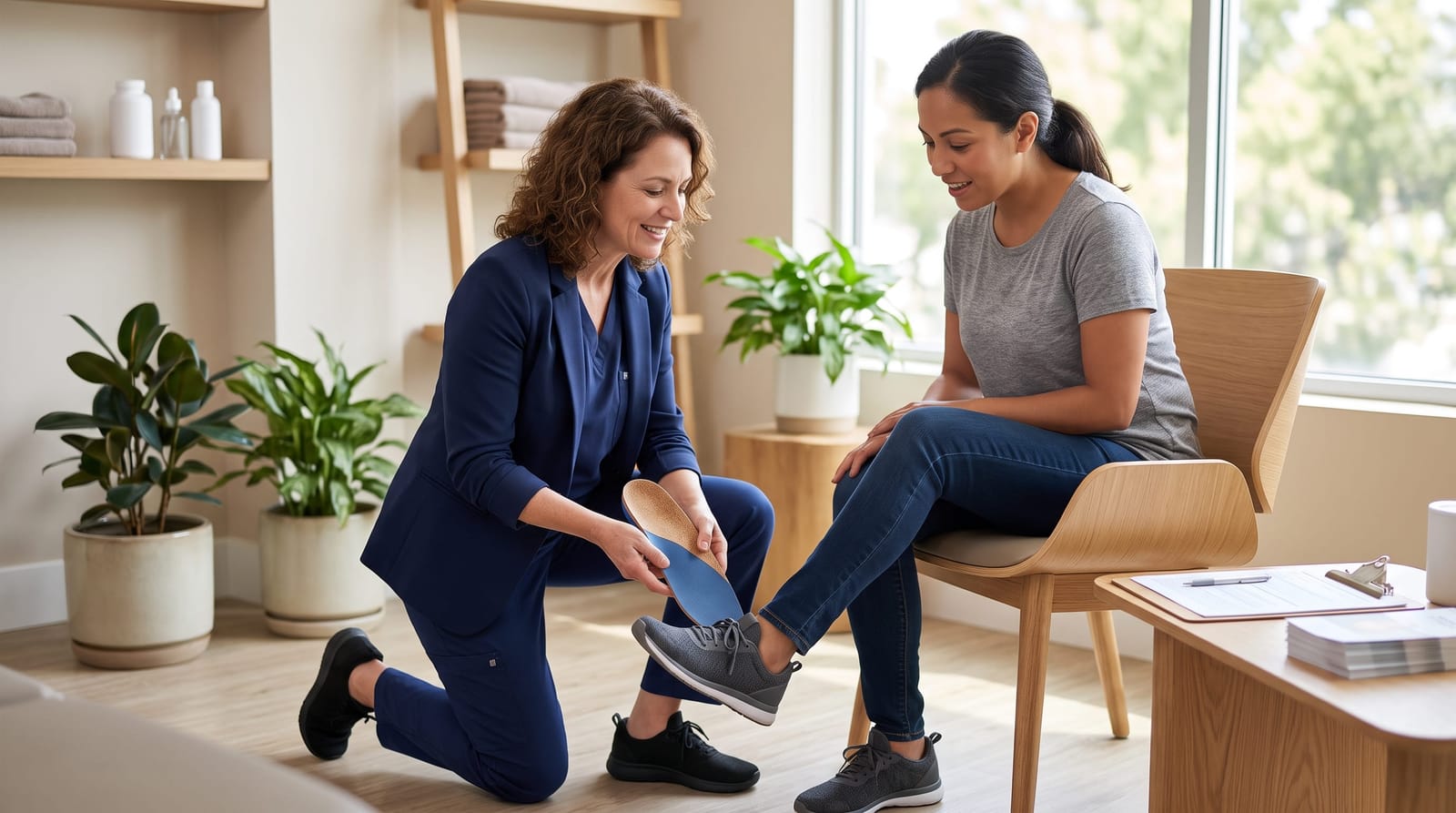
Custom orthotics are a different category entirely. They are medical-grade devices prescribed and fabricated specifically for your feet: your unique arch height, foot width, gait pattern, weight distribution, and biomechanical characteristics. A licensed professional takes precise measurements or impressions of your feet, analyzes how you stand and walk, and works with a specialized lab to create devices that support your feet in a way no off-the-shelf product can replicate.
Functional vs. Accommodative Orthotics
Not all custom orthotics serve the same purpose, and understanding the difference helps clarify the value you're receiving:
- Functional orthotics are designed to control and improve the mechanics of how your foot moves. They're typically made from semi-rigid or rigid materials and are used to address biomechanical imbalances that can affect gait, posture, and how forces travel up through your joints.
- Accommodative orthotics are softer and designed primarily to provide cushioning and offload pressure from sensitive or painful areas of the foot. They're commonly used for individuals who need pressure redistribution rather than motion control.
Many active professionals benefit from a hybrid approach: a device that offers functional correction alongside enough cushioning to handle the demands of both athletic activity and long hours on their feet. A thorough evaluation by a qualified provider is the best way to determine which type aligns with your lifestyle and goals.
The distinction between custom orthotics and store insoles matters because it changes what you're actually paying for. An OTC insole is a consumer product. A custom orthotic is a personalized clinical device: closer in concept to prescription eyeglasses than a pair of cushioned socks.
---Understanding Custom Orthotics Cost: A Full Breakdown
The question of custom orthotics cost comes up early in almost every conversation, and rightly so. It's important to go in with realistic expectations and a clear understanding of what you're paying for at each stage of the process.
According to widely cited consumer health resources including GoodRx and Tread Labs, custom orthotics typically cost between $200 and $800, with some specialized or complex devices exceeding that range. The variation in custom orthotics cost reflects differences in materials, fabrication methods, provider expertise, and the complexity of the fitting process.
What Affects Custom Orthotics Cost?
- Materials: Rigid carbon fiber orthotics, soft accommodative foam devices, and hybrid constructions all carry different price points based on material cost and lab fabrication complexity.
- Type of orthotic: Semi-custom orthotics, which begin with a prefabricated shell that's then modified, tend to cost less than fully custom-fabricated devices built from scratch using your foot impressions or 3D scans.
- Provider and evaluation process: The clinical time involved in gait analysis, foot casting or scanning, and follow-up adjustments is a meaningful component of the total custom orthotics cost.
- Modifications and follow-up: Some patients require adjustments after the initial fitting period. These visits may or may not be included in the initial quote, so it's worth asking upfront.
- Purpose and use case: A device designed for daily dress shoe wear differs from one engineered for trail running or high-impact training. Sport-specific orthotics often involve additional design considerations that affect cost.
The Hidden Costs of Not Addressing Alignment
One framing that often shifts how active professionals think about custom orthotics cost is considering what poor biomechanics may cost over time, in recurring discomfort, reduced training capacity, or missed workdays due to fatigue or pain. While individual outcomes vary widely and no provider can promise specific results, there is a reasonable wellness argument to be made for addressing foundational movement issues early, before they compound into more significant concerns.
When evaluating custom orthotics cost, it helps to think in terms of cost-per-day over the lifespan of the device. A well-made pair of custom orthotics that lasts two to five years, common for many patients, represents a much more modest daily investment than the sticker price initially suggests.
---Does Insurance Cover Custom Orthotics? What Los Angeles Professionals Should Know
Insurance coverage for custom orthotics is one of the most common questions we hear, and the honest answer is: it depends. Coverage varies significantly by plan, provider, and the clinical documentation supporting the recommendation.
Many health insurance plans, including some PPO plans common among employed professionals in California, do include some level of coverage for custom orthotics when they are deemed medically necessary and prescribed by a licensed provider. In some cases, flexible spending accounts (FSAs) and health savings accounts (HSAs) can also be used to offset custom orthotics cost.
However, coverage is not guaranteed. Some plans exclude orthotics entirely. Others cover them only for specific diagnoses or only up to a set dollar amount. The gap between what insurance covers and the total custom orthotics cost is something patients need to be prepared for.
Important considerations when exploring coverage include:
- Whether your provider is in-network with your insurance plan
- Whether the orthotic recommendation is supported by clinical documentation
- Whether your plan requires a referral or pre-authorization
- The plan's annual limit for durable medical equipment (DME), which is often how orthotics are categorized
Because insurance questions involve your specific policy terms and clinical circumstances, we always recommend speaking directly with your insurance carrier and your provider's billing team to get accurate information for your situation. For a deeper look at how coverage tends to work in the Los Angeles market, see our detailed post on custom orthotics cost insurance.
---The Custom Orthotics Fitting Process: What to Expect at Prodigy
One of the things that sets custom orthotics apart from anything you can buy off a shelf is the process behind them. Understanding what goes into the fitting and fabrication helps explain the custom orthotics cost, and why patients who've gone through a proper evaluation often describe it as one of the more informative healthcare experiences they've had.
Step 1: Comprehensive Evaluation
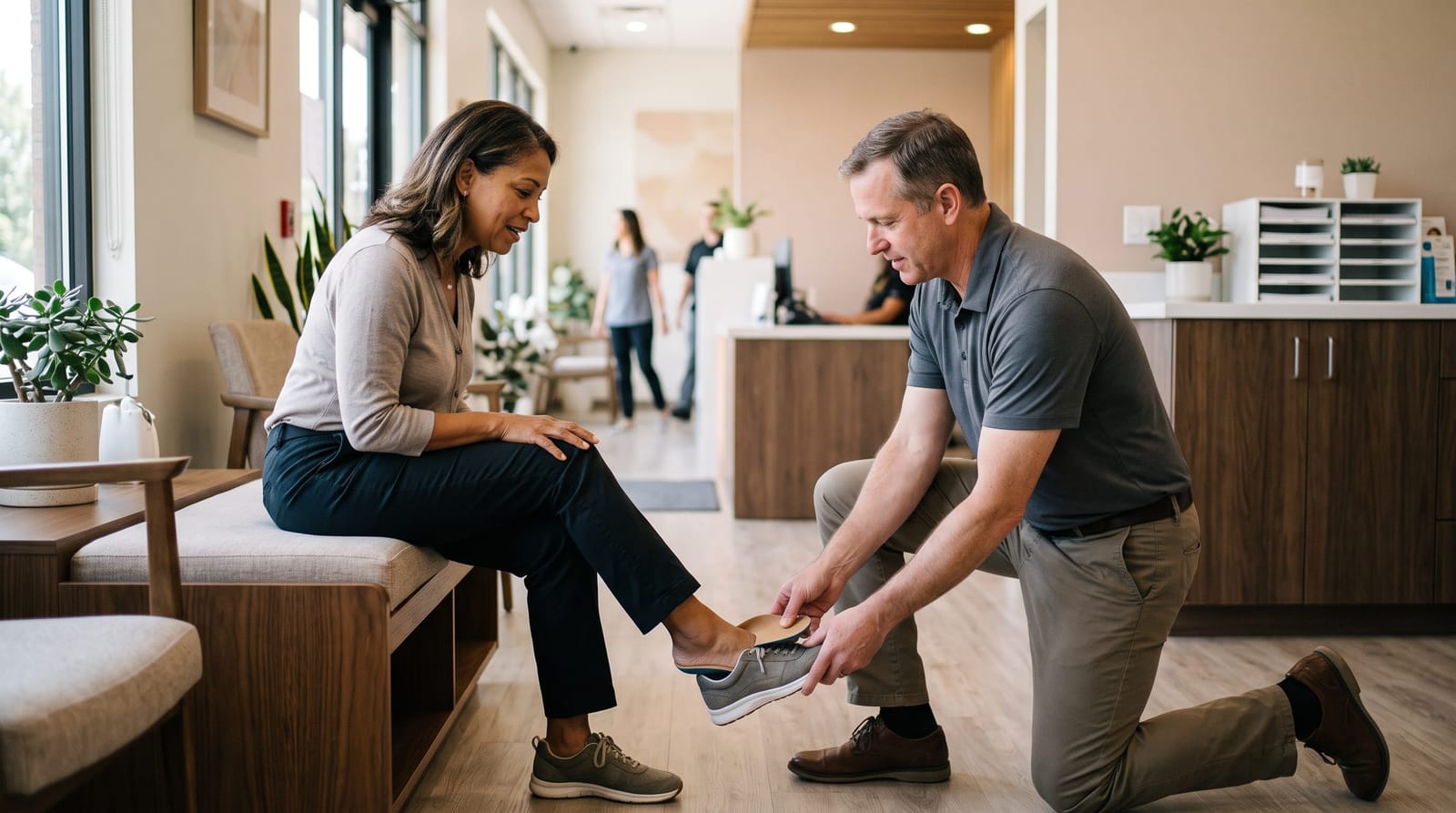
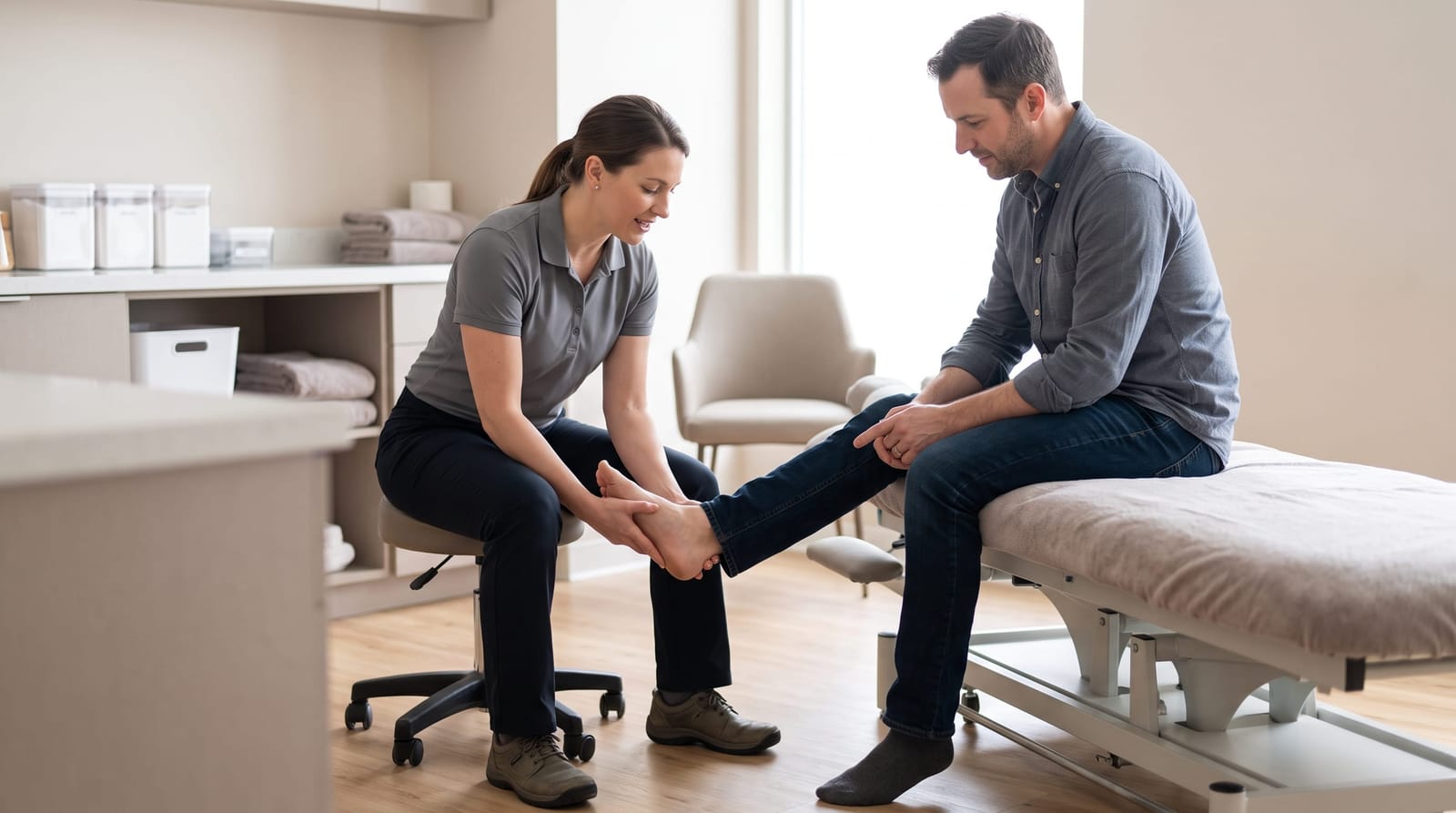
The process begins with a thorough assessment, not just of your feet, but of your posture, gait, and movement patterns. At Prodigy Chiro Care, our evaluation looks at how your feet interact with the ground during walking, how your arches respond to weight-bearing, and how any imbalances in the foot might be contributing to issues further up the kinetic chain, in the ankles, knees, hips, or lower back.
This context is essential. Two people with seemingly similar foot structure may have very different orthotic needs depending on their activity level, body mechanics, and wellness goals.
Step 2: Foot Impressions or 3D Scanning
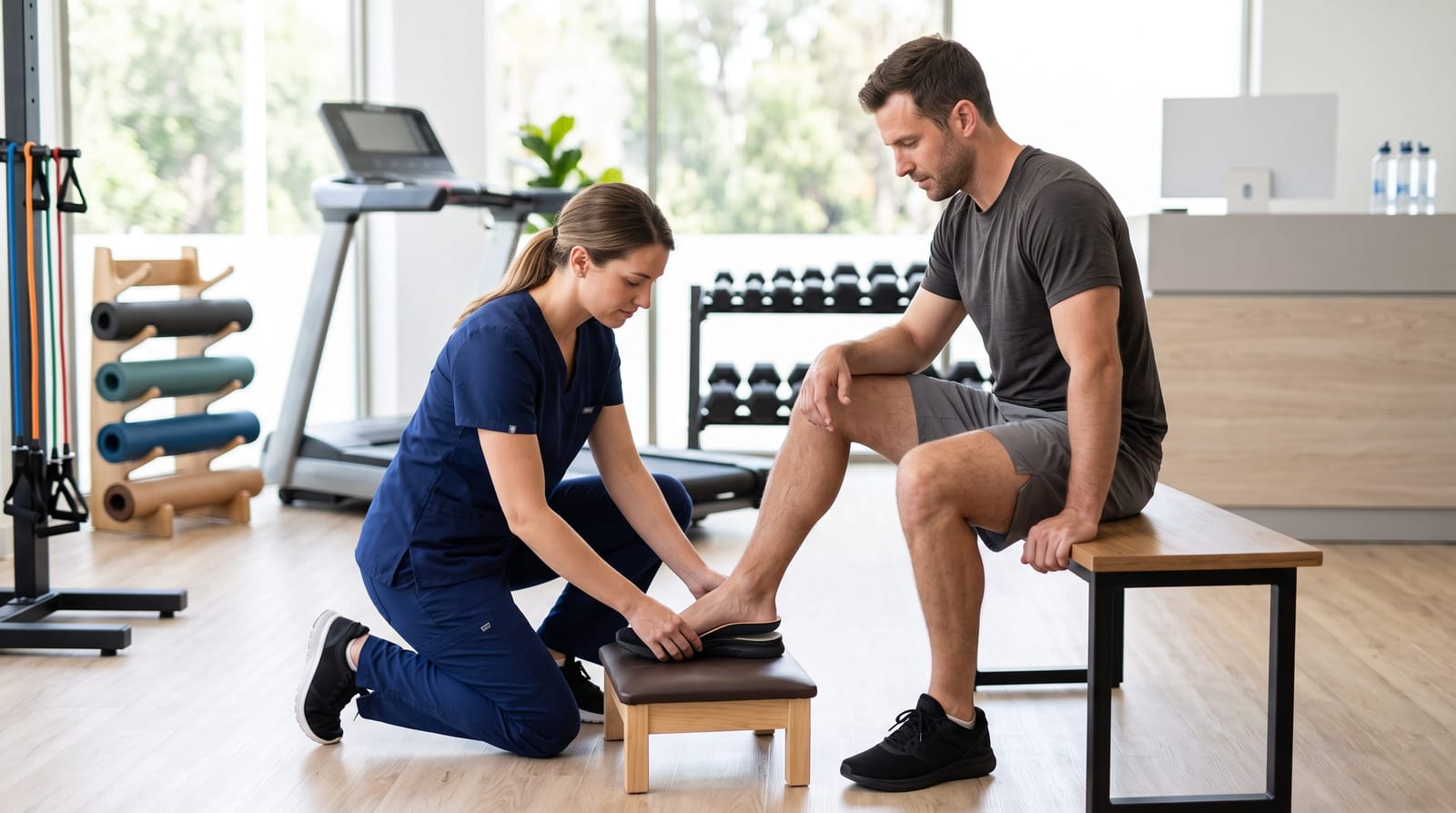
Precise measurements are captured using either a foam impression box, plaster casting, or digital 3D scanning technology. These measurements capture the exact contours of your feet in a weight-bearing or non-weight-bearing position, depending on the type of orthotic being fabricated. This data is what gets sent to a specialized orthotic lab where your devices are built.
Step 3: Fabrication
Your orthotics are manufactured by skilled technicians using the materials and specifications determined during your evaluation. This process typically takes one to two weeks, depending on the lab and device complexity.
Step 4: Fitting and Break-In
When your orthotics are ready, you'll return for a fitting appointment. Your provider will check the fit, make any necessary adjustments, and walk you through a break-in protocol. Most people adapt to their new orthotics gradually over one to four weeks, and it's important not to rush this process.
Step 5: Follow-Up and Refinement
Occasional follow-up visits allow your provider to fine-tune the devices as needed. Orthotics are not always perfect on the first try, and a good provider will work with you through the adjustment period to ensure you're getting the support you need.
---Custom Orthotics vs. Over-the-Counter Insoles: Is the Difference Worth the Price?
With quality OTC insoles available at price points between $20 and $80, the price gap between store-bought options and custom orthotics cost naturally raises the question: is the difference actually worth it?
The honest answer is that it depends on your feet, your lifestyle, and what you're hoping to address. For some people with relatively neutral biomechanics and minor discomfort, a high-quality OTC insole may offer meaningful relief. But for many active professionals, especially those with structural foot variations, persistent discomfort, or high physical demands, the limitations of generic insoles become apparent quickly.
Here's what the comparison tends to come down to in practice:
- Fit precision: OTC insoles are designed for an average foot. Custom orthotics are designed for yours. This distinction is most significant for individuals with flat arches, high arches, pronation, or other foot characteristics that deviate from the norm.
- Durability: Quality custom orthotics typically last two to five years with proper care, while most OTC insoles need replacement every three to six months. Over time, the cost-per-year gap between the two options narrows considerably.
- Clinical backing: Custom orthotics are prescribed based on a professional evaluation of your biomechanics. OTC options are selected by the consumer based on general comfort preferences.
- Adaptability: Custom orthotics can be transferred between multiple pairs of shoes (with compatible footwear), while OTC insoles are typically shoe-specific and less durable under this kind of use.
For a detailed cost-value comparison of both options, our post on do custom orthotics work breaks down the research and practical considerations in depth.
---Long-Term Benefits for Active Professionals: Beyond the Feet
One of the most important shifts in perspective for active professionals evaluating custom orthotics cost is understanding that the benefits of properly fitted orthotics extend well beyond foot comfort. Your feet are the foundation of your entire musculoskeletal system, and how they function affects everything from your running economy to how you feel after a full day of meetings.
Postural Support and Spinal Alignment
Foot mechanics and spinal alignment are directly connected. Excessive pronation (inward rolling of the foot), supination, or uneven weight distribution can create compensatory patterns that travel up through the ankles, knees, hips, and lumbar spine. Over time, these patterns contribute to muscular fatigue, joint stress, and postural imbalance that many active adults accept as a normal part of a busy lifestyle, when in fact they may be addressable at the source.
Custom orthotics, as part of a broader approach to spinal and musculoskeletal wellness, can support more balanced alignment through the entire kinetic chain. At Prodigy, we often incorporate orthotic recommendations as one component of a comprehensive care plan that may also include chiropractic adjustments, soft tissue work, and movement coaching.
Performance and Recovery
For the active professional who runs, cycles, plays tennis, or trains regularly, efficient biomechanics matter for both performance and recovery. When your feet are properly supported, energy transfer through each stride becomes more efficient, and the cumulative stress on your joints is reduced. Many active adults report that their workouts feel more sustainable and their post-activity recovery feels less demanding after adapting to well-fitted orthotics, though individual experiences naturally vary.
Productivity and Daily Comfort
Standing professionals, surgeons, teachers, retail managers, chefs, and others who spend six to ten hours a day on their feet, often find that foot fatigue and lower limb discomfort significantly affect their focus and energy levels by mid-afternoon. Proper foot support can contribute to greater physical stamina through the workday, though results depend on many individual factors.
Longevity of Joint Health
While no device can guarantee specific health outcomes, there is a reasonable wellness rationale for supporting healthy joint mechanics over decades of active use. Professionals in their 30s and 40s who invest in their biomechanical foundation now are taking a proactive approach to musculoskeletal wellness: the same logic that drives consistent strength training and regular chiropractic care.
---Who Is a Good Candidate for Custom Orthotics?
Custom orthotics aren't a universal recommendation for every person who experiences foot discomfort. They're most likely to be valuable when there is a clear biomechanical component contributing to discomfort or functional limitation, and when a clinical evaluation confirms that prescription-grade support is appropriate for your specific situation.
Common scenarios where custom orthotics are frequently recommended include:
- Flat feet or significantly high arches that cause discomfort during activity or prolonged standing
- Overpronation or supination that contributes to knee, hip, or lower back tension
- Heel pain or arch fatigue that has been present for several weeks or longer
- Recurring lower extremity discomfort in runners, cyclists, or other athletes without a clear traumatic cause
- Professionals who stand for extended periods and experience end-of-day lower limb fatigue
- Individuals with leg length discrepancy or asymmetric gait patterns
If you're uncertain whether custom orthotics are appropriate for your situation, a professional evaluation is the right starting point. Our post on do I need custom orthotics covers the common signs that your foot mechanics may be contributing to issues elsewhere in your body, and what a proper assessment involves.
It's also worth noting that custom orthotics address specific biomechanical considerations: they are not a substitute for a comprehensive evaluation when pain or discomfort is present. Consulting a qualified healthcare provider is always the appropriate first step when you're experiencing persistent discomfort of any kind.
---Deep Dive Topics in This Cluster
This guide covers the full landscape of custom orthotics for active professionals, but each of the following topics deserves a closer look. The posts below explore specific aspects of custom orthotics cost, use cases, and clinical considerations in greater depth:
- Do I Really Need Custom Orthotics?, Not sure whether your symptoms warrant a custom orthotic evaluation? Our post on do I need custom orthotics walks through the common physical signs that suggest your foot mechanics may be affecting your overall alignment and comfort, and what a professional assessment actually involves.
- Insurance Coverage for Custom Orthotics in Los Angeles: Coverage varies widely by plan, provider, and clinical documentation. Our detailed guide on custom orthotics cost insurance explains how coverage generally works in the LA market, what questions to ask your insurer, and how to approach the benefits conversation with your provider.
- Custom Orthotics for Flat Feet, Flat arches are one of the most common biomechanical variations seen in our practice, and one of the most frequently underaddressed. Our post on custom orthotics flat feet explains how flat feet affect alignment throughout the body and how custom orthotics can support healthier mechanics for this foot type.
- Custom Orthotics vs. Over-the-Counter Insoles: Is the price difference between custom devices and store-bought insoles justified? Our in-depth comparison post on do custom orthotics work examines the evidence, the practical tradeoffs, and the scenarios where each option tends to make the most sense.
- Custom Orthotics for Plantar Fasciitis: Heel pain from plantar fasciitis is one of the most common complaints we see among runners, active professionals, and individuals who spend long hours on their feet. Learn how custom orthotics fit into a non-surgical approach to managing this condition in our post on custom orthotics plantar fasciitis.
Custom Orthotics at Prodigy Chiro Care: What Sets Our Approach Apart
At Prodigy Chiro Care in West Los Angeles, custom orthotics are not a standalone product: they're one component of a thoughtful, whole-body approach to musculoskeletal wellness. Our team takes the time to understand your lifestyle, activity demands, and wellness goals before making any recommendations. We use advanced gait analysis and foot scanning technology to ensure that every orthotic we prescribe is built on accurate, individualized data.
We also believe that informed patients make better decisions about their care. That's why we take the time to explain what we're observing in your evaluation, what your orthotic is designed to do, and how it fits within any broader care plan we develop together. If custom orthotics are not the right fit for your needs, we'll tell you that too, and discuss what might serve you better.
Custom orthotics cost at our practice is consistent with the range you'll find across quality providers in the Los Angeles area, and our team is happy to walk you through your options, answer questions about your insurance benefits, and help you make a decision that makes sense for your situation and your budget.
---Conclusion: An Investment in How You Move: Every Day
Custom orthotics represent a meaningful investment, in the truest sense of the word. Unlike a one-time purchase, a well-fitted pair of custom orthotics works with your body every day, supporting more efficient movement, reducing unnecessary joint stress, and contributing to the kind of physical foundation that keeps you active, productive, and feeling your best over the long term.
Understanding custom orthotics cost is an important part of the decision, and the $200 to $800 range cited across most reputable sources reflects meaningful variation in materials, customization, and clinical expertise. But as with most investments in your health and performance, the real measure of value isn't the upfront price. It's what you get in return, day after day, for years.
If you're an active professional in West LA wondering whether custom orthotics might be right for you, the best next step is a conversation with a qualified provider who can evaluate your specific biomechanics and give you a clear picture of what to expect.
Ready to take that step? Contact Prodigy Chiro Care today to schedule a comprehensive orthotic evaluation and learn whether custom orthotics are a good fit for your lifestyle and wellness goals. Our team is here to help you move better, and feel better doing it.