Do I Really Need Custom Orthotics? Signs Your Feet Are Affecting Your Spine
When people think about back pain or hip discomfort, their feet rarely come to mind first. But the feet are the foundation of your entire body's movement system. When that foundation is off, even slightly, the effects can travel upward through your knees, hips, and spine. If you've been asking yourself, do I need custom orthotics, you're not alone. Many active professionals in West LA are surprised to learn that persistent postural issues or chronic lower-body discomfort may trace back to how their feet move and support their weight. This guide walks you through the biomechanical connection between foot mechanics and spinal alignment, the most common signs that orthotics may be worth exploring, and a practical self-assessment checklist to help you start that conversation with a qualified provider.
How Your Feet Influence Everything Above Them
Your feet contain 26 bones, 33 joints, and more than 100 muscles, tendons, and ligaments. Every step you take sends force rippling upward through your body. When your feet absorb and distribute that force efficiently, everything above them, ankles, knees, hips, and spine, can move with less strain. When they don't, compensations begin.
This upward chain of influence is called the kinetic chain. It describes how movement at one joint affects all the joints above and below it. A foot that rolls inward excessively (overpronation) can cause the shinbone to rotate inward, which shifts the knee out of alignment and tilts the pelvis. Over time, that pelvic shift changes how the lumbar spine curves and how the muscles surrounding it work.
Common Foot Mechanics That Affect Spinal Alignment
- Overpronation: Excessive inward rolling of the foot arch, placing rotational stress on the knee and hip
- Supination (underpronation): The foot rolls outward, reducing shock absorption and increasing lateral joint stress
- Flat feet (pes planus): Reduced arch height changes weight distribution across the entire lower body
- High arches (pes cavus): Limited surface contact creates concentrated pressure points and reduces natural shock absorption
- Leg length discrepancy: Even a difference of a few millimeters can cause noticeable pelvic tilting over years of walking
Research suggests that approximately 77% of Americans experience significant foot problems at some point in their lives, and many of those issues influence posture and gait without the person realizing it. Understanding your own foot mechanics is a meaningful starting point for addressing pain that feels unrelated to your feet.
Signs Your Foot Mechanics May Be Affecting Your Body
One of the most common reasons people overlook foot mechanics is that the pain doesn't always show up in the feet themselves. Instead, it surfaces higher, in the knees, hips, or lower back. Here are the key signals worth paying attention to.
Chronic Lower Back Pain With No Clear Cause
Lower back pain is one of the most reported musculoskeletal complaints in the United States, affecting an estimated 80% of adults at some point in their lives. When it becomes chronic and doesn't respond well to stretching or rest alone, foot mechanics are worth evaluating. Pelvic tilting caused by uneven foot loading can place sustained tension on the lumbar muscles and intervertebral discs. If your lower back pain is worse after long walks, standing, or exercise, your gait pattern may be a contributing factor.
Knee Pain During or After Activity
Knee pain, particularly on the inner or outer side of the knee, can result from rotational forces that originate in the foot. Overpronation, for example, causes the tibia to rotate inward with each step. Over thousands of daily steps, that rotation creates abnormal stress on the knee joint. Studies have found that excessive pronation is associated with increased risk of patellofemoral pain syndrome, a common complaint among runners and active individuals.
Hip Imbalance or One-Sided Pain
If you consistently feel tighter or more sore on one side of your hip or buttock, it may reflect an asymmetry in how your feet are loading. Uneven weight distribution during walking causes one hip to work harder than the other. This imbalance can lead to muscle tension, reduced range of motion, and discomfort that feels like a hip or glute problem but originates lower in the chain.
Postural Issues That Don't Resolve With Exercise
Some patients notice their posture is consistently off: one shoulder sits higher, the pelvis tilts forward, or they seem to lean to one side in photos. When these patterns persist despite core strengthening or stretching efforts, foot mechanics are worth evaluating. You can learn more about what orthotics can and can't do for alignment in this detailed look at custom orthotics fix posture.
Uneven Shoe Wear: What Your Soles Are Telling You
Your shoes record every step you take. Examining the wear pattern on the soles of your most-used footwear is one of the simplest ways to get a preliminary read on your gait mechanics.
How to Read Your Shoe Wear Pattern
- Heavy wear on the inner heel and forefoot: Often suggests overpronation
- Heavy wear on the outer edge: May indicate supination or underpronation
- Wear concentrated under the ball of the foot: Can reflect high arches or forefoot loading issues
- Uneven wear between left and right shoes: May point to a leg length difference or asymmetrical gait
- Rapid breakdown of the heel counter: Often signals significant heel strike mechanics worth evaluating
Shoe wear analysis is not a substitute for a professional gait evaluation, but noticing a consistent, asymmetrical pattern is useful information to bring to your appointment. A qualified provider can combine that observation with a thorough assessment to give you a clearer picture.
Self-Assessment Checklist: Are Custom Orthotics Worth Exploring?
This checklist is intended to help you reflect on your symptoms and lifestyle, not to replace a professional evaluation. If several of these apply to you, it's worth scheduling a conversation with a provider who can assess your foot mechanics and overall movement patterns.
Physical Symptoms
- ☐ I have persistent heel pain, especially in the morning when I first stand up
- ☐ I notice aching or burning in the arch or ball of my foot after prolonged standing or walking
- ☐ I experience chronic lower back pain that tends to worsen after being on my feet
- ☐ I have recurring knee pain on the inner or outer side of one or both knees
- ☐ One hip feels consistently tighter or more painful than the other
- ☐ I have been told I have flat feet or high arches
- ☐ I experience numbness or tingling in my feet during activity
Lifestyle and Activity Factors
- ☐ I spend more than 4 hours a day on my feet (standing profession, active commute, frequent exercise)
- ☐ I run, cycle, or engage in high-impact sports regularly
- ☐ I sit at a desk for long periods and notice stiffness in my hips or lower back when I stand
- ☐ My work shoes provide little arch support or cushioning
- ☐ I've tried over-the-counter insoles without consistent relief
Observation Clues
- ☐ My shoes show uneven wear: more on one side or one foot than the other
- ☐ When I stand barefoot, my arches appear to touch or nearly touch the floor
- ☐ I notice I tend to lean on one leg or shift my weight when standing still
Checking 4 or more boxes, particularly across multiple categories, is a reasonable signal that a professional gait and foot mechanics evaluation is a worthwhile next step. Exploring whether custom orthotics for back pain might be appropriate for your situation is part of that broader conversation.
When Over-the-Counter Insoles Aren't Enough
Many people start with drugstore insoles, and for mild, temporary discomfort, they can provide meaningful comfort. But there are situations where a prefabricated solution may not address the underlying mechanics driving your symptoms.
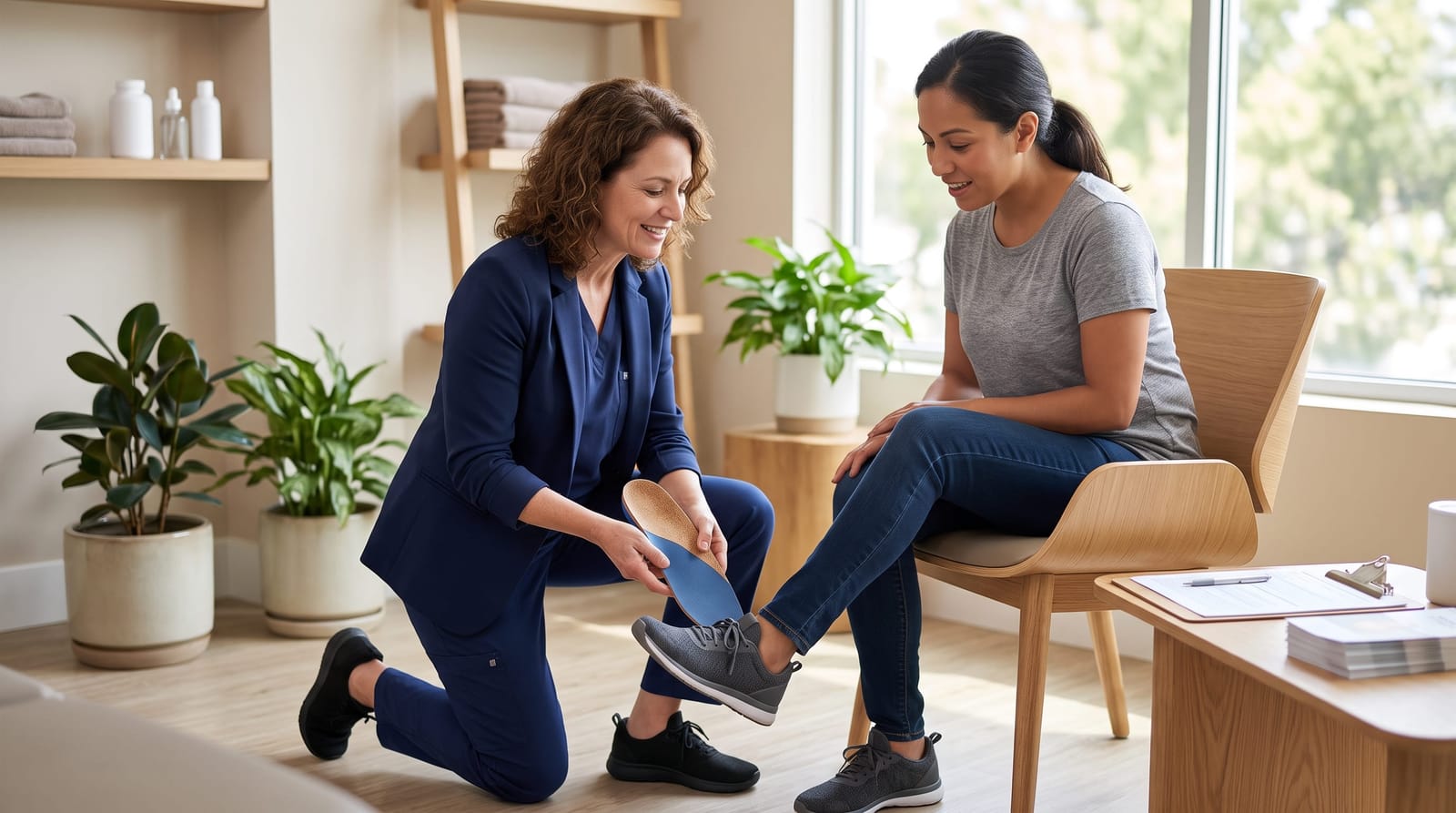
Over-the-counter insoles are designed to fit a wide range of foot shapes. They offer general cushioning and some arch support, but they don't account for the specific way your individual feet load, pronate, or supinate. Custom orthotics, by contrast, are fabricated from detailed measurements or a 3D scan of your foot. They are designed to address your particular biomechanical pattern, not a population average.
If you've tried quality store-bought insoles for 6 to 8 weeks without meaningful improvement in foot, knee, hip, or back comfort, that's a reasonable indicator that a custom solution may be worth exploring. You can compare both options in depth in our guide to do custom orthotics work versus off-the-shelf alternatives.
It's also worth understanding that cost is a real consideration. Custom orthotics represent a higher upfront investment than prefabricated insoles. For many active professionals, the long-term value, including fewer episodes of discomfort, better athletic performance, and reduced compensatory wear on joints, makes that investment worthwhile. Understanding how custom orthotics cost insurance factors into the overall picture can help you plan appropriately.
What a Professional Evaluation Actually Involves
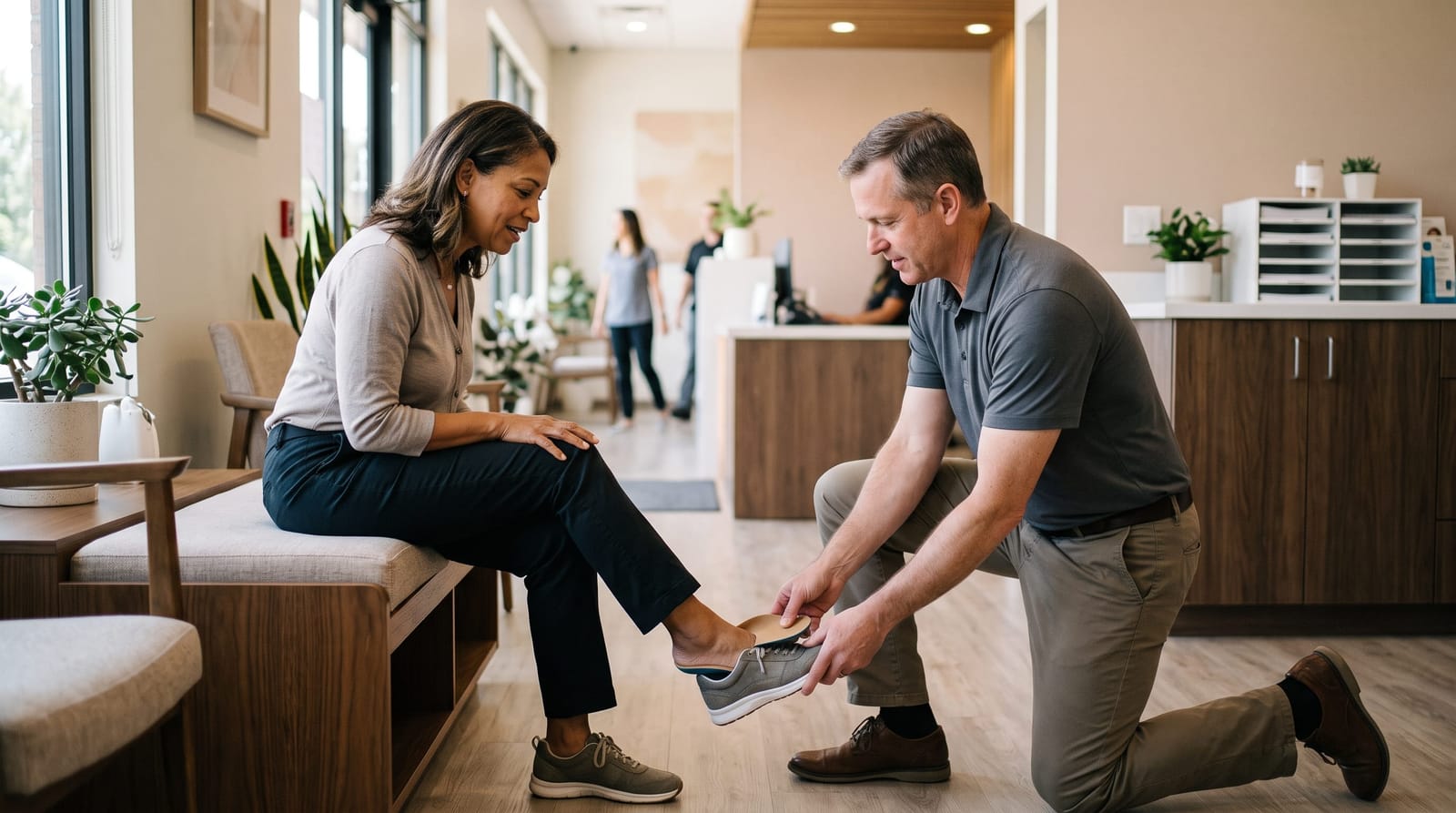
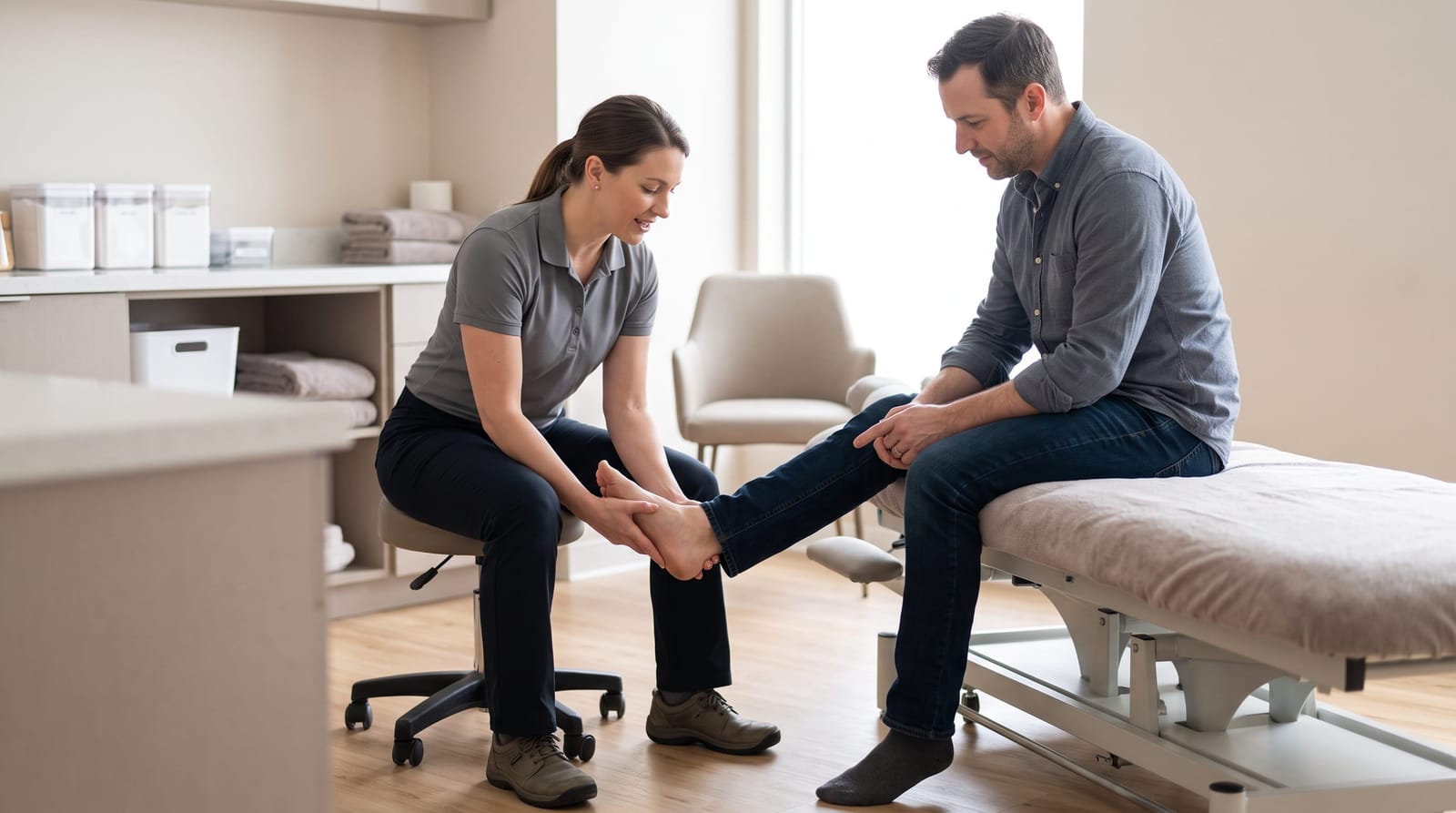
If your self-assessment suggests orthotics may be worth exploring, a professional evaluation is the logical next step. At a chiropractic and wellness practice like Prodigy Chiro Care, that process is designed to be thorough, comfortable, and educational, not intimidating.
What to Expect During a Gait and Foot Assessment
- Postural observation: How you stand, distribute weight, and carry your alignment from feet to shoulders
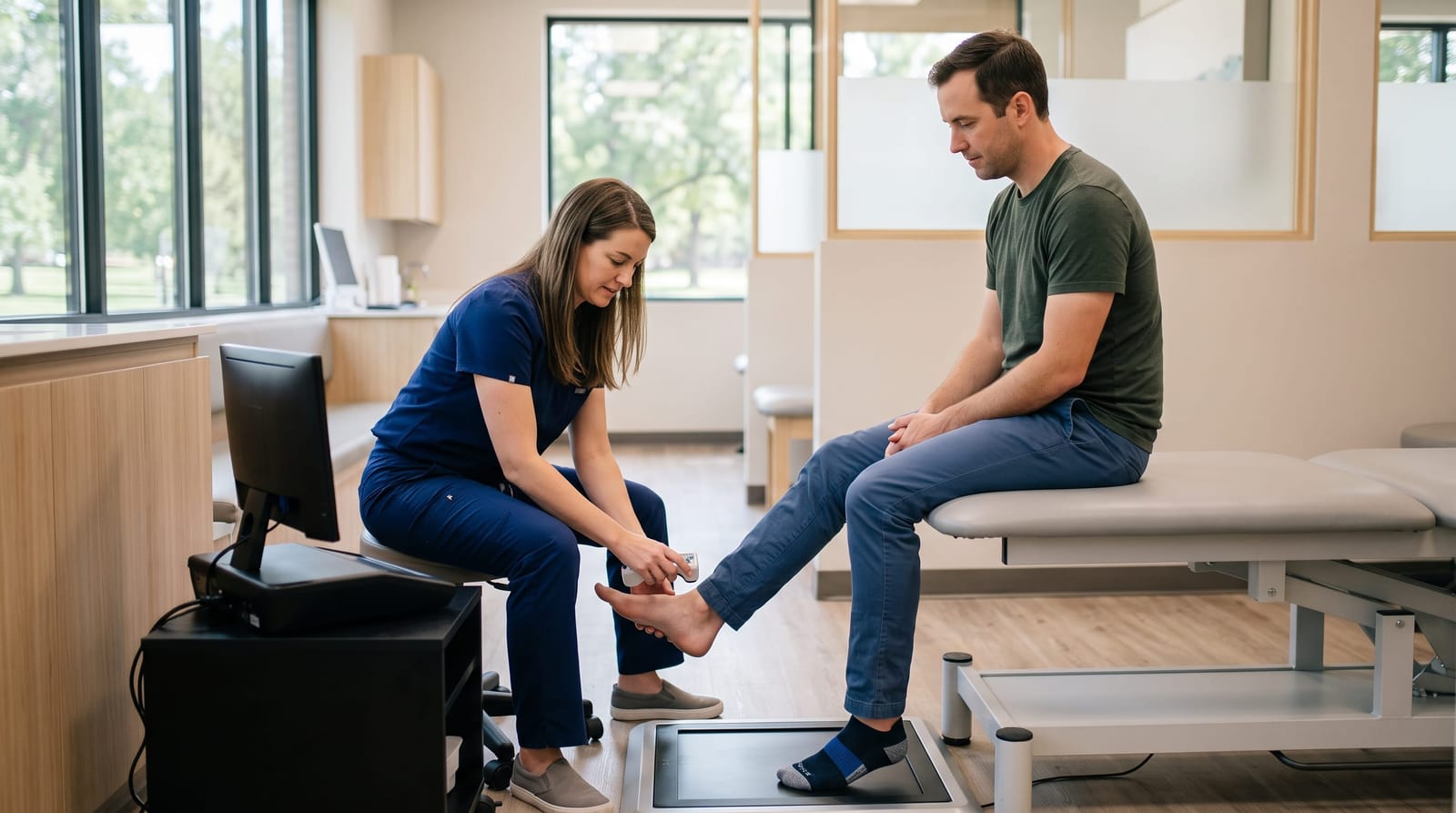
- Gait analysis: How your feet contact the ground and move through each step, often observed during walking
- Foot mechanics assessment: Arch height, flexibility, and how your foot functions under body weight
- 3D foot scanning or casting: A precise measurement of your foot's shape used to fabricate a custom orthotic
- Full-body context: Consideration of your activity level, footwear habits, and the specific symptoms you're experiencing
A good evaluation considers your feet within the context of your whole body, not in isolation. That full-picture approach is what makes custom orthotics a potentially useful tool for active professionals managing lifestyle-driven biomechanical stress.
Related Topics Worth Exploring
If this guide has raised specific questions, the following posts go deeper into targeted areas:
- Curious whether orthotics can help with persistent lumbar discomfort? Explore custom orthotics for back pain for a focused look at how foot support may influence spinal mechanics.
- Wondering how realistic posture improvements are? Read custom orthotics fix posture for an honest, evidence-informed perspective on what to expect.
Conclusion
Your feet do more than carry you from place to place: they set the mechanical foundation for everything above them. When that foundation is compromised, the effects can show up as knee aches, hip tension, or chronic lower back discomfort that feels unrelated to your feet. Asking do I need custom orthotics is a smart starting point, and the self-assessment checklist in this guide can help you decide whether a professional evaluation is your next logical step. At Prodigy Chiro Care, we take a whole-body approach to biomechanical wellness: understanding not just your feet, but how they interact with your posture, your activity level, and your long-term comfort. Contact us today to schedule a gait and posture evaluation and find out whether custom orthotics make sense for your lifestyle.