Cold Laser Therapy vs Traditional Pain Treatments: A Head-to-Head Comparison

If you've been managing pain for a while, you've likely encountered a familiar lineup of treatment options: anti-inflammatory medications, cortisone injections, physical therapy, or even surgery. Each approach has its place, but patients are increasingly asking whether there's a gentler, more sustainable path forward. Cold laser therapy has emerged as a meaningful option in that conversation. This post breaks down how it compares to traditional pain treatments across four key areas: safety, effectiveness, recovery time, and cost, so you can have a more informed conversation with your care provider.
Understanding Cold Laser Therapy Side Effects vs. Medication Risks
One of the most important distinctions between cold laser therapy and conventional treatments is the safety profile. When evaluating cold laser therapy side effects, the picture is notably mild compared to many standard alternatives.
Cold laser therapy side effects are generally minimal and short-lived. The most commonly reported responses include:
- Temporary redness or mild warmth at the treatment site
- Brief, mild skin irritation if settings are not properly calibrated
- Occasional mild fatigue following treatment sessions
Serious adverse events from cold laser therapy are rare, and no significant long-term harm has been reported in the clinical literature when the therapy is administered appropriately. There are specific situations where cold laser therapy is not recommended, including during pregnancy and in areas near active cancer sites, which is why a thorough health history review always precedes treatment at a reputable practice.
By contrast, NSAIDs (like ibuprofen or naproxen) carry well-documented risks with prolonged use. According to the FDA, long-term NSAID use is associated with an increased risk of gastrointestinal bleeding, kidney stress, and cardiovascular events. Cortisone injections, while effective for short-term inflammation, can cause tendon weakening with repeated use and may temporarily elevate blood sugar in patients with diabetes. Understanding this contrast is a meaningful starting point for patients exploring their options.
Effectiveness: What Do the Comparisons Look Like?
Effectiveness is naturally the most important factor for anyone dealing with persistent pain. Here's how cold laser therapy generally compares to other approaches:
- NSAIDs: Effective at reducing acute inflammation and masking pain, but they do not address the underlying tissue dysfunction. Relief is often temporary without a corresponding change in the condition.
- Cortisone injections: Can provide significant short-term relief, often for several weeks to months, but are typically limited to a few uses per year due to potential tissue breakdown over time.
- Surgery: For certain structural problems, surgery may be the most definitive solution. However, it is generally reserved for cases where conservative care has not produced adequate results after a reasonable period.
- Physical therapy: Widely regarded as one of the most effective long-term strategies for musculoskeletal conditions. It addresses strength, mobility, and movement patterns, but results depend heavily on patient consistency and the skill of the therapist.
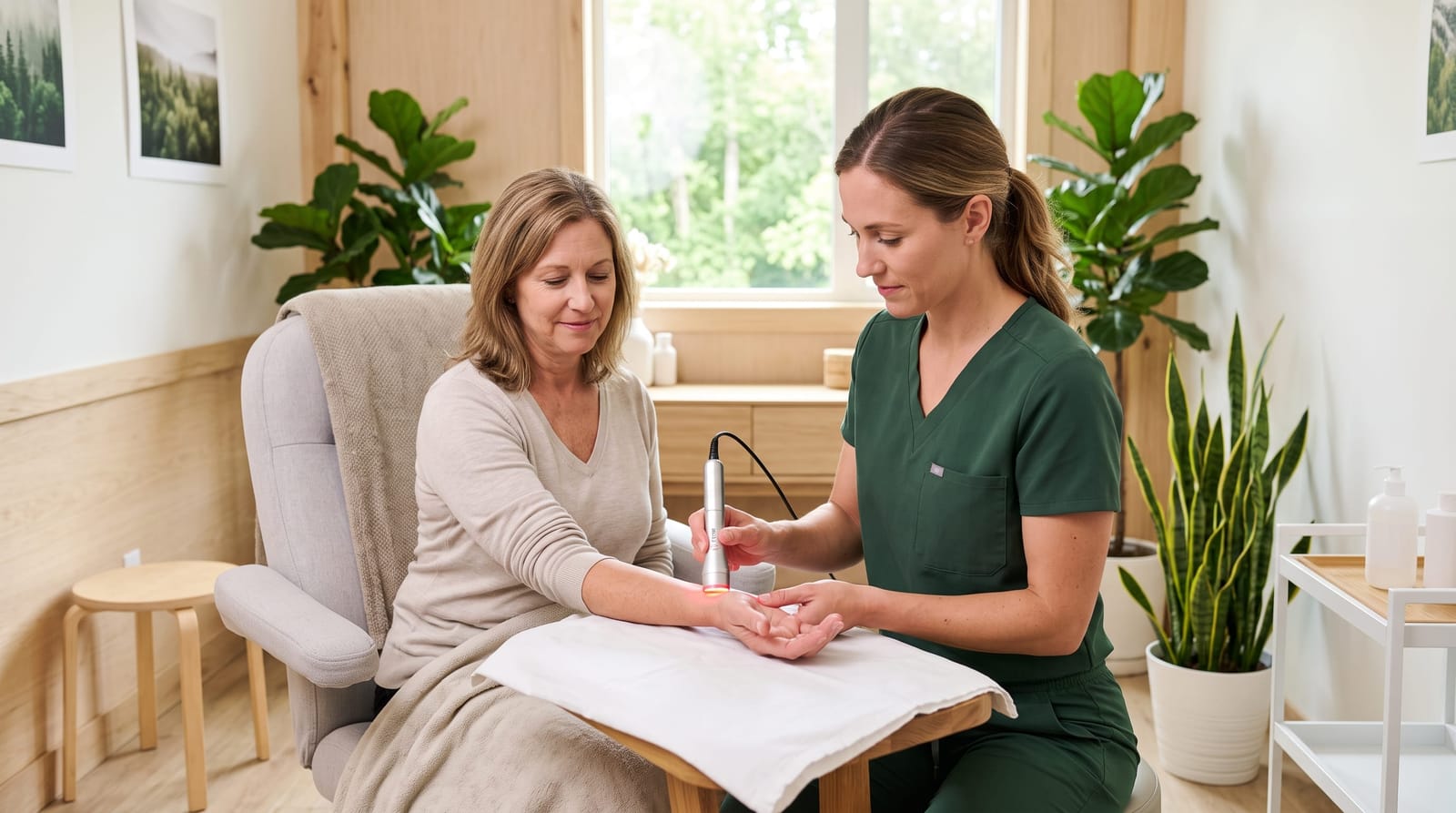
- Cold laser therapy: Research suggests it may support tissue healing, reduce localized inflammation, and improve circulation at the cellular level: benefits that are particularly relevant for conditions like tendinopathies, nerve-related discomfort, and soft tissue injuries. Studies in peer-reviewed journals have noted clinically meaningful improvements in pain scores for conditions such as carpal tunnel syndrome, Achilles tendinopathy, and chronic neck pain.
Cold laser therapy works best as part of a broader care plan rather than a standalone solution. Many patients and providers find it pairs well with chiropractic adjustments and rehabilitative exercises.
Recovery Time: How Long Until You Feel Better?
Recovery timelines vary significantly depending on the treatment approach, and this is where cold laser therapy often stands out in practical terms.
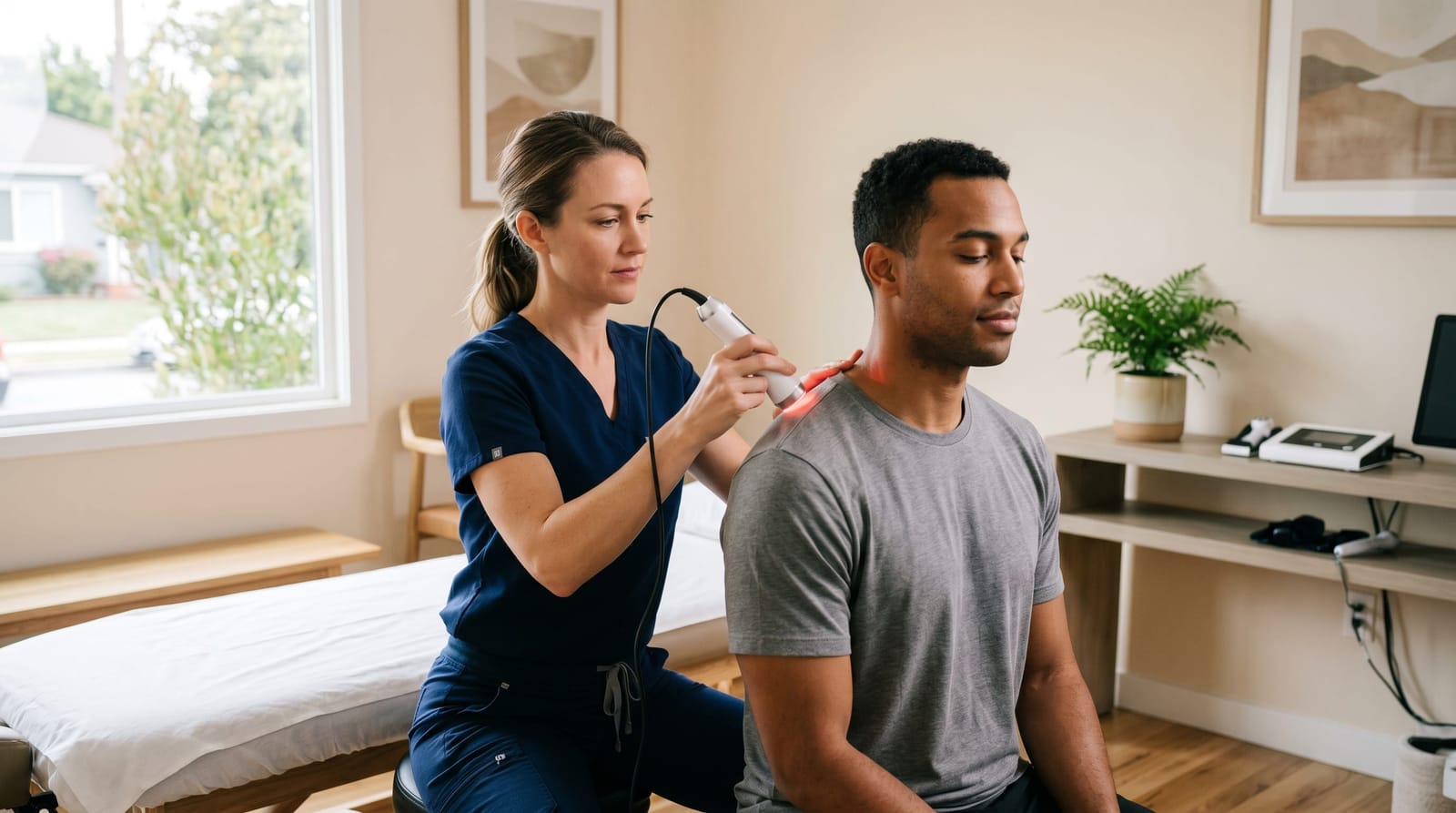
- Cold laser therapy: Most sessions take between 5 and 20 minutes, depending on the area being treated. There is no downtime, no wound care, and no post-treatment restrictions in most cases. Patients can typically return to their daily activities immediately after a session.
- Cortisone injections: Patients are usually advised to rest the treated area for 24-48 hours. Some individuals experience a temporary "cortisone flare": increased soreness in the day or two following the injection before improvement occurs.
- Surgery: Recovery timelines range from several weeks to many months depending on the procedure, with rehabilitation often required afterward. For example, recovery from carpal tunnel release surgery typically spans 4-6 weeks before full hand function returns for most patients.
- Physical therapy: Structured programs often run 6-12 weeks, requiring consistent appointments and home exercises. This is an investment in long-term function, though it doesn't disrupt daily life the way surgical recovery might.
For patients balancing work, family, and active lifestyles, the minimal disruption associated with cold laser therapy sessions is a practical advantage worth considering.
Cost Considerations: A Practical Overview
Cost is a real factor in any healthcare decision. It's worth understanding the general landscape, though individual circumstances vary widely.
- Individual cold laser therapy sessions typically range from $30 to $200 per session, with many treatment plans spanning 6-12 sessions depending on the condition and response to care.
- Cortisone injections can cost between $100 and $300 per injection in a clinical setting, not including the office visit fee.
- Common outpatient surgeries for musculoskeletal conditions, such as rotator cuff repair or carpal tunnel release, can range from several thousand dollars to over $10,000, depending on the facility and anesthesia requirements.
- A standard course of physical therapy typically runs $75 to $150 per session, with many plans covering 12-20 sessions over 6-8 weeks.
Insurance coverage for cold laser therapy varies. Some plans cover it under certain diagnostic codes while others treat it as an elective service. It's always worthwhile to check with both your provider and insurer before beginning a treatment plan. For a deeper look at the safety profile of this therapy and how to determine whether it might be appropriate for your situation, see our post on is cold laser therapy safe.
Frequently Asked Questions
Is cold laser therapy painful or uncomfortable?
Most patients describe cold laser therapy as painless. You may feel a gentle warmth over the treatment area during the session, but discomfort is uncommon. It is a non-invasive procedure that requires no needles, incisions, or anesthesia.
Can cold laser therapy be used alongside other treatments like physical therapy or chiropractic care?
Yes, and this is actually a common approach. Cold laser therapy is often used as a complementary addition to chiropractic care, rehabilitative exercises, or other supportive therapies. Your care provider can help determine how it might fit into a broader wellness plan.
How many cold laser therapy sessions are typically needed?
This varies based on the condition and how the individual responds to treatment. Many care plans involve 6-12 sessions over several weeks. Acute issues may resolve more quickly, while chronic conditions may benefit from a longer or periodic maintenance schedule.
Who should not use cold laser therapy?
Cold laser therapy is contraindicated in certain situations, including directly over areas of active cancer, during pregnancy, and over the eyes. A thorough intake process at your provider's office helps identify whether any contraindications apply to your situation.
Bringing It Into Perspective
No single treatment is the right answer for every person or every condition. But when you lay the options side by side, cold laser therapy holds up well as a low-risk, minimally disruptive option worth exploring: particularly for patients looking to avoid or delay more invasive interventions. Its mild cold laser therapy side effects profile, combined with no recovery downtime and meaningful potential for tissue support, make it a practical consideration in a well-rounded pain management conversation. Talk with your care team about how it might fit your specific situation and goals.