Cold Laser Therapy for Pain Relief: Which Conditions Respond Best and What Results to Expect
If you've been living with persistent joint pain, a nagging tendon injury, or the frustrating limitations that come with a repetitive stress condition, you've likely done your research. You may have already heard about cold laser therapy, and now you're asking the right next question: does it actually work for my specific problem?
That's exactly what this guide is designed to answer.
Cold laser therapy has moved well beyond the realm of experimental treatment. It's a well-studied, non-invasive approach that healthcare providers across the country are using to support pain relief, reduce inflammation, and help the body's natural repair processes work more efficiently. But not all conditions respond the same way, not all equipment delivers the same results, and not all treatment approaches are created equal.
In the sections below, you'll find a thorough, condition-by-condition breakdown of how cold laser therapy works, what the research shows, and what realistic expectations look like for some of the most common musculoskeletal complaints. You'll also learn how Prodigy Chiro Care integrates advanced cold laser technology within a broader, personalized care approach, because combining therapies often produces outcomes that no single treatment can achieve alone.
Whether you're dealing with carpal tunnel syndrome, tennis elbow, chronic back pain, or something else entirely, this guide will give you the clarity you need to make an informed decision about your care.
What Cold Laser Therapy Actually Does: The Science Behind the Light
Before diving into specific conditions, it helps to understand the mechanism behind cold laser therapy: sometimes called low-level laser therapy (LLLT) or photobiomodulation. Despite the word "laser," this isn't the cutting or burning laser you might associate with surgical procedures. Cold lasers operate at low power levels that don't generate heat or damage tissue. Instead, they deliver specific wavelengths of light, typically in the red and near-infrared spectrum, deep into the body's tissues.
What happens next is where the science gets interesting. When these photons of light are absorbed by cells, they interact with mitochondria: the energy-producing structures inside cells. This interaction stimulates the production of adenosine triphosphate (ATP), which is essentially cellular fuel. More ATP means cells can repair themselves more efficiently, clear out waste products, and perform their normal functions with greater capacity.
Three Core Biological Effects
Most of cold laser therapy's benefits trace back to three primary effects happening at the cellular level:
- Reduced inflammation: Cold laser therapy has been shown to modulate the inflammatory response, helping to calm excessive inflammation without suppressing the body's natural healing signals entirely. This is particularly valuable for chronic inflammatory conditions where the inflammation has become part of the problem rather than part of the solution.
- Accelerated tissue repair: By energizing cells and promoting circulation in treated areas, cold laser therapy can support faster regeneration of damaged soft tissue, including tendons, ligaments, and muscles.
- Pain signal modulation: Cold laser therapy may influence nerve conduction and pain signaling pathways, which helps explain why many patients report meaningful reductions in discomfort: sometimes after just a few sessions.
It's worth noting that individual responses to cold laser therapy vary. Factors like the severity of the condition, how long it has been present, overall health, and the quality of the equipment and protocols used all play a role in outcomes. A qualified provider can help set appropriate expectations for your specific situation.
Musculoskeletal Conditions: Where Cold Laser Therapy Shows Strong Support
Clinical research into cold laser therapy has grown substantially over the past two decades. The body of evidence is strongest for musculoskeletal conditions: the category of health concerns involving muscles, tendons, ligaments, joints, and nerves. Here's a look at the conditions where cold laser therapy has demonstrated the most consistent support in the literature.
Tendon and Ligament Injuries
Tendons and ligaments are notoriously slow to heal because of their limited blood supply. Cold laser therapy addresses this challenge directly by stimulating circulation and cellular activity in these tissue types. Research has shown that LLLT can support collagen synthesis, the building block of tendon and ligament repair, and help reduce the pain and stiffness associated with these injuries.
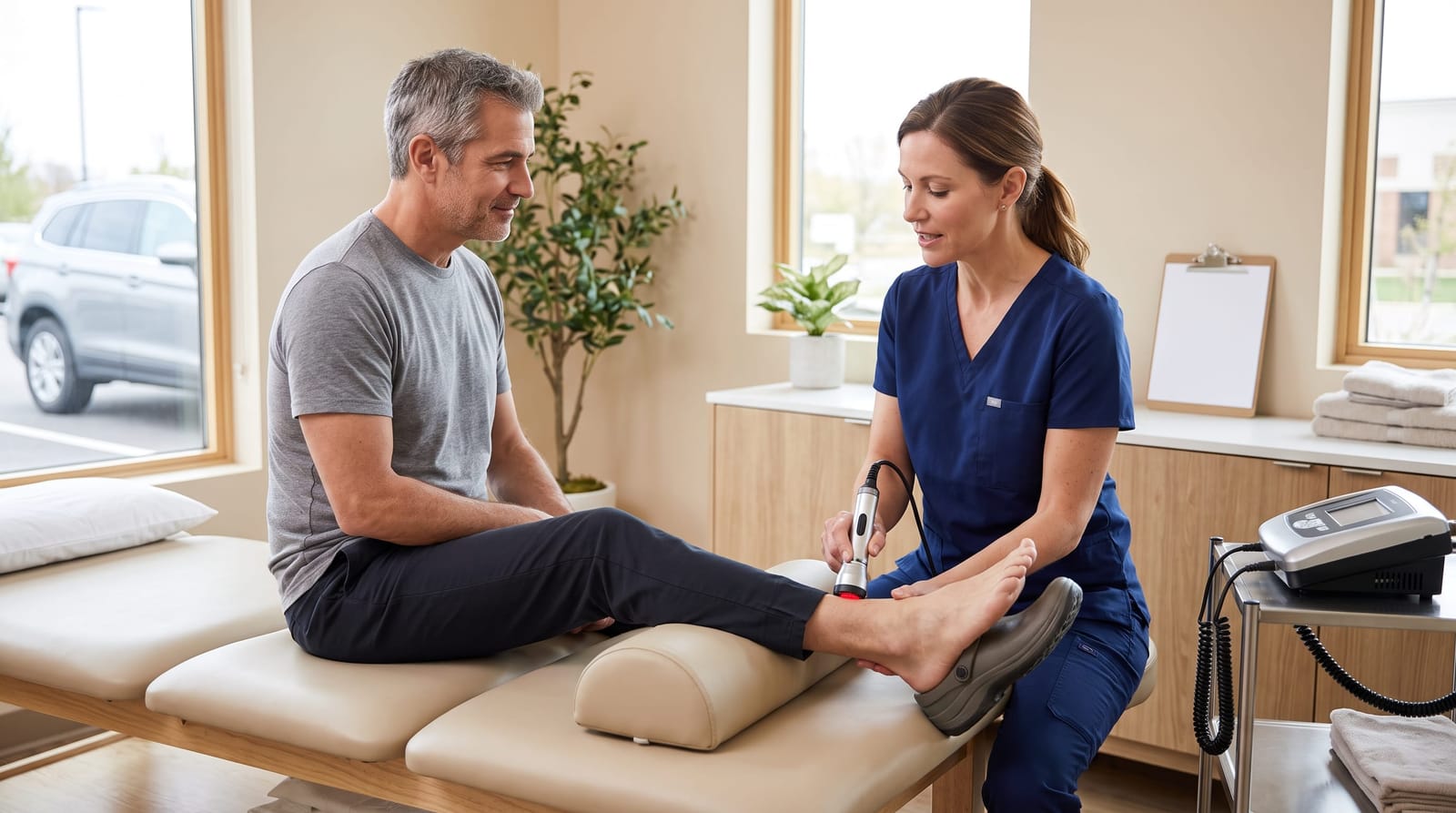
Conditions like Achilles tendinopathy, patellar tendinitis, rotator cuff injuries, and plantar fasciitis have all been studied in the context of cold laser therapy, with many studies showing clinically meaningful improvements in pain and function compared to control groups.
Arthritis and Joint Pain
Both osteoarthritis (the wear-and-tear variety) and rheumatoid arthritis involve significant inflammation and joint discomfort. Cold laser therapy has been studied as a supportive approach for managing symptoms in arthritic joints, particularly in the knees, hands, and spine. A systematic review published in the journal Lasers in Medical Science found that LLLT produced significant reductions in pain and morning stiffness in patients with rheumatoid arthritis compared to placebo treatments.
For osteoarthritis, particularly knee osteoarthritis, multiple studies have noted improvements in pain scores and functional mobility following a course of cold laser sessions. While it's important to understand that cold laser therapy does not reverse structural joint changes, its ability to reduce inflammation and support surrounding tissue health can make a real difference in daily comfort and movement.
Muscle Strains and Myofascial Pain
Muscle injuries and myofascial pain, the kind that involves trigger points and widespread muscle tension, are among the more common reasons patients seek chiropractic care. Cold laser therapy can help address both the acute discomfort of a muscle strain and the longer-term dysfunction that often develops when muscles don't fully recover. Studies have found that LLLT can reduce trigger point sensitivity and improve range of motion in patients with myofascial pain syndromes.
Nerve-Related Pain
Neuropathic pain conditions, those involving nerve irritation or damage, present a particularly challenging treatment puzzle. Cold laser therapy shows promise in this area by supporting nerve tissue repair and modulating pain signals. Conditions like carpal tunnel syndrome (which involves compression of the median nerve) have been the subject of specific research, which we'll explore in more detail below.
Carpal Tunnel Syndrome: One of Cold Laser's Best-Studied Applications
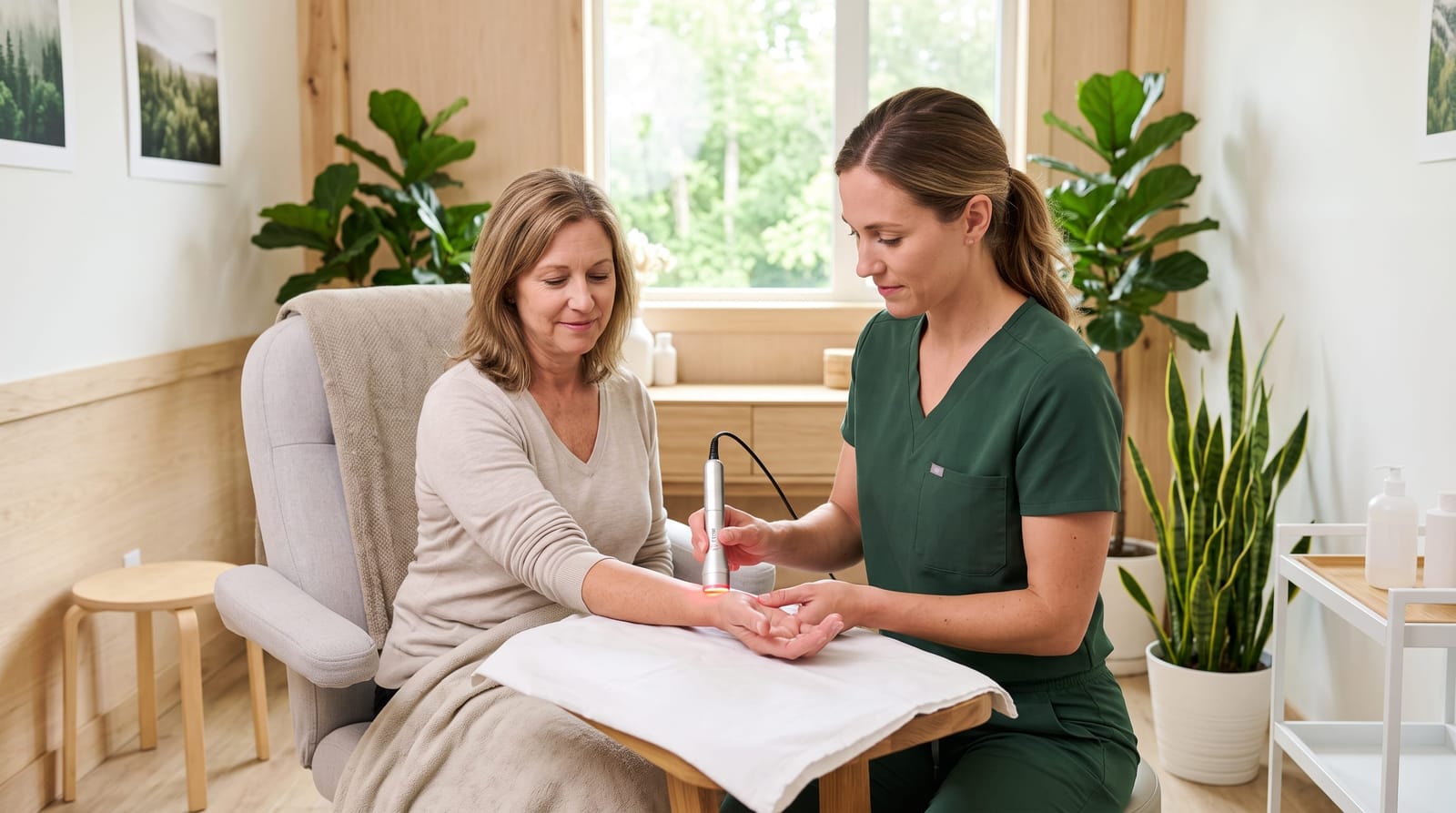
Carpal tunnel syndrome affects millions of people, particularly those who perform repetitive hand and wrist movements, whether in an office, on a factory floor, or in skilled trades. The hallmark symptoms, numbness, tingling, weakness, and pain in the hand and wrist, stem from compression of the median nerve as it passes through the carpal tunnel in the wrist.
Traditional management has ranged from wrist splinting and anti-inflammatory medications to corticosteroid injections and, in more severe cases, surgical release of the carpal tunnel. Cold laser therapy offers a non-invasive option that addresses both the nerve irritation and the surrounding tissue inflammation without medication or procedures.
Clinical research on cold laser therapy for carpal tunnel syndrome is encouraging. Several randomized controlled trials have compared LLLT to sham (placebo) treatments and found statistically significant improvements in pain intensity, symptom severity, and nerve conduction measurements in patients receiving active laser treatment. One frequently cited study found that patients receiving LLLT experienced meaningful reductions in both subjective pain and objective measures of nerve function.
At Prodigy Chiro Care, carpal tunnel cases are often approached as part of a broader musculoskeletal evaluation: examining not just the wrist but the entire kinetic chain, including the elbow, shoulder, and cervical spine, to address all potential contributing factors. This integrated approach can be particularly valuable for patients whose symptoms haven't fully resolved with isolated wrist treatments.
For a detailed look at the evidence and what to expect from treatment, see our comprehensive guide on cold laser therapy carpal tunnel.
Tennis Elbow and Repetitive Stress Injuries: Reducing Pain Without Downtime
Tennis elbow, medically known as lateral epicondylitis, is one of the most common repetitive stress injuries, and despite its name, it affects far more office workers, tradespeople, and hobbyists than actual tennis players. It develops when the tendons that attach to the outer elbow become irritated and inflamed from repetitive gripping, twisting, or lifting motions.
The condition can be genuinely limiting. Simple actions like shaking hands, lifting a coffee cup, or using a computer mouse can become uncomfortable. And because the affected tendons have limited blood supply, recovery without intervention tends to be slow and frustrating.
Cold laser therapy has been studied specifically for lateral epicondylitis with favorable results. A 2014 systematic review and meta-analysis found that LLLT provided significant short-term pain relief for patients with tennis elbow, with treated patients reporting meaningfully lower pain scores than control groups. The therapy appears to work through the same mechanisms described earlier: reducing localized inflammation, stimulating cellular repair in the tendon tissue, and modulating pain signals in the area.
One of the practical advantages of cold laser therapy for tennis elbow is that it doesn't require rest or downtime in the way that some other treatments do. Sessions are typically brief and comfortable, allowing patients to continue their daily activities and gradually return to full function as healing progresses.
Combined with soft tissue techniques and targeted rehabilitation guidance from a chiropractor, cold laser therapy can be a particularly effective component of a recovery plan for repetitive stress injuries. Learn more about the evidence and recovery timeline in our detailed post on cold laser treatment tennis elbow.
Back Pain, Neck Pain, and Spinal Conditions: Cold Laser as Part of a Multi-Modal Approach
Chronic back and neck pain are among the most prevalent health concerns in the United States, affecting roughly 80% of adults at some point in their lives. While the causes are diverse, ranging from disc herniation and degenerative changes to muscle imbalances and postural strain, cold laser therapy can be a valuable tool in the broader management of spinal pain conditions.
Supporting Disc and Nerve Conditions
When disc problems or spinal compression contribute to pain, including radiating pain into the arms or legs, cold laser therapy can be used to reduce inflammation around irritated nerve roots and support tissue recovery in the affected area. It's important to understand that cold laser therapy is generally one component of care for these conditions rather than a standalone solution.
At Prodigy Chiro Care, patients with spinal conditions often benefit most from a combination of therapies. Spinal decompression therapy, which gently reduces intradiscal pressure and creates favorable conditions for disc recovery, pairs naturally with cold laser therapy. While decompression helps address the structural factors contributing to nerve irritation, cold laser supports the tissue healing and inflammation reduction that makes recovery more comfortable and complete. Chiropractic adjustments can then help restore proper joint mobility and support alignment as the spine heals.
Chronic Neck and Upper Back Pain
Research into LLLT for neck pain has been positive. A Cochrane review, one of the gold standards in evidence-based medicine, found moderate evidence that LLLT reduces pain immediately after treatment and at short-term follow-up compared to sham therapy in patients with chronic neck pain. This type of finding matters because it comes from rigorous analysis of multiple high-quality studies rather than a single trial.
For patients dealing with the combination of neck pain, headaches, and upper back tension, a common pattern in today's screen-heavy lifestyles, cold laser therapy can complement chiropractic care in meaningful ways, helping to reduce muscle guarding and tissue irritation that perpetuate the pain cycle.
What Makes Cold Laser Equipment and Protocols Matter
Not all cold laser therapy is equivalent. The effectiveness of treatment depends significantly on the quality of the equipment, the wavelengths used, the power output, and the treatment protocols applied. This is an area where choosing the right provider genuinely matters.
Understanding Laser Parameters
Cold lasers are characterized by their wavelength (measured in nanometers) and their power output (measured in milliwatts or watts). Different wavelengths penetrate tissue to different depths: near-infrared wavelengths in the 800-1000nm range penetrate more deeply than visible red wavelengths, making them more suitable for reaching joints, deep tendons, and spinal structures. Higher-class therapeutic lasers can deliver therapeutic doses of energy more efficiently, potentially requiring fewer sessions to achieve meaningful results.
Lower-powered devices, sometimes used in less specialized settings, may require more sessions to deliver equivalent therapeutic doses, and in some cases, may not be powerful enough to reach the depth required for certain conditions.
Protocol Matters as Much as Equipment
Even excellent equipment produces modest results without appropriate treatment protocols. A knowledgeable provider will consider the condition being treated, the tissue type involved, the stage of healing, and the individual patient's response when designing a treatment plan. This is why the provider's training and clinical experience are just as important as the technology they use.
At Prodigy Chiro Care, advanced cold laser technology is integrated within a comprehensive assessment process. Treatment protocols are tailored to each patient's presentation rather than applied as a one-size-fits-all approach, and cold laser is positioned as part of a broader care plan that may include spinal decompression, chiropractic manipulation, soft tissue therapy, and rehabilitation guidance.
How Many Sessions Does It Take? Setting Realistic Expectations
One of the most common questions patients ask about cold laser therapy is how quickly they can expect to notice results, and how many sessions they'll need. The honest answer is that it varies, and anyone who promises a specific outcome on a specific timeline without evaluating your individual situation is overpromising.
That said, some general patterns do emerge from the research and clinical experience:
- Acute conditions (recent injuries with active inflammation) often respond more quickly than chronic conditions that have been present for months or years.
- Superficial conditions (such as skin-level soft tissue injuries) may show response sooner than deeper structural conditions involving discs or joints.
- Most research protocols involve somewhere between 6 and 15 sessions, often delivered multiple times per week in the early stages of care, then tapering as improvement is established.
- Some patients notice changes within the first few sessions, while others experience a more gradual improvement over several weeks of consistent care.
It's also worth noting that cold laser therapy is generally not a "one and done" treatment for most musculoskeletal conditions. Like physical therapy exercises or chiropractic adjustments, it tends to work as part of an ongoing therapeutic process rather than producing immediate, permanent results after a single visit.
For a detailed breakdown of session frequency, timing, and what to monitor as you progress through care, our dedicated guide on how many cold laser therapy sessions you need covers this topic thoroughly.
Safety, Side Effects, and Who Should Consider It
Cold laser therapy has an excellent safety profile, which is one of the reasons it has gained growing acceptance among healthcare providers across specialties. Because it is non-invasive and does not generate significant heat, the risks associated with cold laser therapy are minimal compared to many conventional treatment options.
Common Experiences During and After Treatment
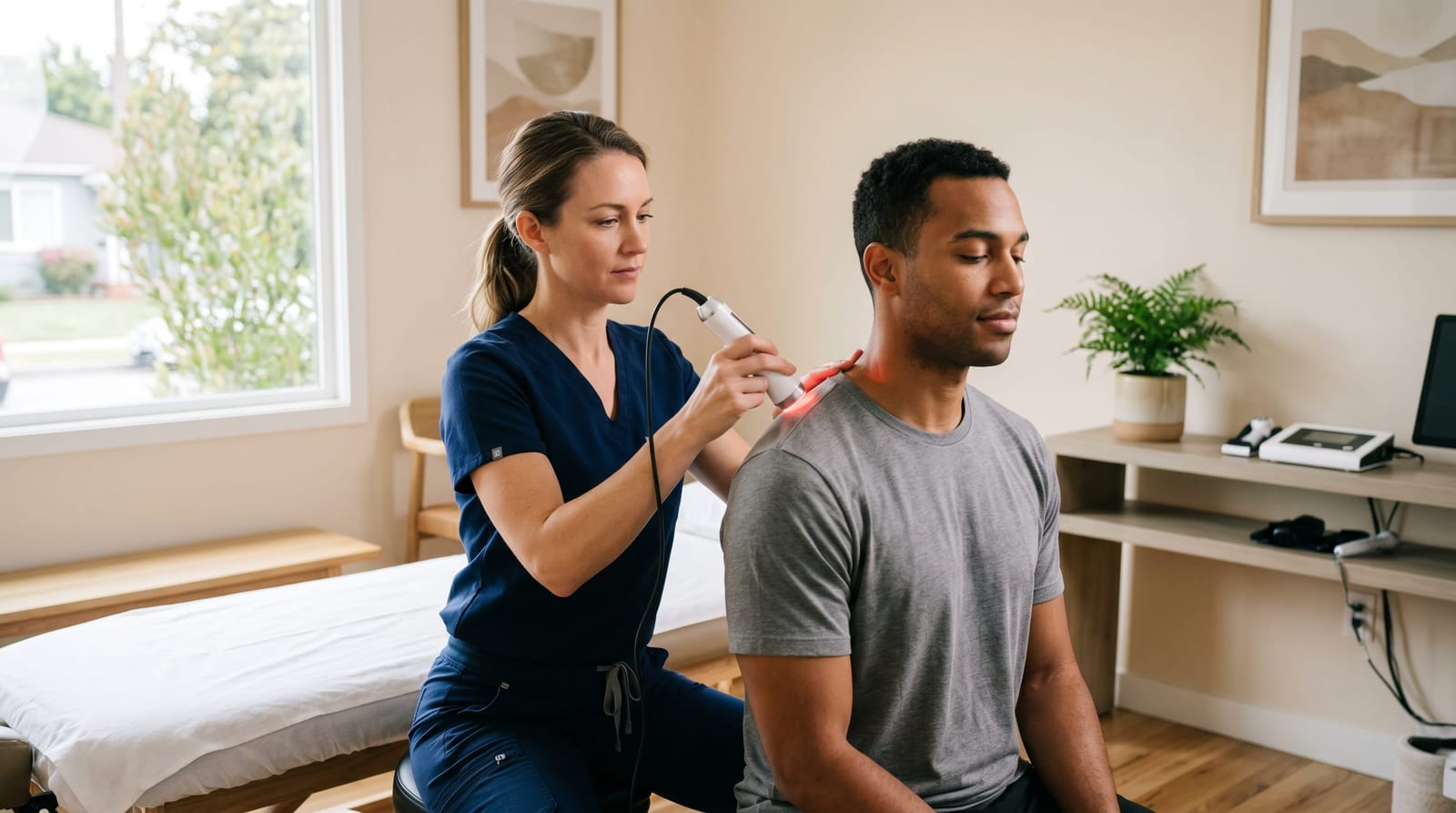
Most patients describe cold laser therapy sessions as comfortable and painless, often simply feeling the gentle pressure of the handheld device on the skin. Some patients notice a mild warmth or tingling sensation during treatment, which is generally well-tolerated. After sessions, a small number of patients experience a temporary mild increase in soreness in the treated area before improvement sets in: a response sometimes described as a "healing reaction" that typically resolves within 24 to 48 hours.
Who Should Exercise Caution
While cold laser therapy is appropriate for a wide range of patients, there are certain situations where it may not be recommended or where additional care is warranted. These include treatment directly over areas of active cancer or malignancy, treatment over the eyes (which is why protective eyewear is standard practice during sessions), pregnant patients (treatment over the abdomen or lower back), and patients with certain photosensitive conditions or those taking photosensitizing medications.
A thorough intake process with your provider will identify any factors that might affect whether cold laser therapy is appropriate for you. This is part of why working with a qualified, experienced provider matters, not just for effectiveness, but for appropriate patient selection and safety.
For a comprehensive look at the safety evidence and long-term use considerations, explore our detailed resource on cold laser therapy side effects.
FDA Approval and Regulatory Status: What It Means for You
A natural question for patients considering cold laser therapy is whether it's an officially recognized and approved treatment, and the answer requires a bit of nuance to understand correctly.
The FDA has cleared a number of cold laser therapy devices for use in the United States. It's important to understand the distinction between FDA "clearance" (which indicates a device is substantially equivalent to a legally marketed device in terms of safety and effectiveness) and FDA "approval" (which involves a more extensive review process). Many cold laser devices have received FDA clearance for specific applications, including the treatment of certain pain conditions and minor musculoskeletal issues.
The regulatory landscape is nuanced, and understanding what clearance means in practical terms can help patients make more informed decisions about their care. This is a topic we explore in depth in our dedicated post on whether cold laser therapy FDA approved status means for patients seeking this treatment.
Deep Dive Topics: Explore the Full Picture
This pillar guide provides a comprehensive overview of cold laser therapy effectiveness across conditions. For patients who want to go deeper into specific areas, our detailed topic guides cover each subject with the thoroughness it deserves. Here's what you'll find in our connected resource library:
- FDA Approval and Regulatory Status: Understanding what FDA clearance means for cold laser devices, how devices are classified, and what this tells you about the legitimacy of the treatment. Read our full guide on cold laser therapy FDA approved status and what it means for patients.
- Carpal Tunnel Syndrome: A condition-specific look at the clinical evidence for cold laser therapy in managing carpal tunnel symptoms, what the research shows about nerve function improvements, and what a treatment course typically involves. Explore our complete guide to cold laser therapy carpal tunnel applications and outcomes.
- Tennis Elbow and Lateral Epicondylitis: An in-depth examination of how cold laser therapy targets the tendon inflammation and pain associated with tennis elbow, what the evidence says about recovery timelines, and how it compares to other conservative treatment approaches. Read everything about cold laser treatment tennis elbow recovery.
- Session Frequency and Treatment Duration: A practical guide to understanding how many sessions most conditions require, what variables influence the treatment timeline, and how to know whether your plan is progressing appropriately. Get the details on how many cold laser therapy sessions are typically needed.
- Safety and Long-Term Use: A thorough review of the safety profile of cold laser therapy, documented side effects, contraindications, and what the research shows about long-term use. Review the evidence on cold laser therapy side effects and safety considerations.
Conclusion: Is Cold Laser Therapy Right for Your Condition?
Cold laser therapy has earned its place as a credible, well-researched option for patients dealing with a range of musculoskeletal pain conditions. From carpal tunnel syndrome and tennis elbow to chronic back pain and arthritic joints, the clinical evidence supports its ability to reduce inflammation, support tissue repair, and help manage discomfort in meaningful ways.
What's equally important to understand is that cold laser therapy works best as part of a thoughtfully designed, individualized care plan, not as an isolated quick fix. The quality of the equipment, the expertise of the provider, and the integration of complementary therapies all influence what patients actually experience.
At Prodigy Chiro Care, cold laser therapy is offered as part of a comprehensive approach to musculoskeletal wellness that may also include spinal decompression, chiropractic care, and personalized rehabilitation support. Every care plan begins with a thorough evaluation of your specific concerns, history, and goals, because the most effective care is always the care that's designed for you.
If you're ready to learn whether cold laser therapy may be a good fit for what you're experiencing, we invite you to reach out to our team. A conversation with one of our providers is a great first step toward understanding your options and feeling confident in the path forward.