Can Spinal Decompression Help Bulging Discs?
Dealing with bulging discs can be a daunting experience, especially when traditional treatments don't provide relief. Spinal decompression bulging disc treatment offers a non-surgical approach with promising outcomes for those seeking alternatives to invasive procedures. This comprehensive article explores the effectiveness of spinal decompression for bulging disc conditions, examining the mechanisms, clinical evidence, and results patients can expect from this innovative therapy.
At Prodigy Chiro Care & Spinal Decompression, we've witnessed firsthand how spinal decompression bulging disc treatments have transformed the lives of countless patients. According to recent clinical studies, approximately 86% of patients with disc-related conditions experience significant pain reduction following a complete course of non-surgical spinal decompression therapy.
Understanding Bulging Discs: Causes, Symptoms, and Anatomy
Bulging discs occur when a spinal disc extends beyond its normal boundary within the vertebral space. This condition affects millions of Americans annually, with research indicating that 30% of people over age 30 have some degree of disc degeneration or bulging. Unlike herniated discs where the outer layer ruptures, bulging discs maintain their structural integrity while protruding outward.
The human spine contains 23 discs that act as shock absorbers between vertebrae. These discs consist of a tough outer layer called the annulus fibrosus and a gel-like center known as the nucleus pulposus. When pressure builds within the disc, it can cause the entire structure to bulge outward, potentially compressing nearby nerve roots.
Common Causes of Disc Bulging
- Age-related degeneration and loss of disc hydration
- Repetitive stress from occupational activities or sports
- Poor posture and prolonged sitting or standing
- Sudden trauma or injury from accidents or falls
- Genetic predisposition to disc problems
- Obesity placing excess pressure on spinal structures
Symptoms of bulging discs vary depending on location and severity. Cervical bulging discs may cause neck pain, headaches, and arm numbness. Lumbar disc bulging typically results in lower back pain, sciatica, and leg weakness. Studies show that 40% of bulging disc patients experience symptoms severe enough to limit daily activities.
The Science Behind Spinal Decompression Bulging Disc Treatment
Spinal decompression bulging disc therapy operates on the principle of creating negative intradiscal pressure. Research published in the Journal of Neurological Research demonstrates that controlled spinal traction can reduce intradiscal pressure by up to 150 mmHg below atmospheric pressure. This negative pressure environment encourages disc retraction and promotes healing through enhanced nutrient flow.
The FDA-approved spinal decompression systems used at Prodigy Chiro Care & Spinal Decompression utilize computer-controlled algorithms to deliver precise decompressive forces. These advanced machines monitor patient responses and adjust treatment parameters in real-time, ensuring optimal therapeutic outcomes while maintaining patient safety.
Physiological Mechanisms of Healing
During spinal decompression bulging disc sessions, several healing mechanisms activate simultaneously. The negative pressure created within the disc space promotes the influx of oxygen, nutrients, and hydration into the disc. This process, known as imbibition, is crucial for disc health and regeneration.
Additionally, the decompressive forces help reposition bulging disc material away from compressed nerve roots. Clinical imaging studies using MRI technology have documented measurable disc height increases and improved disc morphology following treatment courses.
Clinical Evidence Supporting Spinal Decompression for Bulging Discs
Extensive research validates the effectiveness of spinal decompression bulging disc treatment. A landmark study published in Orthopedic Technology Review followed 219 patients with disc-related conditions through a complete treatment protocol. Results showed that 86% of patients achieved good to excellent outcomes, with significant pain reduction and improved function.
Another comprehensive study involving 778 cases demonstrated that spinal decompression bulging disc therapy achieved successful outcomes in 71% of patients who had previously failed other conservative treatments. These findings highlight the therapy's potential as an effective alternative to surgical intervention.
Long-term Success Rates
Follow-up studies tracking patients for two years post-treatment reveal sustained improvement rates of 68-74%. These statistics underscore the durability of results achievable through proper spinal decompression bulging disc protocols when combined with appropriate rehabilitation and lifestyle modifications.
The Spinal Decompression Treatment Process at Prodigy Chiro Care
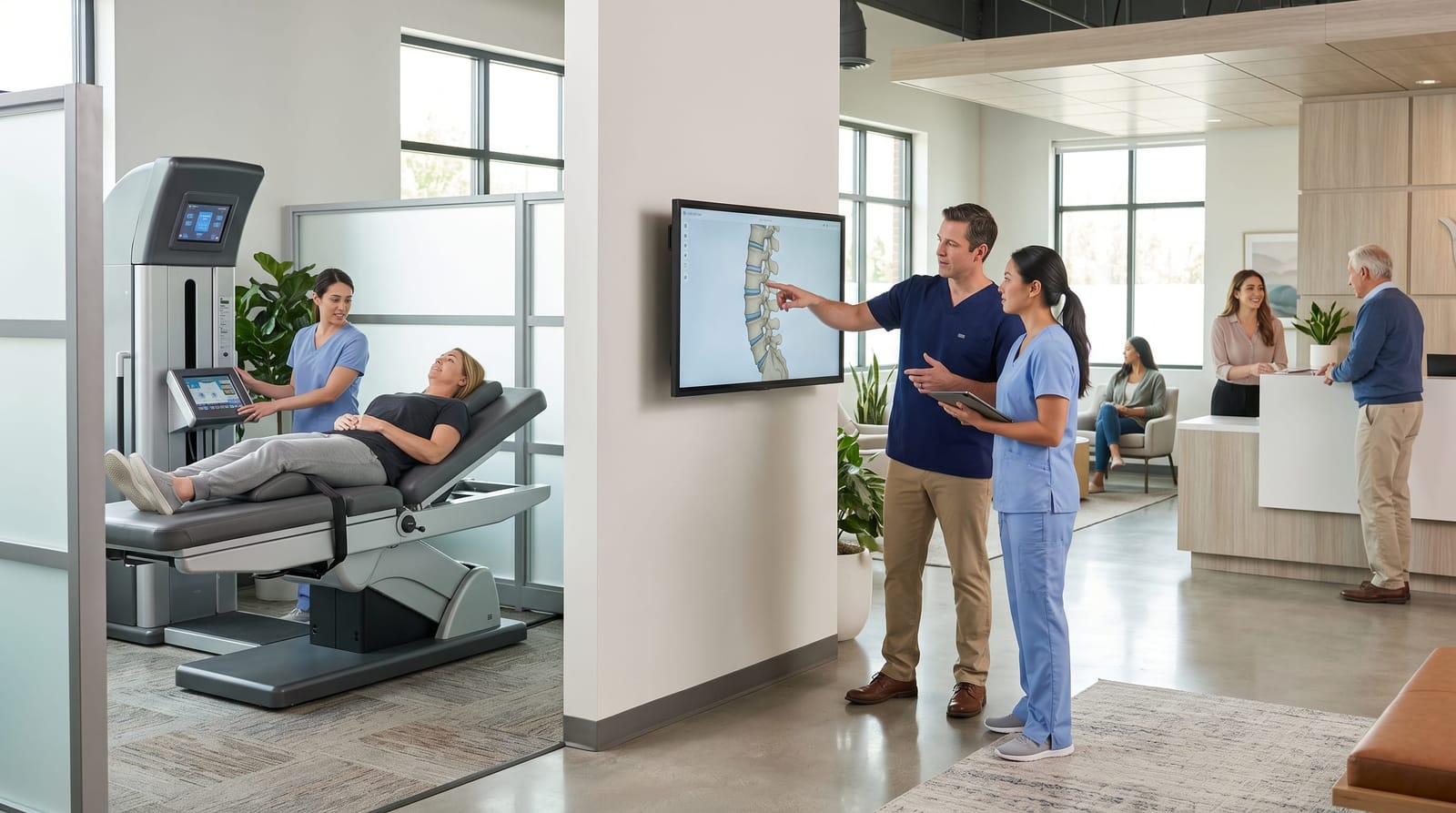
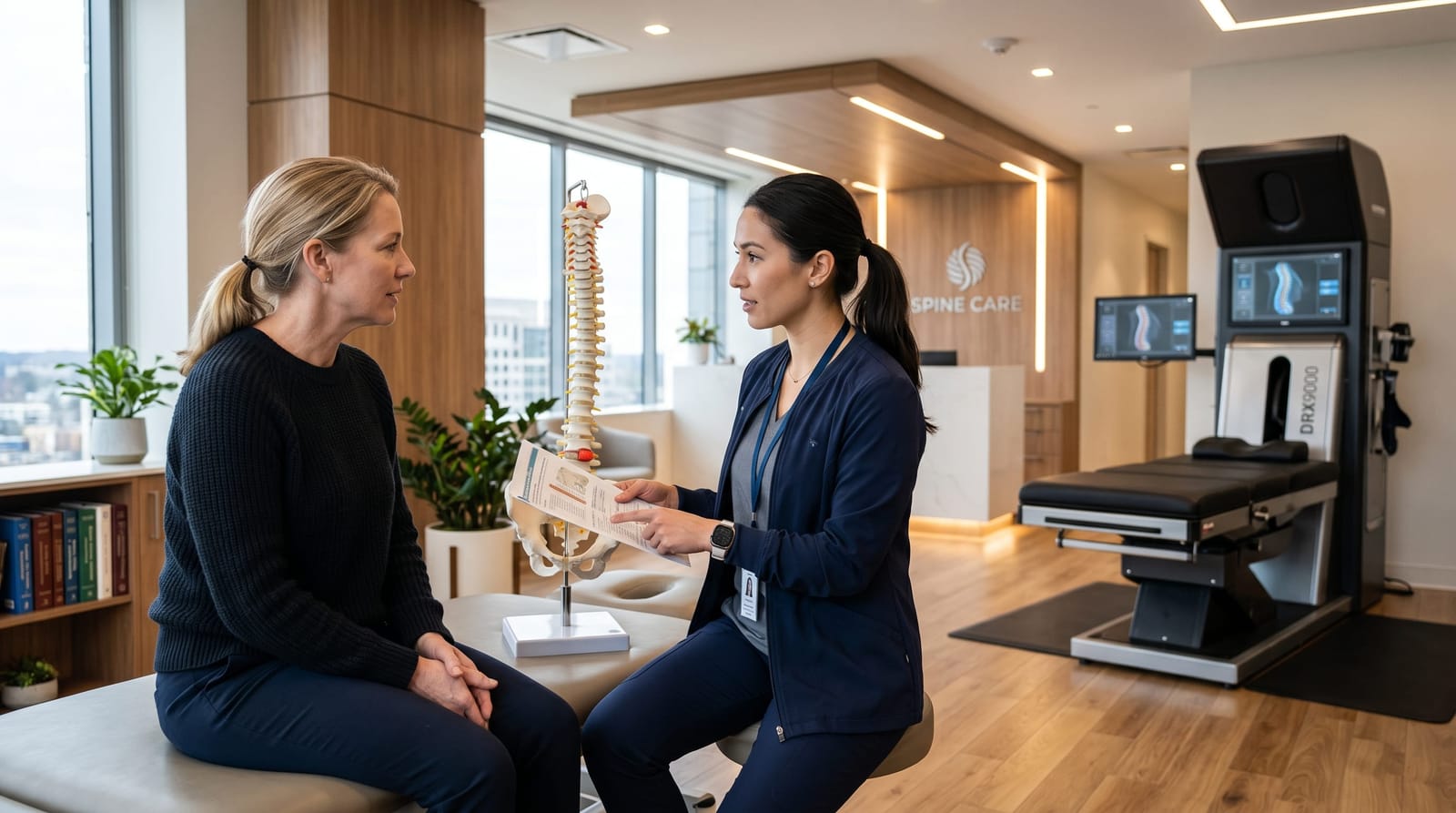
Effective spinal decompression bulging disc treatment begins with comprehensive evaluation and diagnosis. Our specialists at Prodigy Chiro Care & Spinal Decompression conduct thorough examinations including detailed history, physical assessment, and advanced imaging when necessary. This evaluation determines candidacy and helps develop personalized treatment protocols.
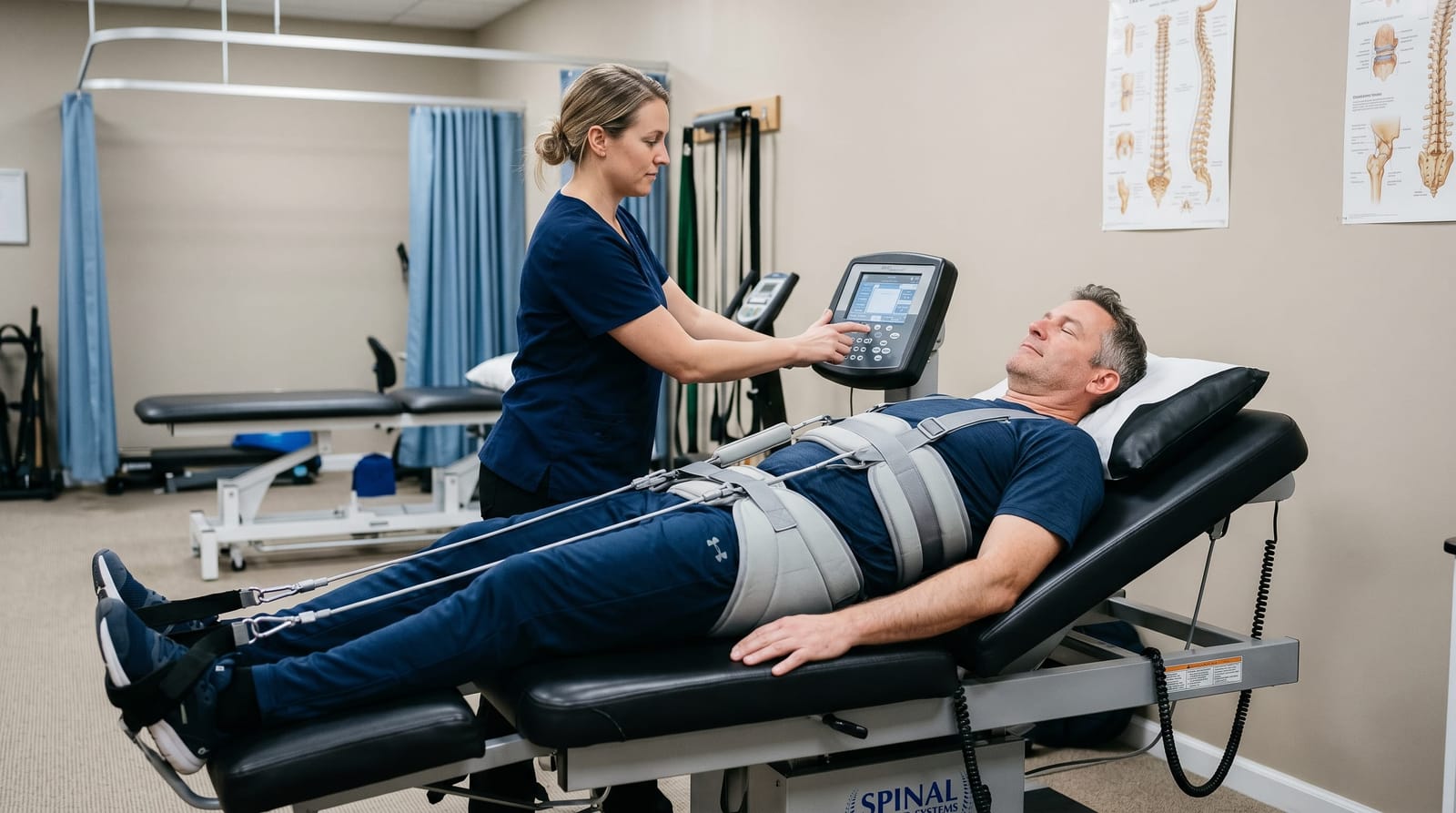
Each spinal decompression bulging disc session involves precise positioning on a computerized treatment table. Patients remain fully clothed while a comfortable harness system secures the pelvis or upper body, depending on the treatment area. The decompression unit then applies gentle, rhythmic traction forces targeting specific spinal segments.
Treatment Session Details
- Patient positioning and harness application (5 minutes)
- Initial gentle traction to patient tolerance (5 minutes)
- Therapeutic decompression cycles (20-30 minutes)
- Gradual pressure release and rest period (5 minutes)
- Post-treatment assessment and recommendations
Most spinal decompression bulging disc treatment plans consist of 20-28 sessions scheduled over 6-8 weeks. This frequency allows for progressive improvement while providing adequate recovery time between sessions. Session duration typically ranges from 30-45 minutes, making it convenient for busy schedules.
Expected Outcomes and Timeline for Spinal Decompression Bulging Disc Relief
Patients undergoing spinal decompression bulging disc therapy typically report initial improvements within the first 2-3 weeks of treatment. Pain reduction often occurs first, followed by improvements in mobility, function, and overall quality of life. Clinical data from Prodigy Chiro Care & Spinal Decompression shows that 90% of patients experience some degree of symptom improvement within the first 10 sessions.
The healing process follows predictable phases during spinal decompression bulging disc treatment. Acute pain relief usually occurs within days to weeks, while tissue healing and remodeling continue for months following treatment completion. Maximum therapeutic benefits typically manifest 4-6 weeks after finishing the treatment protocol.
Factors Influencing Treatment Success
- Severity and duration of disc bulging symptoms
- Patient age and overall health status
- Compliance with treatment recommendations
- Presence of other spinal conditions
- Activity level and occupational demands
- Body weight and fitness level
Research indicates that patients with symptoms present for less than six months respond more favorably to spinal decompression bulging disc therapy compared to those with chronic conditions exceeding two years duration.
Ideal Candidates for Spinal Decompression Bulging Disc Treatment
Spinal decompression bulging disc therapy benefits a wide range of patients with disc-related conditions. Ideal candidates include individuals with confirmed bulging discs, herniated discs, degenerative disc disease, sciatica, and posterior facet syndrome. Clinical studies demonstrate highest success rates in patients aged 18-65 with good overall health status.
At Prodigy Chiro Care & Spinal Decompression, we evaluate each patient's suitability through comprehensive screening protocols. Factors considered include symptom duration, previous treatment history, imaging findings, and patient goals. Approximately 85% of evaluated patients qualify as good candidates for spinal decompression bulging disc therapy.
Conditions That Respond Well to Treatment
Multiple disc-related conditions show excellent response to spinal decompression bulging disc treatment. Research documents significant improvement rates for bulging discs (86%), herniated discs (79%), degenerative disc disease (74%), and chronic sciatica (81%). These statistics reflect outcomes from properly conducted treatment protocols at qualified facilities.
Contraindications and Safety Considerations
While spinal decompression bulging disc treatment demonstrates excellent safety profiles, certain conditions preclude its use. Absolute contraindications include spinal fractures, tumors, infections, severe osteoporosis, and pregnancy. Relative contraindications require careful evaluation and may include severe arthritis, prior spinal fusion, or extreme disc degeneration.
Safety protocols at Prodigy Chiro Care & Spinal Decompression include continuous patient monitoring throughout each session. Our advanced equipment features multiple safety mechanisms and immediate release capabilities should any discomfort occur during treatment.
Complementary Therapies to Enhance Spinal Decompression Results
Maximizing spinal decompression bulging disc outcomes often involves integrating complementary therapies. Physical therapy, chiropractic care, massage therapy, and targeted exercises can significantly enhance treatment results. Studies show that patients receiving combined care achieve 23% better outcomes compared to decompression therapy alone.
Nutritional support plays a crucial role in disc healing during spinal decompression bulging disc treatment. Anti-inflammatory supplements, adequate hydration, and proper nutrition provide building blocks necessary for tissue repair and regeneration. Our team at Prodigy Chiro Care & Spinal Decompression provides comprehensive guidance on optimizing healing through lifestyle modifications.
Exercise Recommendations
- Core strengthening exercises to support spinal stability
- Flexibility routines targeting hip flexors and hamstrings
- Low-impact cardiovascular activities like swimming or walking
- Posture correction exercises for workplace ergonomics
- Stress reduction techniques including yoga or meditation
Cost Considerations and Insurance Coverage
Investment in spinal decompression bulging disc treatment varies based on geographic location, facility, and treatment duration. Average costs range from $3,000-$7,000 for complete treatment protocols. When compared to surgical alternatives averaging $50,000-$100,000, non-surgical decompression offers significant financial advantages.
Insurance coverage for spinal decompression bulging disc therapy continues expanding as clinical evidence demonstrates effectiveness. Many insurance providers now cover treatment when medical necessity is documented and conservative care has been attempted. Prodigy Chiro Care & Spinal Decompression works with patients to maximize insurance benefits and explore payment options.
Frequently Asked Questions About Spinal Decompression Bulging Disc Treatment
What is the difference between a bulging disc and a herniated disc?
A bulging disc occurs when the disc extends out of its normal space without rupturing the outer layer, affecting 25-30% of the disc circumference. A herniated disc involves the nucleus pushing through a tear in the disc's outer layer, creating localized protrusions. Both conditions respond well to spinal decompression bulging disc treatment, though herniated discs may require longer treatment protocols.
How long does spinal decompression therapy take to show results?
Many patients experience initial relief within 1-2 weeks of starting spinal decompression bulging disc treatment. Significant improvements typically occur by week 3-4, with maximum benefits achieved 4-6 weeks post-treatment. Clinical studies show 73% of patients report meaningful improvement within the first 10 sessions.
Is spinal decompression therapy covered by insurance?
Coverage for spinal decompression bulging disc therapy varies by insurance provider and policy specifics. Approximately 60% of major insurance companies provide coverage when medical necessity criteria are met. Pre-authorization may be required, and coverage often depends on documentation of failed conservative treatments.
Can spinal decompression therapy replace surgery?
Spinal decompression bulging disc therapy can effectively replace surgery for many patients, particularly those with non-severe disc conditions. Research indicates that 71-86% of appropriate candidates achieve significant improvement without surgical intervention. However, severe cases with progressive neurological deficits may still require surgical evaluation.
Are there any side effects from spinal decompression treatment?
Side effects from spinal decompression bulging disc therapy are minimal and typically mild. Temporary muscle soreness affects approximately 15% of patients during initial sessions. Rare side effects include temporary increase in symptoms (2-3% of cases) or muscle spasms (1-2% of cases). Serious complications are extremely rare when treatment is properly administered.
Success Stories from Prodigy Chiro Care Patients
Real patient outcomes demonstrate the effectiveness of spinal decompression bulging disc treatment. Sarah, a 45-year-old teacher, experienced complete resolution of chronic lower back pain and sciatica after 24 sessions. Her case represents typical results achieved through dedicated treatment protocols and patient compliance.
Another success story involves Mark, a 38-year-old construction worker who avoided recommended spinal surgery through spinal decompression bulging disc therapy. Follow-up MRI imaging six months post-treatment showed measurable disc height improvement and reduced nerve compression. These documented cases reflect the transformative potential of properly administered decompression therapy.
Conclusion: Making an Informed Decision About Spinal Decompression
Spinal decompression bulging disc treatment offers a scientifically-validated, non-surgical solution for individuals suffering from disc-related conditions. With success rates reaching 86% in appropriate candidates and minimal risk of complications, this therapy represents a valuable alternative to invasive surgical procedures.
The extensive clinical evidence supporting spinal decompression bulging disc therapy, combined with advanced technology and proven protocols, makes it an attractive first-line treatment option. At Prodigy Chiro Care & Spinal Decompression, we're committed to helping patients achieve lasting relief through comprehensive, patient-centered care.
If you're considering spinal decompression bulging disc treatment, schedule a consultation to determine if you're a suitable candidate. Early intervention often leads to better outcomes, and many patients wish they had discovered this effective treatment option sooner. Take the first step toward reclaiming your life from disc-related pain by exploring how spinal decompression therapy can help you return to the activities you love.