What Causes Sciatica? Understanding Nerve Pain Origins
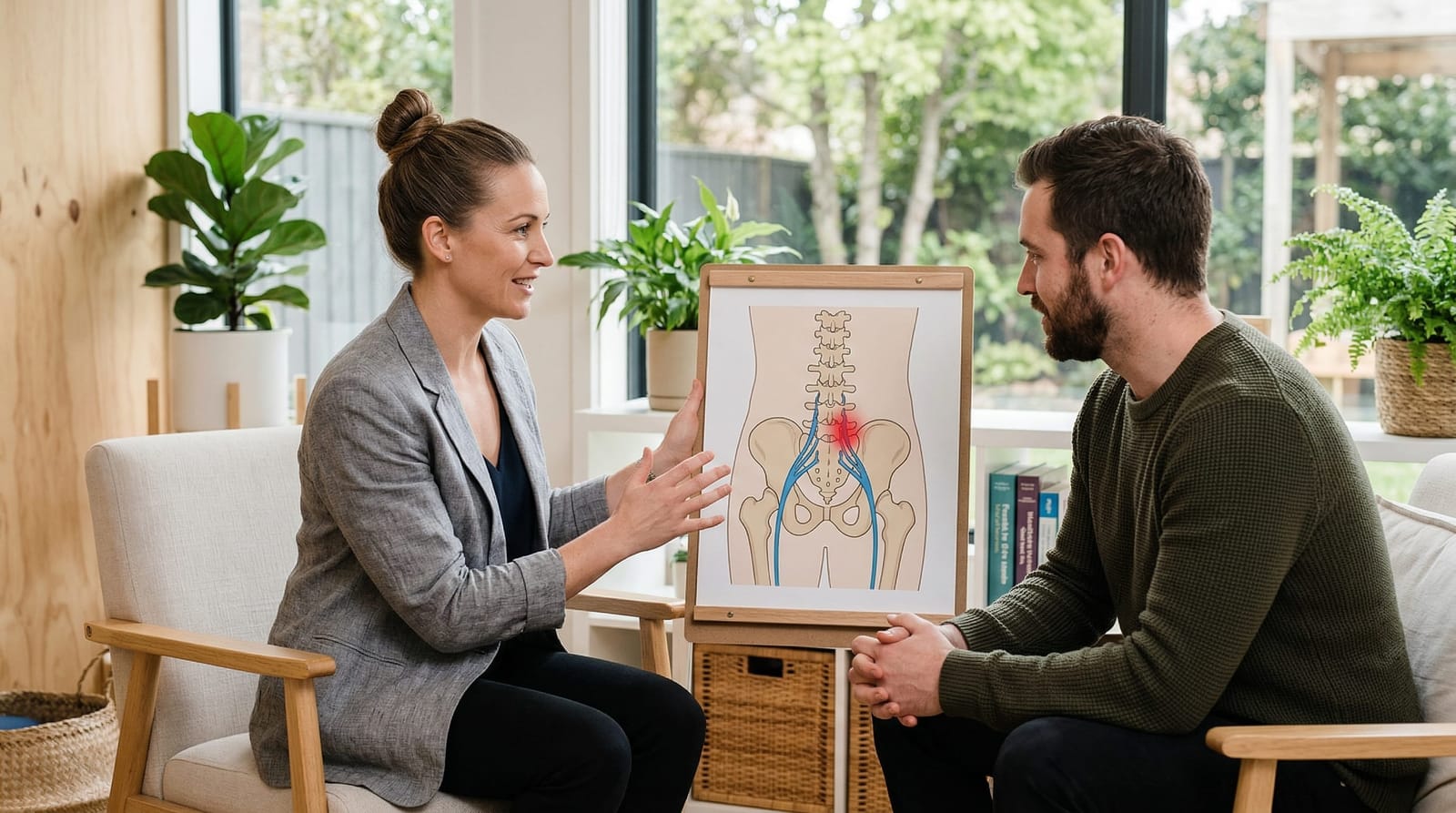
If you're experiencing sharp, shooting pain that radiates from your lower back down through your leg, you may be dealing with sciatica. Understanding what causes sciatica is crucial for anyone seeking effective sciatica treatment in Los Angeles, as accurate diagnosis of the underlying cause directly influences the most appropriate treatment approach. While sciatica is often described as a single condition, it's actually a collection of symptoms resulting from various underlying problems that affect the sciatic nerve - the longest nerve in your body.
The sciatic nerve originates from nerve roots in your lower spine and travels through your buttocks and down each leg. When this nerve becomes compressed, irritated, or inflamed, it triggers the characteristic pain, numbness, and tingling that defines sciatica. What causes sciatica can range from common spinal conditions to less obvious muscular issues, and identifying the specific cause is essential for developing an effective treatment plan that addresses the root problem rather than just masking symptoms.
The Anatomy Behind What Causes Sciatica
To understand what causes sciatica, it's important to first grasp the anatomy involved. The sciatic nerve is formed by nerve roots that exit the spinal cord at the L4, L5, S1, S2, and S3 vertebral levels. These nerve roots combine to form two main branches that travel through the pelvis, past the piriformis muscle, and down each leg to provide sensation and motor function to the lower extremities.
When any structure along this pathway becomes compromised, it can result in sciatica symptoms. The nerve pathway travels through several anatomical regions where compression or irritation commonly occurs:
- The spinal canal where nerve roots exit the spine
- The foramen (openings between vertebrae)
- The piriformis muscle in the buttock area
- Various points along the leg where the nerve branches
What causes sciatica often involves mechanical compression at one or more of these locations. The sciatic nerve's extensive pathway means that problems in multiple areas can contribute to symptoms, which is why comprehensive evaluation is crucial for determining the primary source of nerve irritation.
Herniated Discs: The Most Common Cause
Herniated or bulging discs represent the most frequent answer to what causes sciatica, accounting for approximately 90% of cases. The intervertebral discs act as cushions between your vertebrae, consisting of a tough outer layer (annulus fibrosus) and a gel-like center (nucleus pulposus). When the outer layer weakens or tears, the inner material can protrude and press against nearby nerve roots.
How Disc Herniation Develops
Several factors contribute to disc herniation and subsequent sciatica:
- Age-related degeneration that weakens disc walls
- Repetitive lifting with poor body mechanics
- Sudden movements or trauma
- Prolonged sitting with poor posture
- Genetic predisposition to disc problems
When a disc herniates at the L4-L5 or L5-S1 levels (the most common locations), it directly compresses the nerve roots that form the sciatic nerve. The inflammation that accompanies disc herniation further irritates these sensitive nerve tissues, intensifying pain and other symptoms.
Types of Disc-Related Sciatica
Not all disc problems affect the sciatic nerve equally. A small, centrally located herniation may cause back pain without sciatica, while a posterolateral herniation (toward the side and back of the disc) is more likely to compress nerve roots and cause classic sciatica symptoms. Understanding these distinctions helps healthcare providers determine the most appropriate treatment approach for each individual case.
Spinal Stenosis and Nerve Compression
Spinal stenosis represents another significant factor in what causes sciatica, particularly in older adults. This condition involves the narrowing of spaces within the spine, creating pressure on the spinal cord and nerve roots. Lumbar spinal stenosis specifically affects the lower back region where sciatic nerve roots originate.
The narrowing can occur in several areas:
- Central canal stenosis - narrowing of the main spinal canal
- Lateral recess stenosis - narrowing where nerve roots exit the spinal canal
- Foraminal stenosis - narrowing of the openings between vertebrae
Causes of Spinal Stenosis
What causes sciatica through spinal stenosis typically involves degenerative changes that develop over time. Arthritis in the spine leads to bone spur formation, ligament thickening, and joint enlargement. These changes gradually reduce the available space for nerve structures, eventually creating enough compression to trigger sciatica symptoms.
Unlike acute disc herniation, stenosis-related sciatica often develops gradually and may worsen with certain positions or activities. Walking downhill or standing for extended periods typically aggravates symptoms, while sitting or leaning forward often provides relief.
Piriformis Syndrome: The Muscle Connection
Piriformis syndrome offers a different perspective on what causes sciatica, demonstrating that nerve compression doesn't always originate from spinal structures. The piriformis muscle, located deep in the buttock region, helps stabilize the hip and rotate the thigh. In most people, the sciatic nerve passes underneath this muscle, but anatomical variations exist where the nerve travels through or over the muscle.
Development of Piriformis Syndrome
Several factors can cause the piriformis muscle to become tight, inflamed, or spasmodic:
- Prolonged sitting, especially with poor posture
- Hip muscle imbalances
- Direct trauma to the buttock area
- Overuse from repetitive activities
- Structural abnormalities in the hip or pelvis
When the piriformis muscle becomes problematic, it can compress or irritate the sciatic nerve, creating symptoms that closely mimic disc-related sciatica. This similarity in presentation is why accurate diagnosis is crucial for determining what causes sciatica in each individual case.
Distinguishing Piriformis Syndrome
Piriformis syndrome often presents with specific characteristics that help differentiate it from other causes of sciatica. Pain typically worsens with sitting, especially on firm surfaces, and may improve with walking or changing positions. Certain movements that stretch or contract the piriformis muscle can reproduce or alleviate symptoms, providing diagnostic clues for healthcare providers.
Other Contributing Factors to Sciatica
While disc herniation, spinal stenosis, and piriformis syndrome represent the primary answers to what causes sciatica, several other conditions can contribute to or trigger sciatic nerve irritation.
Spondylolisthesis
This condition involves the forward slippage of one vertebra over another, most commonly at the L5-S1 level. The displacement can narrow the spinal canal or foramen, compressing nerve roots that contribute to the sciatic nerve. Spondylolisthesis may result from congenital defects, degenerative changes, or stress fractures in the vertebrae.
Pregnancy-Related Sciatica
Pregnancy can trigger sciatica through multiple mechanisms. The growing uterus can directly compress the sciatic nerve, while hormonal changes that relax ligaments may alter spinal alignment. Weight gain and postural changes during pregnancy also increase stress on the lower back and can contribute to disc problems or muscle tension.
Tumor and Infection
Though rare, tumors or infections affecting the spine can explain what causes sciatica in some cases. These serious conditions require immediate medical attention and typically present with additional symptoms such as unexplained weight loss, fever, or severe night pain that doesn't improve with position changes.
Lifestyle and Risk Factors
Several lifestyle factors increase the risk of developing conditions that cause sciatica:
- Sedentary lifestyle with prolonged sitting
- Poor physical conditioning
- Occupations requiring heavy lifting or prolonged driving
- Smoking, which reduces blood flow to spinal discs
- Obesity, which increases mechanical stress on the spine
The Importance of Accurate Diagnosis
Understanding what causes sciatica in your specific situation is essential for developing an effective treatment plan. Different underlying causes respond better to different treatment approaches, making accurate diagnosis a critical first step in the recovery process.
A comprehensive evaluation typically includes a detailed history, physical examination, and potentially imaging studies. Healthcare providers look for specific patterns in symptoms, physical findings, and diagnostic test results to determine the primary cause of nerve irritation. This thorough approach ensures that treatment addresses the root cause rather than just providing temporary symptom relief.
For those experiencing symptoms, a sciatica symptoms checklist can help identify key features that aid in diagnosis. Additionally, understanding whether you have left side vs right side sciatica can provide important diagnostic clues about the underlying cause.
When Professional Evaluation Is Necessary
While understanding what causes sciatica provides valuable insight, professional evaluation becomes essential when symptoms persist or worsen. Certain warning signs indicate the need for immediate medical attention, including severe pain that doesn't respond to rest, progressive weakness in the leg, or loss of bladder or bowel control.
Early intervention often leads to better outcomes and can prevent the development of chronic pain patterns. Healthcare providers can perform specific tests to identify the underlying cause and develop a targeted treatment plan that addresses your particular situation.
What causes sciatica varies significantly between individuals, but understanding the common mechanisms behind nerve irritation empowers you to make informed decisions about your care. Whether your symptoms stem from disc problems, spinal stenosis, piriformis syndrome, or other causes, accurate diagnosis guides effective treatment that can help you return to normal activities and prevent future episodes. If you're experiencing persistent sciatic nerve pain, don't delay in seeking professional evaluation to identify the specific cause and begin appropriate treatment.