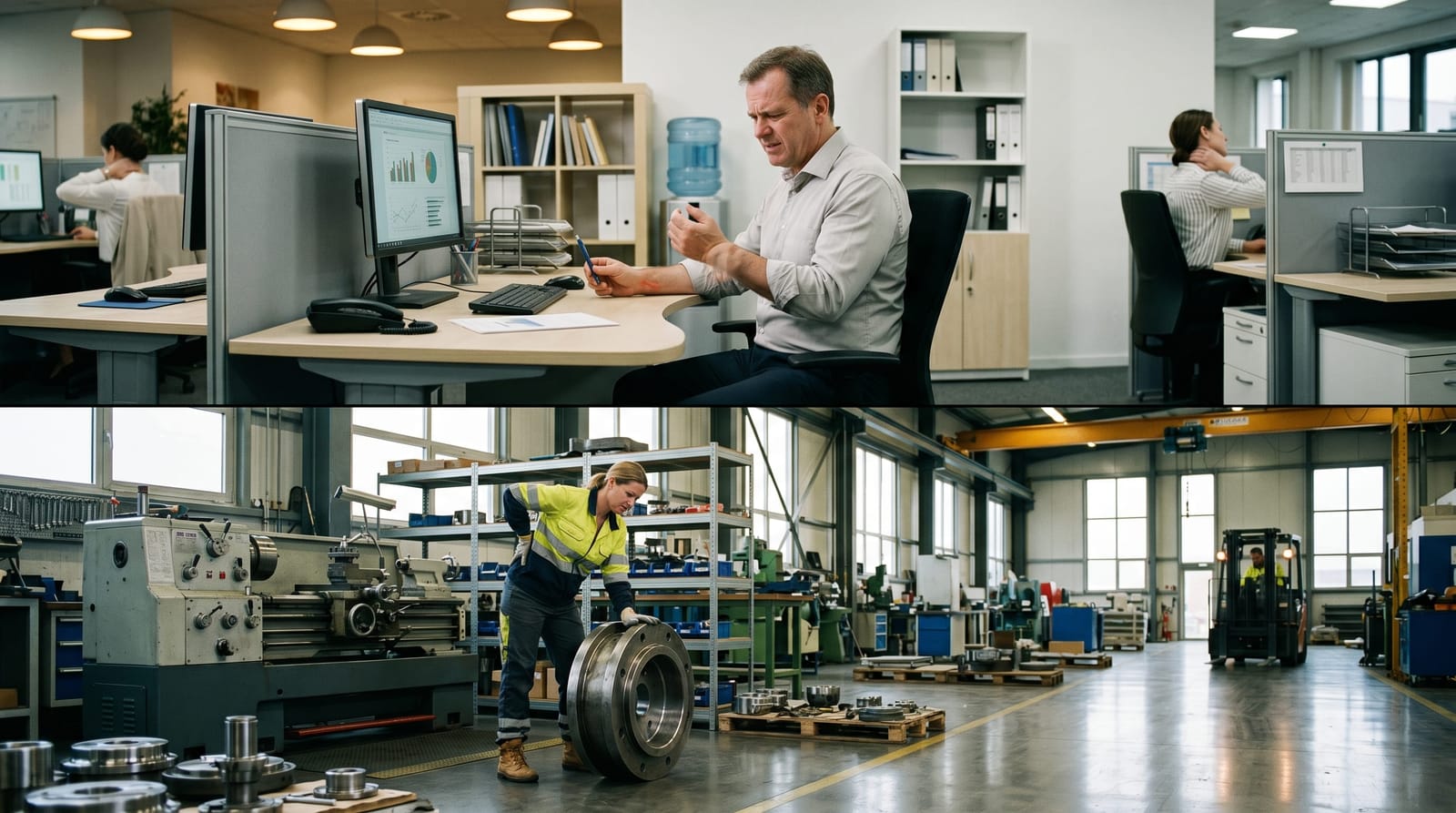
Preventing Work-Related Injuries: Ergonomics and Workplace Wellness

When it comes to work injury treatment in Los Angeles, the most effective approach is prevention. While comprehensive treatment programs are essential for helping professionals recover from workplace injuries, preventing these injuries from occurring in the first place saves both time and productivity. Workplace injuries cost U.S. employers over $170 billion annually in workers' compensation claims, with musculoskeletal disorders accounting for 38.5% of all workplace injuries according to the Bureau of Labor Statistics.
Preventing workplace injuries requires a multifaceted approach that combines proper ergonomics, workplace wellness programs, and proactive risk management. This comprehensive strategy not only protects employees but also maintains business continuity and reduces costly downtime. We'll explore evidence-based prevention strategies, ergonomic principles, and wellness initiatives that create safer, more productive work environments for professionals across all industries.
Understanding Workplace Injury Risk Factors
Effective preventing workplace injuries begins with identifying the primary risk factors that contribute to work-related musculoskeletal disorders. Research shows that 67% of workplace injuries result from overexertion, repetitive motions, and poor ergonomic practices. Office workers face unique challenges, with 86% spending their entire workday seated, leading to increased rates of neck, shoulder, and lower back injuries.
Physical risk factors include repetitive movements, awkward postures, excessive force, vibration, and prolonged static positions. These biomechanical stressors accumulate over time, gradually breaking down tissues and leading to injury. Environmental factors such as poor lighting, inadequate workspace design, and improper equipment setup compound these risks significantly.
High-Risk Workplace Activities
Certain workplace activities carry elevated injury risks that require special attention. Computer work involving extended typing and mouse use can lead to carpal tunnel syndrome and other repetitive strain injuries. Heavy lifting, especially when combined with twisting motions, accounts for 42% of workplace back injuries. Even seemingly low-risk activities like prolonged standing can result in circulatory problems and lower extremity disorders.
Individual risk factors also play crucial roles in preventing workplace injuries. Age, fitness level, previous injury history, and personal work habits all influence injury susceptibility. Workers over 45 experience 25% more workplace injuries than younger employees, while those with sedentary lifestyles face increased risk for musculoskeletal problems.
Comprehensive Ergonomic Assessment and Implementation
Professional ergonomic assessments form the foundation of effective preventing workplace injuries programs. These evaluations examine the interaction between workers, their tasks, and work environment to identify potential hazards. A thorough assessment evaluates workstation setup, job demands, equipment design, and individual worker characteristics to develop targeted intervention strategies.
The assessment process begins with observing workers performing their typical duties, measuring workspace dimensions, and analyzing movement patterns. Ergonomic specialists use tools like the Rapid Upper Limb Assessment (RULA) and Occupational Repetitive Actions (OCRA) index to quantify risk levels. Studies demonstrate that comprehensive ergonomic interventions can reduce workplace injuries by up to 65% when properly implemented.
Workstation Optimization
Proper workstation design significantly impacts preventing workplace injuries success rates. Monitor positioning should place the top of the screen at or slightly below eye level, with the display 20-26 inches from the user's face. Keyboard and mouse placement should allow for neutral wrist positions, with forearms parallel to the floor and elbows at 90-degree angles.
Chair selection and adjustment play critical roles in spinal health and injury prevention. The chair should provide lumbar support, adjustable height, and adequate seat depth. Footrests may be necessary for shorter individuals to maintain proper leg positioning. An ergonomic desk setup can dramatically reduce strain on the musculoskeletal system and prevent the development of chronic pain conditions.
Movement and Postural Strategies
Static postures contribute significantly to workplace injury development, making movement integration essential for preventing workplace injuries. The human body is designed for movement, and prolonged static positions reduce circulation, increase muscle tension, and compress spinal structures. Research indicates that changing positions every 20-30 minutes can reduce injury risk by 40%.
Micro-breaks lasting 30 seconds to 2 minutes should be incorporated every 20-30 minutes during repetitive tasks. These breaks allow tissues to recover, restore circulation, and reset postural alignment. Simple stretching exercises targeting the neck, shoulders, wrists, and back can be performed at workstations without disrupting productivity.
Active Workstation Solutions
Standing desks, treadmill workstations, and stability balls offer alternatives to traditional seated work arrangements. However, preventing workplace injuries requires proper implementation of these solutions. Standing desks should be used intermittently, with workers alternating between sitting and standing every 30-60 minutes. Anti-fatigue mats provide cushioning and encourage subtle movements that promote circulation.
Dynamic sitting options like stability balls or active chairs engage core muscles and promote postural awareness. However, these should be introduced gradually, starting with 15-30 minute intervals to allow for adaptation. Proper training ensures workers understand how to use these tools effectively for preventing workplace injuries.
Training and Education Programs
Employee education forms a crucial component of preventing workplace injuries initiatives. Workers need to understand injury mechanisms, recognize early warning signs, and implement protective strategies. Effective training programs combine theoretical knowledge with hands-on practice, ensuring workers can apply ergonomic principles in their daily activities.
Training should cover proper lifting techniques, emphasizing the importance of keeping loads close to the body, using leg muscles instead of the back, and avoiding twisting motions while lifting. Participants learn to assess load weights, plan lifting routes, and recognize when mechanical assistance is necessary. Studies show that comprehensive lifting training reduces back injury rates by 35-50%.
Early Symptom Recognition
Teaching workers to recognize early signs of musculoskeletal problems enables prompt intervention and prevents minor issues from becoming serious injuries. Warning signs include persistent aching, stiffness, burning sensations, numbness, or tingling. Workers should understand that these symptoms often indicate developing problems that respond well to early treatment.
Many of these early symptoms, when properly addressed, don't progress to the point where workers need extensive treatment for common workplace injuries. Encouraging open communication about discomfort helps identify problems before they require medical intervention.
Workplace Wellness and Fitness Programs
Physical fitness significantly impacts preventing workplace injuries effectiveness. Workers with better cardiovascular health, muscle strength, and flexibility experience 25% fewer workplace injuries than their sedentary counterparts. Workplace wellness programs that promote physical activity, stress management, and healthy lifestyle choices create a more resilient workforce.
On-site fitness facilities, exercise classes, and walking groups encourage regular physical activity. Strength training programs focusing on core stability, postural muscles, and functional movements directly support injury prevention goals. Even simple initiatives like taking stairs instead of elevators or parking farther from building entrances can improve overall fitness levels.
Stress Management and Mental Health
Psychological stress contributes to workplace injury risk by increasing muscle tension, reducing concentration, and impairing decision-making abilities. Stress management programs teach relaxation techniques, time management skills, and coping strategies that reduce overall injury risk. Meditation, deep breathing exercises, and progressive muscle relaxation can be incorporated into the workday.
Mental health support services, including counseling and employee assistance programs, address underlying stressors that may increase injury susceptibility. Workers experiencing high stress levels are 40% more likely to suffer workplace injuries, making psychological wellness an integral part of preventing workplace injuries strategies.
Technology and Monitoring Solutions
Modern technology offers innovative approaches to preventing workplace injuries through real-time monitoring and feedback systems. Wearable sensors can track posture, movement patterns, and repetitive motions, providing objective data about injury risk factors. These devices alert workers when they maintain poor postures or exceed safe activity thresholds.
Software applications remind users to take breaks, perform stretches, or change positions based on computer activity patterns. Some programs analyze typing patterns and mouse usage to identify potential risk factors for conditions requiring carpal tunnel treatment Los Angeles professionals often seek. This proactive monitoring enables early intervention before injuries develop.
Data-Driven Prevention Strategies
Analytics platforms aggregate workplace injury data to identify trends, high-risk areas, and intervention opportunities. This information guides resource allocation, training priorities, and policy development. Companies using data-driven approaches to preventing workplace injuries report 30% greater success rates than those relying solely on traditional methods.
Predictive modeling can identify workers at elevated risk based on job tasks, previous injuries, and demographic factors. This enables targeted interventions and personalized prevention strategies that address individual risk profiles more effectively than one-size-fits-all approaches.
Related Prevention Topics
Successful preventing workplace injuries programs often incorporate specialized strategies for specific work environments and injury types. Detailed guidance on creating optimal workspace configurations can significantly reduce repetitive strain injuries and improve worker comfort. Understanding the specific ergonomic requirements for different job functions helps tailor prevention strategies to maximize effectiveness.
Building a Safer, More Productive Workplace
Preventing workplace injuries requires commitment from both employers and employees to create safer work environments. The strategies outlined, from comprehensive ergonomic assessments to workplace wellness programs, work synergistically to reduce injury risk and maintain workforce health. Companies that invest in comprehensive prevention programs typically see 3:1 returns on investment through reduced workers' compensation costs, decreased absenteeism, and improved productivity.
Success in preventing workplace injuries depends on consistent implementation, ongoing monitoring, and continuous improvement of prevention strategies. If you're experiencing workplace-related discomfort or want to implement prevention strategies in your organization, contact our Los Angeles workplace injury specialists for personalized assessment and evidence-based solutions.