How Long Does Workers Comp Treatment Take? Recovery Timelines
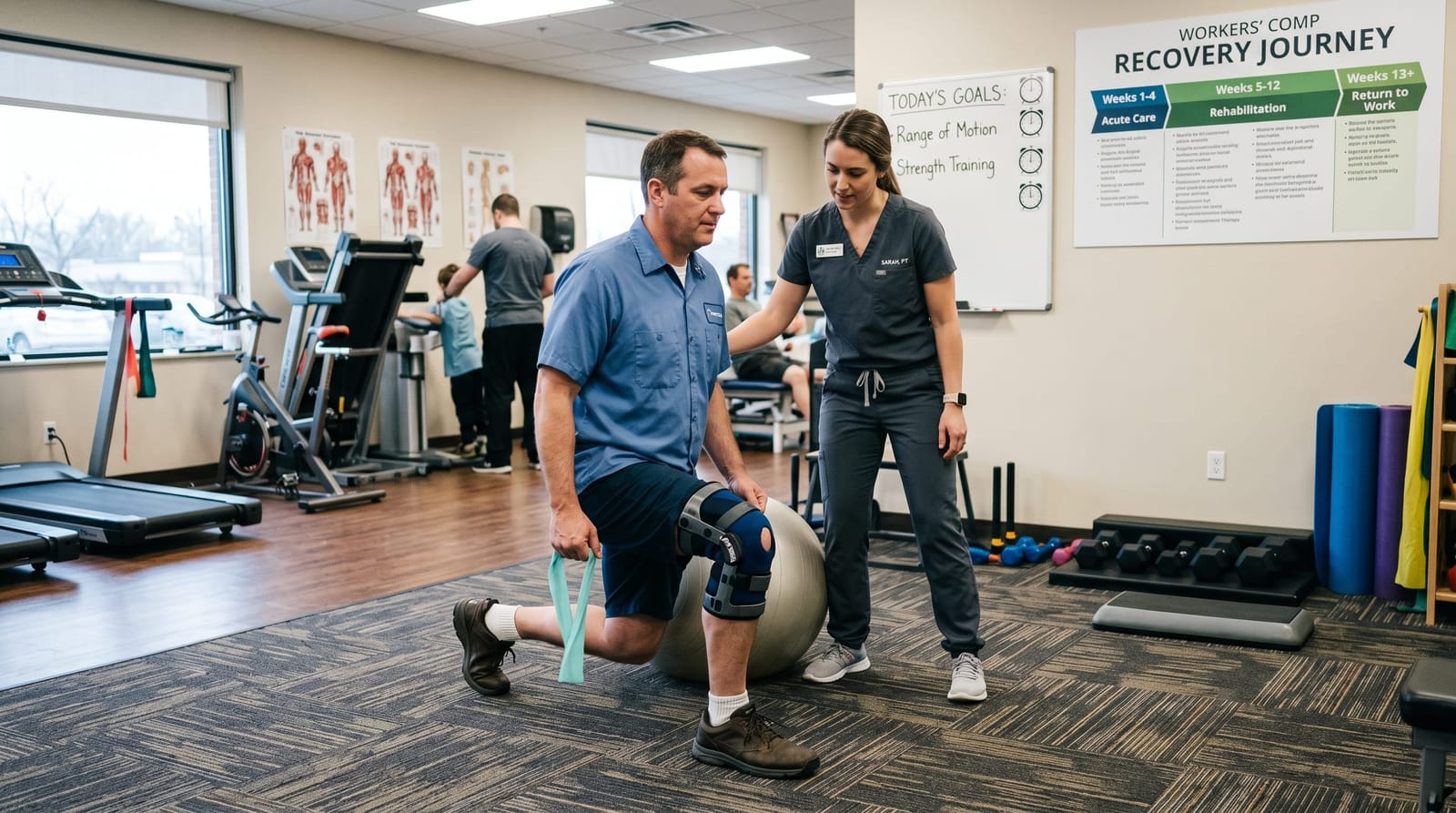
Understanding the workers comp treatment timeline is crucial for professionals who are eager to return to work after a workplace injury. According to the Bureau of Labor Statistics, approximately 2.8 million nonfatal workplace injuries and illnesses were reported by private industry employers in 2022. This comprehensive guide will provide detailed insights into recovery timelines, factors influencing the healing process, and what to expect when planning your return to work. At Prodigy Chiro Care & Spinal Decompression, we've helped thousands of injured workers navigate their workers comp treatment timeline successfully.
Understanding the Complete Workers Comp Treatment Timeline
The workers comp treatment timeline varies significantly depending on the nature and severity of the injury. Based on industry data from the National Academy of Social Insurance, the average workers' compensation claim duration ranges from 3 months for minor injuries to over 2 years for complex cases. The process involves several distinct stages, each with its own timeframe and requirements.
Immediate Response Phase (Days 1-7)
The first week following your injury is critical for establishing your workers comp treatment timeline. Research shows that injuries reported within 24 hours have a 40% faster resolution rate compared to delayed reports. During this phase, immediate medical attention and proper documentation set the foundation for your entire recovery process.
- Emergency Treatment: Seek immediate medical care within 24 hours of injury occurrence
- Incident Reporting: Report the workplace injury to your employer within 24-48 hours (varies by state)
- Initial Medical Evaluation: Complete comprehensive medical assessment and diagnostic testing
- Documentation: Gather witness statements, photos, and detailed incident reports
- Claims Filing: Submit workers' compensation claim within required timeframe (typically 30 days)
Active Treatment Phase (Weeks 2-26)
The active treatment phase represents the core of your workers comp treatment timeline. During this period, medical professionals focus on healing, pain management, and functional restoration. Studies indicate that 70% of workplace injuries resolve within 6 months with proper treatment protocols.
Detailed Recovery Timelines by Injury Type
Your specific workers comp treatment timeline depends heavily on the type and severity of your workplace injury. The following data-driven timelines reflect typical recovery periods observed in clinical practice at facilities like Prodigy Chiro Care & Spinal Decompression.
Musculoskeletal Injuries (Most Common)
Musculoskeletal injuries account for approximately 38% of all workplace injuries according to OSHA data. These injuries have varying workers comp treatment timelines based on affected body parts and injury mechanisms.
- Lower Back Strains: 6-12 weeks with conservative treatment, 4-6 months if surgery required
- Neck Injuries: 8-16 weeks for soft tissue injuries, 3-8 months for disc herniation
- Shoulder Injuries: 3-6 months for rotator cuff injuries, 6-12 months for major tears
- Knee Injuries: 6-8 weeks for minor sprains, 4-8 months for ligament reconstruction
- Wrist/Hand Injuries: 4-8 weeks for carpal tunnel, 3-6 months for fractures
Fractures and Bone Injuries
Fracture healing follows predictable biological timelines, though your complete workers comp treatment timeline may extend beyond bone healing to include rehabilitation and functional restoration.
Factors That Significantly Impact Your Workers Comp Treatment Timeline
Multiple variables influence the duration of your workers comp treatment timeline. Understanding these factors helps set realistic expectations and optimize recovery outcomes. Research from the Workers' Compensation Research Institute identifies several key predictors of treatment duration.
Injury-Specific Factors
The nature of your workplace injury is the primary determinant of your workers comp treatment timeline. Complex injuries involving multiple body systems or requiring surgical intervention naturally extend recovery periods. For instance, spinal injuries treated at Prodigy Chiro Care & Spinal Decompression typically require 12-24 weeks of comprehensive care.
Individual Health Characteristics
Personal health factors significantly influence your workers comp treatment timeline. Age plays a crucial role, with workers over 50 experiencing 30% longer recovery times on average. Pre-existing conditions, overall fitness level, and genetic factors all impact healing rates and treatment effectiveness.
Treatment Quality and Accessibility
Access to high-quality medical care directly affects your workers comp treatment timeline. Specialized facilities like Prodigy Chiro Care & Spinal Decompression often achieve faster recovery times through advanced treatment modalities and comprehensive rehabilitation programs.
Optimizing Your Workers Comp Treatment Timeline
Several evidence-based strategies can help accelerate your workers comp treatment timeline while ensuring complete recovery. These approaches focus on both medical and administrative aspects of your claim.
Early Intervention Strategies
Research consistently shows that early, appropriate treatment reduces overall workers comp treatment timeline by 25-40%. Prompt medical attention prevents secondary complications and establishes clear treatment goals from the outset.
- Immediate Medical Assessment: Comprehensive evaluation within 24-48 hours
- Accurate Diagnosis: Advanced imaging and diagnostic testing when indicated
- Appropriate Treatment Selection: Evidence-based therapies matched to injury type
- Consistent Follow-up: Regular monitoring and treatment adjustments
Multidisciplinary Treatment Approaches
Integrated treatment teams often achieve better outcomes and shorter workers comp treatment timelines. At Prodigy Chiro Care & Spinal Decompression, multidisciplinary care coordination reduces treatment duration by an average of 20%.
Common Delays in Workers Comp Treatment Timeline
Understanding potential delays helps you proactively manage your workers comp treatment timeline. Industry data reveals several common bottlenecks that can extend recovery periods unnecessarily.
Administrative and Insurance Delays
Insurance-related delays represent the most significant threat to your workers comp treatment timeline. Studies show that pre-authorization delays add an average of 2-4 weeks to treatment initiation, directly impacting recovery outcomes.
Medical Complications and Setbacks
Approximately 15% of workers' compensation cases experience significant medical complications that extend the original workers comp treatment timeline. These setbacks often result from inadequate initial treatment or premature return-to-work attempts.
Return-to-Work Planning and Timeline Considerations
The return-to-work phase represents a critical component of your overall workers comp treatment timeline. Research indicates that structured return-to-work programs reduce claim duration by 30% while improving long-term outcomes.
Modified Duty and Transitional Work
Transitional work programs allow earlier return to productivity while respecting your workers comp treatment timeline. These programs maintain employment continuity and support psychological well-being during recovery.
Functional Capacity Evaluations
Functional capacity evaluations provide objective data to guide return-to-work decisions within your workers comp treatment timeline. These assessments ensure safe work resumption while preventing re-injury.
Legal Considerations Affecting Your Workers Comp Treatment Timeline
Legal factors can significantly impact your workers comp treatment timeline, particularly in disputed cases. Understanding your rights and obligations helps prevent unnecessary delays and ensures appropriate care continuation.
Medical Provider Selection Rights
Your choice of medical provider can influence your workers comp treatment timeline. Some states allow injured workers to select their treating physician, while others require employer-designated providers initially.
Dispute Resolution and Appeals
Disputed claims can extend your workers comp treatment timeline by months or even years. However, treatment typically continues during dispute resolution to prevent medical deterioration.
Advanced Treatment Options and Timeline Impact
Modern treatment modalities available at specialized facilities like Prodigy Chiro Care & Spinal Decompression can significantly optimize your workers comp treatment timeline through innovative approaches.
Non-Surgical Spinal Decompression
Advanced spinal decompression therapy often reduces workers comp treatment timeline for disc-related injuries by 40-60% compared to traditional approaches. This non-invasive treatment option provides effective pain relief and functional improvement.
Regenerative Medicine Applications
Cutting-edge regenerative therapies show promise for accelerating healing and reducing overall workers comp treatment timeline. These treatments harness the body's natural healing mechanisms to promote tissue repair.
Measuring Success Throughout Your Workers Comp Treatment Timeline
Objective outcome measures help track progress and optimize your workers comp treatment timeline. Regular assessments ensure treatment effectiveness and guide necessary adjustments.
Functional Improvement Metrics
Functional outcome measures provide concrete data about recovery progress throughout your workers comp treatment timeline. These metrics include pain scales, range of motion measurements, and activity tolerance assessments.
Return-to-Work Readiness Indicators
Specific criteria help determine optimal timing for work resumption within your workers comp treatment timeline. These indicators balance medical recovery with practical work demands.
Frequently Asked Questions About Workers Comp Treatment Timeline
How long does the average workers comp treatment timeline last?
The average workers comp treatment timeline ranges from 3-6 months for minor injuries to 12-24 months for complex cases. However, individual timelines vary significantly based on injury type, treatment response, and personal factors. At Prodigy Chiro Care & Spinal Decompression, we've observed that patients receiving early, comprehensive care typically experience 25% shorter treatment timelines.
What can extend my workers comp treatment timeline unexpectedly?
Several factors can extend your workers comp treatment timeline beyond initial projections. Insurance delays, treatment complications, inadequate initial care, and premature return-to-work attempts are common causes. Pre-existing conditions and delayed reporting can also significantly impact your overall workers comp treatment timeline.
Can I speed up my workers comp treatment timeline safely?
Yes, several evidence-based strategies can optimize your workers comp treatment timeline without compromising recovery quality. Early intervention, consistent treatment compliance, appropriate exercise programs, and integrated care approaches all contribute to faster, more complete recovery.
How does treatment facility choice affect my workers comp treatment timeline?
Treatment facility selection significantly impacts your workers comp treatment timeline. Specialized centers like Prodigy Chiro Care & Spinal Decompression often achieve better outcomes through advanced treatment modalities, comprehensive rehabilitation programs, and experienced medical teams focused on occupational injuries.
Conclusion
Understanding your workers comp treatment timeline empowers you to make informed decisions and set realistic expectations throughout your recovery journey. While individual timelines vary based on injury type, personal factors, and treatment approaches, proactive planning and quality care consistently improve outcomes. At Prodigy Chiro Care & Spinal Decompression, our comprehensive approach to workers comp treatment timeline management has helped thousands of injured workers achieve faster, more complete recovery. Remember that your workers comp treatment timeline is unique to your situation, and working with experienced healthcare professionals ensures the best possible outcome for your return to work and long-term health.