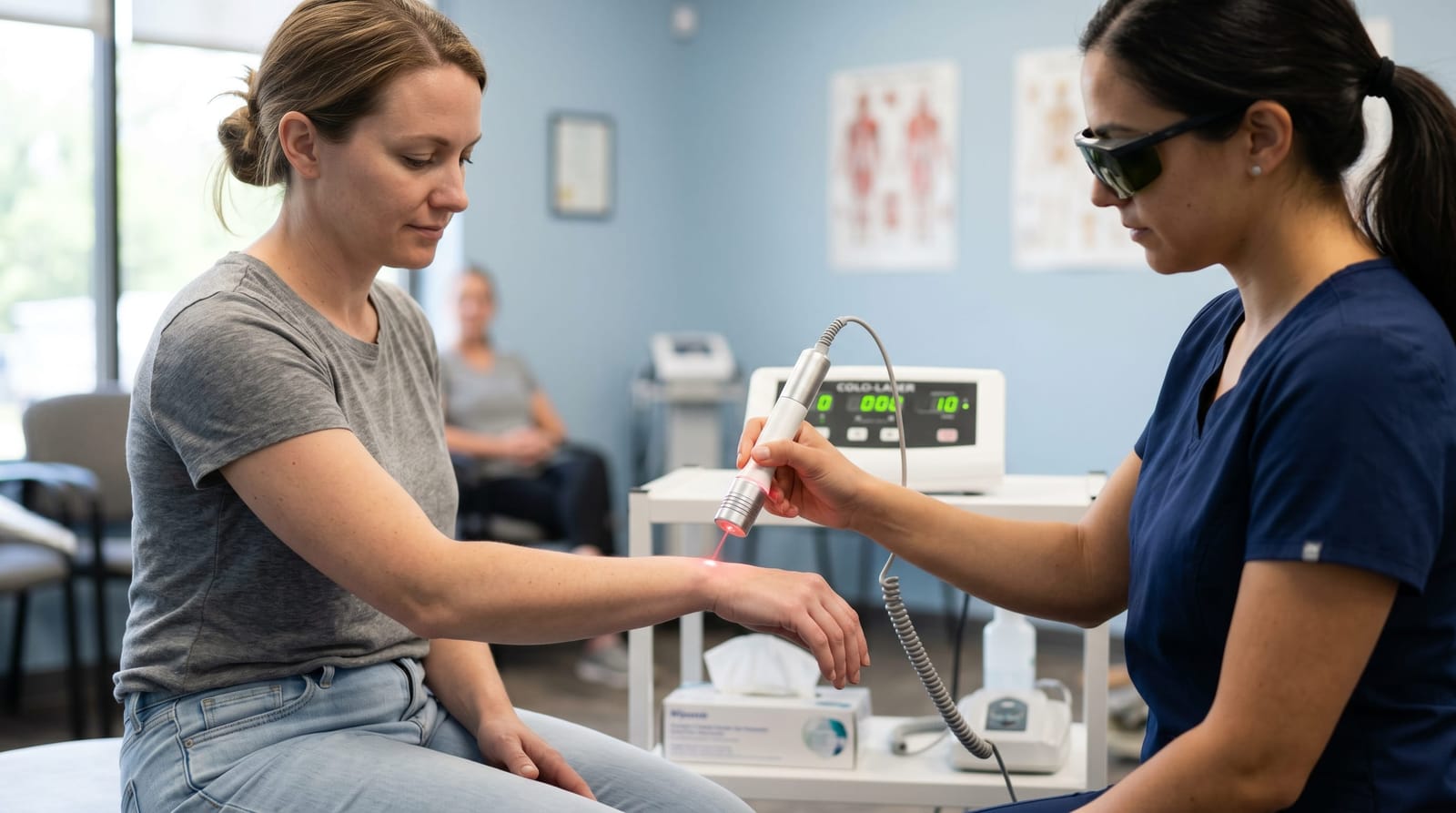
How Cold Laser Therapy Works: The Science of Photobiomodulation
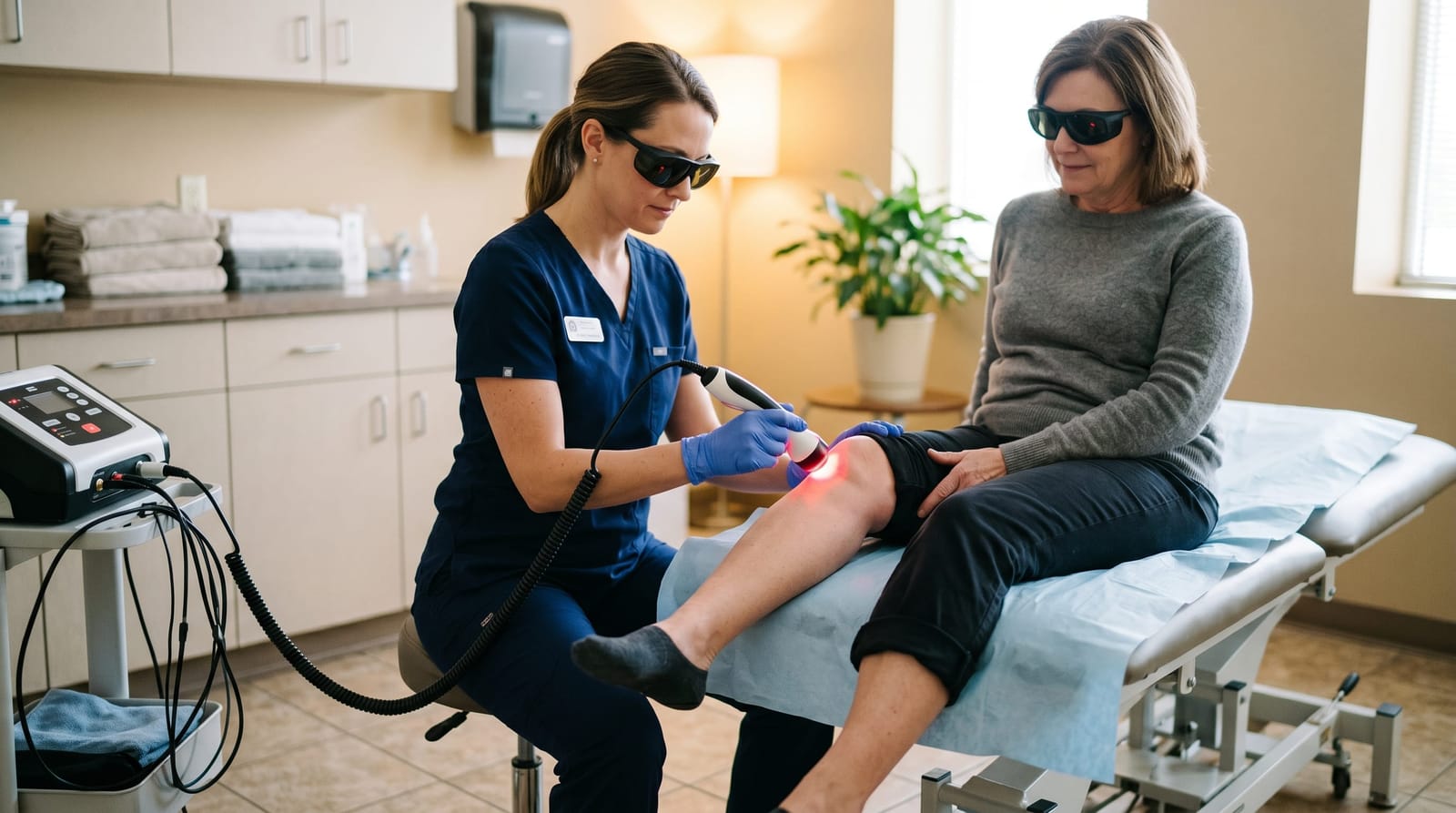
When exploring cold laser therapy in Los Angeles, many patients and healthcare professionals want to understand the fundamental mechanisms behind this innovative treatment. How cold laser therapy works represents a fascinating intersection of physics, biology, and medicine, utilizing the power of specific light wavelengths to trigger natural healing processes at the cellular level. This scientific approach, known as photobiomodulation, offers a non-invasive alternative to traditional pain management and healing therapies by harnessing light energy to stimulate cellular repair mechanisms.
Understanding how cold laser therapy works is crucial for both practitioners and patients considering this treatment option. Unlike conventional therapies that often mask symptoms, photobiomodulation addresses healing at its most fundamental level: within the mitochondria of damaged cells. This comprehensive exploration will examine the cellular mechanisms, specific wavelengths used, the photobiomodulation process, and why this technology represents an advancement over traditional therapeutic approaches.
The Cellular Foundation: How Cold Laser Therapy Works at the Mitochondrial Level
The fundamental answer to how cold laser therapy works lies within the mitochondria, often called the powerhouses of our cells. When specific wavelengths of light penetrate tissue, they interact with chromophores: light-sensitive molecules within mitochondrial complexes. This interaction triggers a cascade of beneficial cellular responses that form the foundation of photobiomodulation therapy.
The primary target for how cold laser therapy works is cytochrome c oxidase, a key enzyme in the mitochondrial respiratory chain. When photons from the laser device are absorbed by this enzyme, it enhances the efficiency of cellular respiration, leading to increased adenosine triphosphate (ATP) production. ATP serves as the cellular currency of energy, and increased levels directly correlate with enhanced healing capacity and cellular function.
Cellular Energy Enhancement
Understanding how cold laser therapy works requires recognizing that injured or stressed cells often have compromised mitochondrial function. The photobiomodulation process addresses this by:
- Increasing ATP synthesis by up to 150% in treated tissues
- Enhancing oxygen utilization within mitochondria
- Improving cellular membrane potential and ion transport
- Stimulating DNA and RNA synthesis for tissue repair
- Activating cellular antioxidant systems to reduce oxidative stress
This enhanced cellular energy state is fundamental to how cold laser therapy works to accelerate healing processes that might otherwise take weeks or months to complete naturally.
Photobiomodulation: The Scientific Process Behind Cold Laser Therapy
Photobiomodulation represents the sophisticated mechanism explaining how cold laser therapy works to produce therapeutic effects. This process involves the absorption of photons by cellular chromophores, leading to photophysical and photochemical changes that ultimately result in beneficial biological responses.
The photobiomodulation process follows a specific sequence: light absorption, primary molecular changes, cellular signaling cascades, and ultimately tissue-level therapeutic effects. Understanding how cold laser therapy works through this lens reveals why specific parameters, wavelength, power density, treatment duration, and frequency, are critical for optimal outcomes.
The Photochemical Cascade
When examining how cold laser therapy works, the photochemical cascade represents the bridge between light absorption and therapeutic benefit:
- Photon Absorption: Chromophores within mitochondria absorb specific wavelengths of light energy
- Enzyme Activation: Cytochrome c oxidase activity increases, enhancing cellular respiration
- Secondary Messenger Systems: Calcium ions, cyclic adenosine monophosphate (cAMP), and nitric oxide levels are modulated
- Gene Expression Changes: Transcription factors are activated, leading to increased production of growth factors and anti-inflammatory proteins
- Cellular Proliferation: Enhanced cell division and migration promote tissue repair and regeneration
Wavelength-Specific Mechanisms
How cold laser therapy works depends heavily on wavelength selection, as different wavelengths penetrate tissues to varying depths and interact with specific chromophores. The most commonly used therapeutic wavelengths range from 630 to 1000 nanometers, each offering unique advantages for different conditions and tissue types.
Therapeutic Wavelengths: The Spectrum of Healing
Understanding how cold laser therapy works requires knowledge of the electromagnetic spectrum and why specific wavelengths produce therapeutic effects. The "optical window" for biological tissues typically spans from 600 to 1200 nanometers, where light can penetrate effectively while minimizing absorption by water and hemoglobin.
Red light wavelengths (630-700 nm) represent one category of how cold laser therapy works, offering excellent absorption by mitochondrial chromophores while maintaining good tissue penetration. These wavelengths are particularly effective for surface wounds, skin conditions, and superficial muscle injuries.
Near-Infrared Spectrum Applications
Near-infrared wavelengths (700-1000 nm) demonstrate how cold laser therapy works for deeper tissue applications:
- 810 nm: Optimal for muscle tissue treatment and neurological applications
- 830 nm: Excellent balance of penetration and chromophore absorption
- 904 nm: Superior depth penetration for joint and deep tissue treatments
- 980 nm: Specialized applications for vascular and lymphatic conditions
Penetration Depth and Dosimetry
How cold laser therapy works effectively depends on achieving appropriate light delivery to target tissues. Penetration depth varies significantly with wavelength, tissue type, and individual patient characteristics. Red wavelengths typically penetrate 1-2 centimeters, while near-infrared light can reach depths of 3-5 centimeters or more.
The concept of dosimetry is crucial to how cold laser therapy works, referring to the amount of light energy delivered per unit area. Optimal dosing typically ranges from 1-10 Joules per square centimeter, though specific conditions may require higher or lower doses for maximum therapeutic benefit.
Biological Effects: From Molecules to Tissues
Examining how cold laser therapy works reveals multiple biological effects occurring simultaneously at molecular, cellular, and tissue levels. These coordinated responses explain why photobiomodulation can address such a diverse range of conditions, from acute injuries to chronic pain syndromes.
At the molecular level, how cold laser therapy works involves modulation of key signaling pathways. Nuclear factor kappa B (NF-κB), a crucial inflammatory regulator, is downregulated by photobiomodulation, leading to reduced production of inflammatory mediators. Simultaneously, growth factors such as transforming growth factor-beta (TGF-β) and platelet-derived growth factor (PDGF) are upregulated.
Anti-Inflammatory Mechanisms
Understanding how cold laser therapy works to reduce inflammation involves several interconnected pathways:
- Decreased prostaglandin E2 (PGE2) production and cyclooxygenase activity
- Reduced interleukin-1 beta (IL-1β) and tumor necrosis factor-alpha (TNF-α) expression
- Enhanced production of anti-inflammatory cytokines like interleukin-10 (IL-10)
- Improved lymphatic drainage and reduction of tissue edema
- Stabilization of cell membranes and reduced inflammatory cell infiltration
Tissue Repair and Regeneration
How cold laser therapy works to promote healing extends beyond inflammation reduction to active tissue repair stimulation. Collagen synthesis is enhanced through increased fibroblast activity, while angiogenesis, the formation of new blood vessels, is promoted through vascular endothelial growth factor (VEGF) upregulation.
Pain Relief Mechanisms: How Cold Laser Therapy Works for Analgesia
One of the most significant aspects of how cold laser therapy works involves its analgesic effects, which occur through multiple complementary mechanisms. Unlike pharmaceutical pain relievers that often provide temporary symptom relief, photobiomodulation addresses both the symptoms and underlying causes of pain.
Neurological effects explain much about how cold laser therapy works for pain management. Light therapy influences nerve conduction velocity, reducing the transmission of pain signals along peripheral nerves. This effect is particularly pronounced in nerve fibers responsible for transmitting chronic pain sensations.
Endogenous Opioid Release
How cold laser therapy works for pain relief includes stimulation of the body's natural pain control systems:
- Endorphin Release: Photobiomodulation stimulates endorphin production in the central nervous system
- Enkephalin Activation: Local enkephalin release provides regional pain relief
- Gate Control Theory: Non-nociceptive nerve stimulation blocks pain signal transmission
- Descending Inhibition: Enhanced activity of descending pain inhibitory pathways
Nerve Regeneration and Repair
For conditions involving nerve damage, how cold laser therapy works extends to promoting nerve regeneration. Increased nerve growth factor (NGF) production, enhanced Schwann cell proliferation, and improved myelin synthesis contribute to the restoration of normal nerve function and reduced neuropathic pain.
Advantages Over Traditional Therapies
Comparing how cold laser therapy works against conventional treatment approaches reveals several significant advantages that make photobiomodulation an attractive therapeutic option. Traditional therapies often focus on symptom management or require invasive procedures, while cold laser therapy addresses underlying healing mechanisms.
The non-thermal nature of how cold laser therapy works distinguishes it from surgical lasers and other heat-based therapies. This characteristic eliminates the risk of tissue damage while maintaining therapeutic efficacy, making treatment suitable for sensitive areas and patients who cannot tolerate more aggressive interventions.
Safety and Regulation Considerations
Understanding how cold laser therapy works includes recognizing its excellent safety profile when properly administered. The cold laser therapy FDA approved devices undergo rigorous testing to ensure both safety and efficacy standards are met.
Treatment Versatility
How cold laser therapy works for diverse conditions demonstrates its versatility compared to traditional single-target therapies:
- Simultaneous anti-inflammatory and pro-healing effects
- Applicability to acute and chronic conditions
- Minimal contraindications compared to pharmaceutical interventions
- Potential for combination with other therapies without adverse interactions
- Suitable for patients with multiple comorbidities
Related Applications and Advanced Techniques
As research continues to expand our understanding of how cold laser therapy works, new applications and enhanced techniques continue to emerge. Advanced protocols combining multiple wavelengths, pulsed delivery methods, and targeted dosimetry strategies are optimizing treatment outcomes for specific conditions.
The integration of how cold laser therapy works with other regenerative medicine approaches, such as platelet-rich plasma therapy and stem cell treatments, represents an exciting frontier in therapeutic applications. These combination approaches leverage the cellular preparation effects of photobiomodulation to enhance the efficacy of other biological treatments.
Conclusion
Understanding how cold laser therapy works reveals a sophisticated therapeutic mechanism that harnesses the power of specific light wavelengths to stimulate natural healing processes. Through photobiomodulation, this innovative technology addresses pain and promotes healing at the cellular level, offering advantages over traditional therapies through its non-invasive nature and multi-target effects.
The science behind how cold laser therapy works continues to evolve, with ongoing research revealing new applications and optimization strategies. For healthcare professionals and patients seeking effective, safe treatment options, this technology represents a significant advancement in therapeutic medicine.
If you're interested in experiencing the benefits of this advanced technology, consider consulting with qualified practitioners who understand how cold laser therapy works and can develop personalized treatment protocols for your specific needs.