Herniated Disc vs Bulging Disc: Understanding the Difference
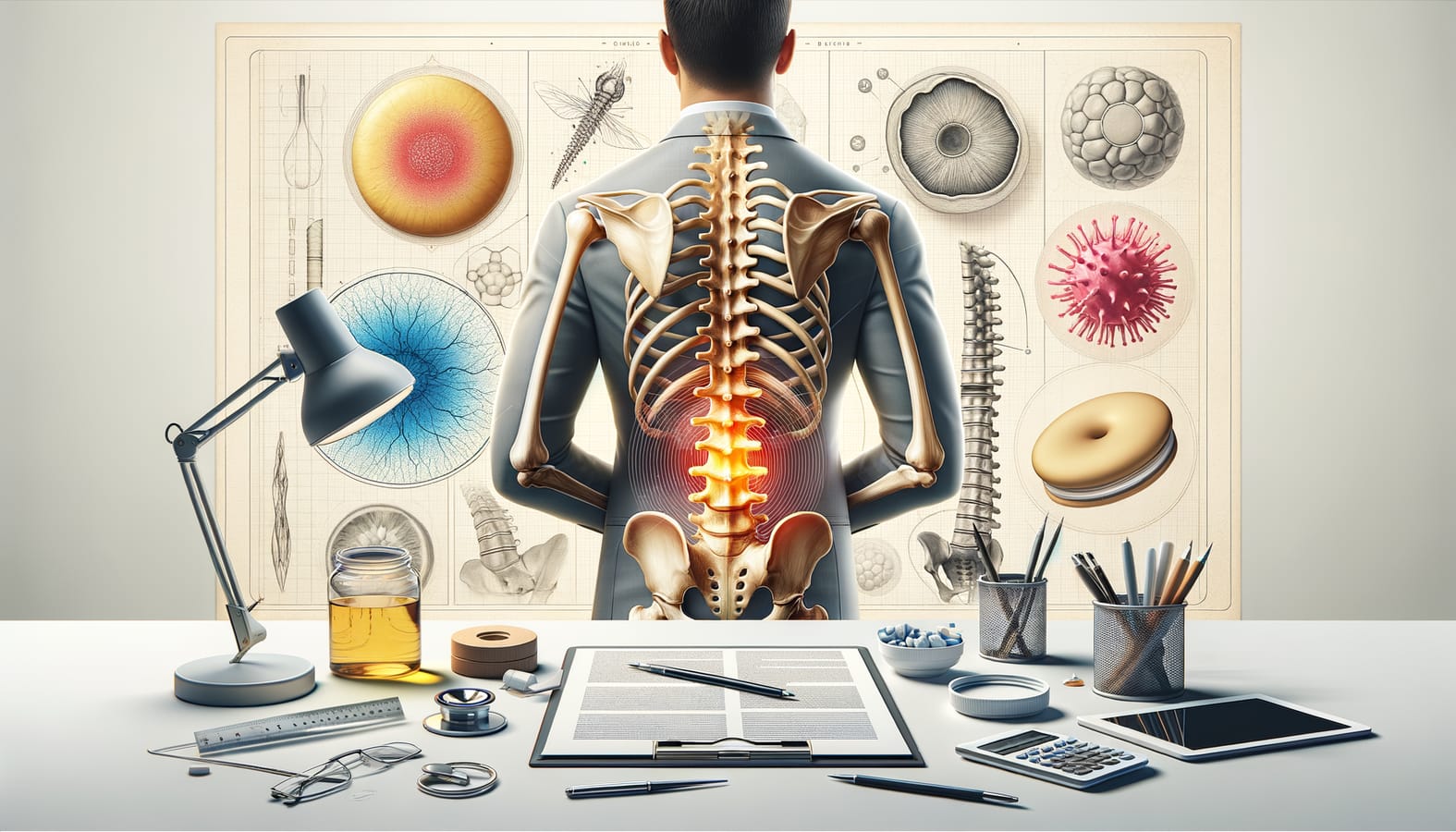
Understanding the differences between a herniated disc vs bulging disc can be crucial for those seeking effective treatment options, especially for professionals striving to maintain an active lifestyle without resorting to surgery. According to the American Association of Neurological Surgeons, approximately 5-20 people per 1,000 adults suffer from disc problems annually. As part of our comprehensive coverage on non-surgical herniated disc treatment in Los Angeles, this article will clarify the key distinctions, symptoms, and treatment options for each condition.
What Is the Difference Between Herniated Disc vs Bulging Disc?
The primary difference between herniated disc vs bulging disc lies in the integrity of the disc's outer layer and the extent of damage. While both conditions affect the intervertebral discs, they represent different stages and types of disc degeneration. Research published in the Journal of Spine Surgery indicates that bulging discs affect approximately 30% of people over age 30, while herniated discs occur in about 2-3% of the population.
At Prodigy Chiro Care & Spinal Decompression, we see patients daily who are confused about their diagnosis. Understanding whether you have a herniated disc vs bulging disc is essential for developing an effective treatment plan. The distinction affects everything from symptom severity to recovery timelines and treatment approaches.
Disc Anatomy: Foundation for Understanding Herniated Disc vs Bulging Disc
To comprehend the differences between herniated disc vs bulging disc, it is essential to first understand disc anatomy. Intervertebral discs act as cushions between the vertebrae of your spine, providing flexibility and absorbing shock. They consist of a tough outer layer known as the annulus fibrosus and a gel-like center called the nucleus pulposus.
The Annulus Fibrosus: Your Disc's Protective Shell
The annulus fibrosus consists of 15-25 concentric rings of collagen fibers. These rings provide structural integrity and contain the inner nucleus. When these fibers weaken or tear, disc problems develop. The condition of this outer layer determines whether you have a herniated disc vs bulging disc.
The Nucleus Pulposus: The Disc's Shock Absorber
The nucleus pulposus contains approximately 80% water in healthy young adults. This gel-like substance provides cushioning and flexibility. As we age, water content decreases to about 70%, making discs more susceptible to injury. This dehydration process contributes to both herniated and bulging disc conditions.
Bulging Discs: Comprehensive Analysis
In a bulging disc, the outer layer remains intact but stretches outward, often affecting a larger portion of the disc circumference. This condition represents the earlier stage in the herniated disc vs bulging disc spectrum. Studies show that bulging discs typically involve 25-50% of the disc's circumference.
Causes of Bulging Discs
Several factors contribute to bulging disc development:
- Age-related disc degeneration (affects 40% of people by age 40)
- Poor posture and ergonomics
- Repetitive lifting or bending motions
- Prolonged sitting (increases disc pressure by 40%)
- Genetic predisposition
- Smoking (reduces disc nutrition by 15-20%)
Bulging Disc Characteristics
When comparing herniated disc vs bulging disc characteristics, bulging discs typically feature:
- Broad-based protrusion affecting larger disc areas
- Intact annulus fibrosus
- Gradual onset of symptoms
- Less severe nerve compression
- Better prognosis for conservative treatment
Herniated Discs: In-Depth Examination
Conversely, a herniated disc involves a tear in the annulus fibrosus, allowing the nucleus pulposus to leak out. This extrusion often results in more severe symptoms as the inner material can irritate or compress adjacent nerves. In the herniated disc vs bulging disc comparison, herniated discs represent more advanced pathology.
Types of Disc Herniations
Medical professionals classify herniated discs into several categories:
- Disc Protrusion: Small tear with contained nucleus material
- Disc Extrusion: Larger tear with nucleus material extending beyond the disc space
- Disc Sequestration: Nucleus material completely separates from the parent disc
- Disc Migration: Sequestrated material moves away from the original location
Herniated Disc Risk Factors
Research identifies several risk factors for herniated discs:
- Male gender (2:1 ratio compared to females)
- Age 30-50 years (peak incidence)
- Occupational lifting (increases risk by 300%)
- Previous disc injury
- Sudden trauma or injury
- Obesity (BMI over 30 doubles risk)
Symptoms: Herniated Disc vs Bulging Disc Comparison
While both conditions can cause pain, their symptoms differ significantly in intensity and nature. Understanding these differences helps distinguish between herniated disc vs bulging disc conditions and guides appropriate treatment decisions.
Bulging Disc Symptoms
Bulging discs generally lead to mild to moderate pain, which is often localized to the back. Many patients with bulging discs experience:
- Dull, aching back pain (present in 85% of cases)
- Stiffness and reduced flexibility
- Muscle spasms in the affected area
- Mild numbness or tingling if nerve roots are compressed
- Pain that worsens with sitting or bending forward
- Symptoms that improve with rest or lying down
Herniated Disc Symptoms
With herniated discs, symptoms tend to be more acute and debilitating. Patients often experience:
- Sharp, burning pain (reported by 90% of patients)
- Radiating pain (sciatica for lumbar discs, radiculopathy for cervical discs)
- Significant loss of mobility and function
- Muscle weakness in affected extremities
- Electric shock-like sensations
- Numbness and tingling in specific dermatomes
- Pain that worsens with coughing, sneezing, or straining
Location-Specific Symptoms
The location of your disc problem affects symptoms in the herniated disc vs bulging disc comparison:
Lumbar Spine (Lower Back)
Lower back disc problems account for 95% of all disc issues. Symptoms include:
- Lower back pain radiating to buttocks and legs
- Sciatica affecting one or both legs
- Weakness in foot or ankle muscles
- Difficulty walking or standing for extended periods
Cervical Spine (Neck)
Cervical disc problems represent about 5% of all disc issues but can be equally debilitating:
- Neck pain radiating to shoulders and arms
- Headaches and upper back tension
- Weakness in hand grip or arm muscles
- Numbness in fingers or hands
Diagnostic Methods for Herniated Disc vs Bulging Disc
Accurate diagnosis is crucial for determining whether you have a herniated disc vs bulging disc. At Prodigy Chiro Care & Spinal Decompression, we employ comprehensive diagnostic approaches to ensure proper identification and treatment planning.
Clinical Examination
The diagnostic process begins with a thorough clinical examination:
- Medical History: Detailed symptom analysis and onset patterns
- Physical Examination: Range of motion, strength, and reflex testing
- Orthopedic Tests: Specific maneuvers to identify nerve involvement
- Neurological Assessment: Sensation, motor function, and reflex evaluation
Imaging Studies
Advanced imaging helps differentiate herniated disc vs bulging disc:
- MRI: Gold standard for soft tissue visualization (95% accuracy)
- CT Scan: Excellent bone detail with moderate soft tissue visualization
- X-rays: Rule out fractures and assess spinal alignment
- Myelogram: Detailed nerve root visualization when needed
Treatment Approaches: Herniated Disc vs Bulging Disc Management
When it comes to treatment, the approach differs significantly based on whether the disc is bulging or herniated. The severity and type of disc pathology in the herniated disc vs bulging disc spectrum determines the most appropriate therapeutic interventions.
Non-Surgical Treatments for Bulging Discs
For bulging discs, non-surgical treatments prove effective in 85-90% of cases. At Prodigy Chiro Care & Spinal Decompression, we offer comprehensive treatment options:
Physical Therapy and Exercise
Structured exercise programs show remarkable success rates:
- McKenzie exercises for directional preference (70% improvement rate)
- Core strengthening to improve spinal stability
- Flexibility training to restore normal range of motion
- Postural correction exercises
- Aerobic conditioning for overall health improvement
Chiropractic Care
Chiropractic interventions provide significant relief for bulging disc patients:
- Spinal manipulation to restore proper joint function
- Flexion-distraction technique for disc decompression
- Soft tissue therapies to address muscle tension
- Ergonomic counseling for workplace modifications
Spinal Decompression Therapy
Non-surgical spinal decompression shows promising results with 86% success rates in clinical studies. This therapy works by:
- Creating negative pressure within the disc
- Promoting nutrient flow and healing
- Reducing nerve root compression
- Facilitating disc material retraction
Non-Surgical Treatments for Herniated Discs
Although herniated discs can be more severe, non-surgical treatments remain viable for 80-85% of patients. Treatment success depends on early intervention and patient compliance.
Advanced Physical Therapy
Herniated disc physical therapy requires specialized approaches:
- Neural mobilization techniques to reduce nerve irritation
- Progressive strengthening protocols
- Motor control training for spinal stability
- Pain science education for better outcomes
Injection Therapies
When conservative measures need augmentation:
- Epidural steroid injections (provide relief in 70% of patients)
- Trigger point injections for muscle spasms
- Facet joint injections when indicated
- Nerve blocks for diagnostic and therapeutic purposes
Integrative Treatment Approaches
Combining multiple therapies often yields the best results in herniated disc vs bulging disc treatment:
- Acupuncture for pain reduction and healing promotion
- Massage therapy for muscle tension and circulation
- Heat and cold therapy applications
- TENS units for pain management
- Nutritional counseling for inflammation reduction
Prevention Strategies: Avoiding Future Herniated Disc vs Bulging Disc Problems
Prevention remains the most effective approach to avoiding disc problems. Research shows that proper preventive measures can reduce disc injury risk by up to 70%.
Exercise and Fitness
Regular exercise provides multiple protective benefits:
- Core Strengthening: Strong core muscles reduce spinal load by 30%
- Cardiovascular Fitness: Improves disc nutrition and healing
- Flexibility Training: Maintains normal range of motion
- Weight Management: Every pound of excess weight adds 4 pounds of spinal pressure
Workplace Ergonomics
Proper workplace setup significantly impacts disc health:
- Adjust computer screen to eye level
- Use lumbar support when sitting
- Take frequent breaks from prolonged sitting
- Employ proper lifting techniques
- Alternate between sitting and standing when possible
Lifestyle Modifications
Simple lifestyle changes provide substantial benefits:
- Maintain proper sleep posture and quality mattress support
- Avoid smoking (improves disc nutrition by 20%)
- Stay adequately hydrated for disc health
- Practice stress management techniques
- Maintain healthy body weight
Prognosis: Recovery Expectations for Herniated Disc vs Bulging Disc
Understanding the prognosis for each condition helps set realistic recovery expectations. The timeline and success rates differ significantly in the herniated disc vs bulging disc comparison.
Recovery from a Bulging Disc
With proper treatment, most individuals with a bulging disc experience substantial relief within 6-12 weeks. Clinical studies show:
- 85% of patients improve with conservative treatment
- Average recovery time: 8-10 weeks
- Recurrence rate: 15-20% within two years
- Return to full activity: 90% of patients within three months
Recovery from a Herniated Disc
Herniated discs may require a longer recovery period due to their severity. However, research demonstrates:
- 80% of patients improve without surgery
- Significant improvement often occurs within 6-8 weeks
- Complete recovery: 12-16 weeks average
- Recurrence rate: 25-30% without proper rehabilitation
Factors Affecting Recovery
Several factors influence recovery success in herniated disc vs bulging disc cases:
- Age: Younger patients typically recover faster
- Overall Health: Better fitness levels improve outcomes
- Symptom Duration: Earlier treatment leads to better results
- Treatment Compliance: Following treatment plans improves success rates by 40%
- Occupational Factors: Physical jobs may require modified duties
When to Seek Professional Help for Herniated Disc vs Bulging Disc
Knowing when to seek professional help is crucial for optimal outcomes. At Prodigy Chiro Care & Spinal Decompression, we recommend immediate consultation if you experience:
Red Flag Symptoms
Certain symptoms require immediate medical attention:
- Loss of bowel or bladder control
- Progressive muscle weakness
- Severe numbness in legs or arms
- Fever accompanying back pain
- Pain following significant trauma
When Conservative Treatment Isn't Enough
Consider professional intervention if:
- Pain persists beyond 6-8 weeks
- Symptoms worsen despite rest and basic care
- Function continues to decline
- Sleep disruption affects daily life
- Work or daily activities become impossible
FAQs: Herniated Disc vs Bulging Disc
What causes a disc to bulge or herniate?
Both conditions can result from age-related degeneration, injury, or repetitive strain. However, herniated discs are more likely to result from sudden trauma or increased pressure on the spine. Studies show that 40% of disc problems stem from degenerative changes, while 35% result from acute injury.
Can bulging discs turn into herniated discs?
Yes, a bulging disc can progress to a herniated disc if the outer layer sustains further damage, allowing the inner material to extrude. Research indicates that approximately 10-15% of untreated bulging discs may progress to herniation within two years.
Is surgery always necessary for herniated discs?
No, most herniated discs can be treated with non-surgical methods. Surgery is usually considered only when conservative treatments fail to relieve symptoms after 6-12 weeks. Only 5-10% of herniated disc patients ultimately require surgical intervention.
How can I prevent disc issues in the future?
Maintaining a healthy weight, practicing good posture, and engaging in regular exercise focused on core strength can help prevent disc problems. Avoiding smoking and managing stress are also beneficial. Studies show these measures can reduce disc problem risk by up to 70%.
What's the success rate for non-surgical treatment in herniated disc vs bulging disc cases?
At Prodigy Chiro Care & Spinal Decompression, we see success rates of 85-90% for bulging discs and 80-85% for herniated discs using comprehensive non-surgical approaches. Success is defined as significant pain reduction and functional improvement.
How long does it take to see improvement with treatment?
Most patients begin experiencing relief within 2-4 weeks of starting treatment. Bulging disc patients typically see faster improvement, while herniated disc recovery may take 6-8 weeks for significant changes. Complete recovery often requires 3-4 months of consistent treatment and rehabilitation.
Conclusion
Understanding the differences between herniated disc vs bulging disc is crucial for choosing the right treatment path and setting realistic expectations for recovery. While both conditions can cause significant discomfort and functional limitations, their management strategies and prognosis vary considerably. The key distinctions lie in the integrity of the disc's outer layer, symptom severity, and recovery timelines.
At Prodigy Chiro Care & Spinal Decompression, we've successfully treated thousands of patients with both herniated and bulging disc conditions using comprehensive, non-surgical approaches. Our clinical experience aligns with published research showing that 80-90% of disc problems can be effectively managed without surgery when proper treatment protocols are followed.
The most important factors for successful treatment include early intervention, accurate diagnosis, and patient commitment to the treatment process. Whether you're dealing with a herniated disc vs bulging disc, the goal remains the same: reducing pain, restoring function, and preventing future episodes.
By exploring evidence-based non-surgical options including spinal decompression therapy, targeted physical therapy, and comprehensive chiropractic care, you can effectively manage symptoms and maintain an active lifestyle. Remember that recovery is often possible with the right approach, professional guidance, and dedication to the healing process.
For more information on specialized treatments and to schedule a consultation for your herniated disc vs bulging disc concerns, visit our advanced therapy options for herniated disc treatment in Los Angeles. Our team at Prodigy Chiro Care & Spinal Decompression is committed to helping you achieve optimal spinal health and return to the activities you love.