Custom Orthotics vs Over-the-Counter Insoles: Is the Price Difference Worth It?

If you've been exploring whether custom orthotics work for your foot discomfort, posture concerns, or alignment needs, you've likely paused at the price tag. Custom orthotics can cost several hundred dollars, while over-the-counter insoles sit on pharmacy shelves for under $50. That's a significant difference, and it deserves an honest, straightforward answer. This post breaks down what separates custom orthotics from OTC insoles across four key areas: fit, correction capability, durability, and real-world outcomes, so you can make a confident, informed decision.
The Fit Factor: One Size Fits Most vs. Made for You
Over-the-counter insoles are designed for the average foot. They come in general sizes and offer broad arch support that works reasonably well for mild discomfort or basic cushioning needs. If you're standing on hard floors for a few hours or want extra padding in a new pair of shoes, a quality OTC insole might do the job comfortably.
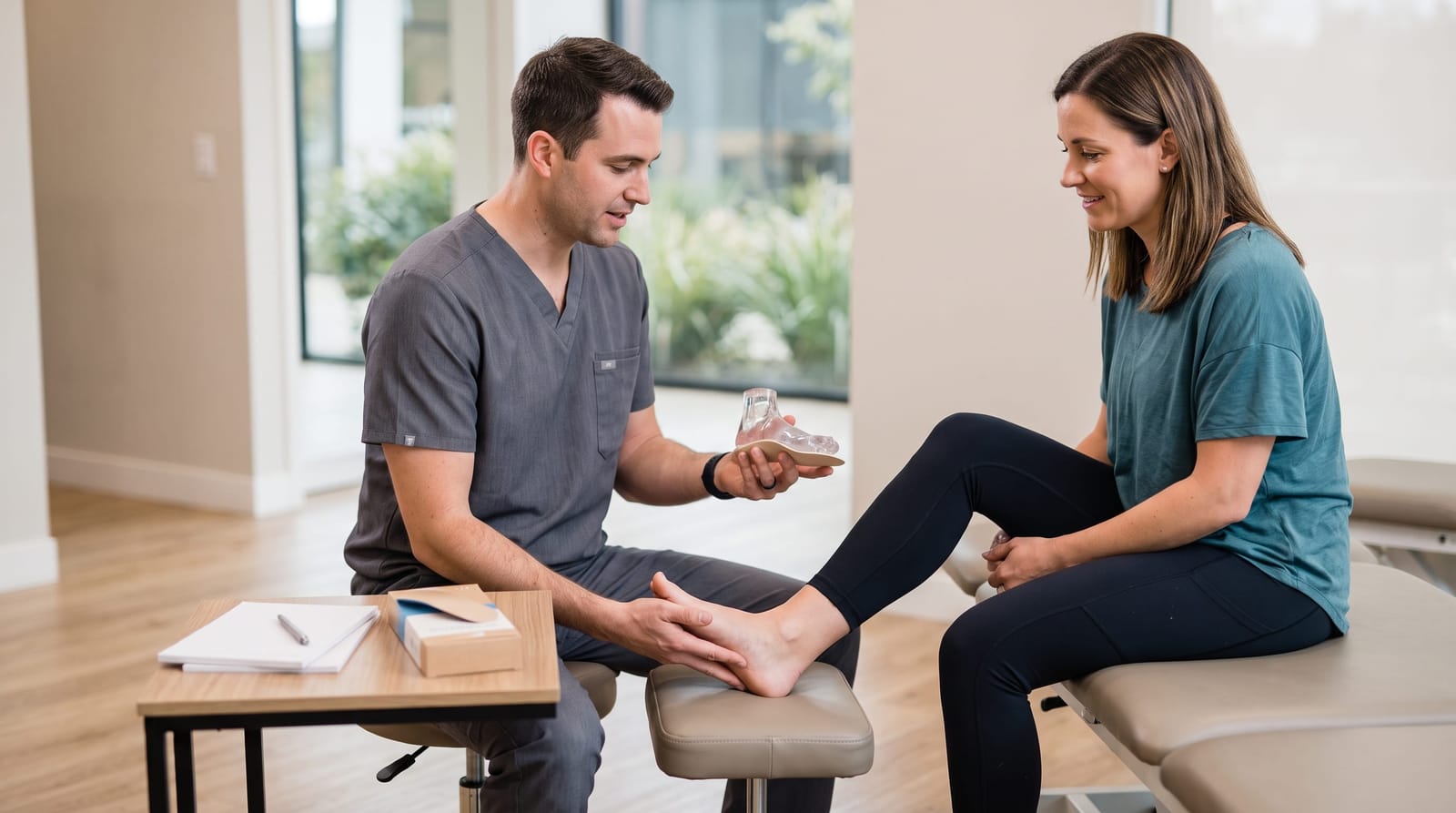
Custom orthotics, on the other hand, are fabricated from a detailed impression or digital scan of your specific foot. Every curve, pressure point, and structural characteristic of your foot is captured and built into the device. This means the orthotic isn't just sitting inside your shoe: it's actively engaging with your foot's unique shape.
For people whose foot mechanics are contributing to discomfort in the knees, hips, or lower back, that precision fit makes a meaningful difference. A generically shaped insole simply cannot replicate the targeted support that a custom-made device provides. When practitioners ask whether do custom orthotics work better than OTC options, fit is usually the first reason the answer leans toward yes, at least for patients with specific structural needs.
Correction Capability: Cushioning vs. Biomechanical Support
This is where the two products diverge most significantly. Most over-the-counter insoles are primarily cushioning devices. They reduce impact and add comfort, but they aren't designed to address the underlying mechanics of how your foot moves through each step.
Custom orthotics are functional medical devices. They're designed with your gait pattern, foot alignment, and biomechanics in mind. A well-designed custom orthotic can help redistribute pressure across the foot, support the arch in a way that reduces strain on surrounding structures, and encourage proper foot positioning during movement.
For conditions like plantar fasciitis, flat feet, or overpronation, where the way your foot moves is contributing to recurring discomfort, this functional correction is often what makes custom orthotics work where OTC insoles have fallen short. It's also worth noting that custom orthotics prescribed through a chiropractic or clinical evaluation are tailored not just to your feet, but to how your feet relate to the rest of your posture and movement patterns.
If you're curious about how this clinical approach differs depending on where you receive care, the comparison between how custom orthotics are designed at a chiropractic office versus a podiatrist is worth exploring as you weigh your options.
Durability: Short-Term Fix vs. Long-Term Support
A quality pair of OTC insoles might last three to six months with regular use before the cushioning compresses and the support flattens out. For the price point, this can feel acceptable, but it also means repeated replacement costs over time.
Custom orthotics, when made from quality materials and properly cared for, typically last two to five years. The materials used, rigid, semi-rigid, or soft depending on the clinical recommendation, are chosen for their durability as well as their functional properties. Many patients find that a single pair of custom orthotics outlasts multiple rounds of OTC insoles, narrowing the real cost gap over the long run.
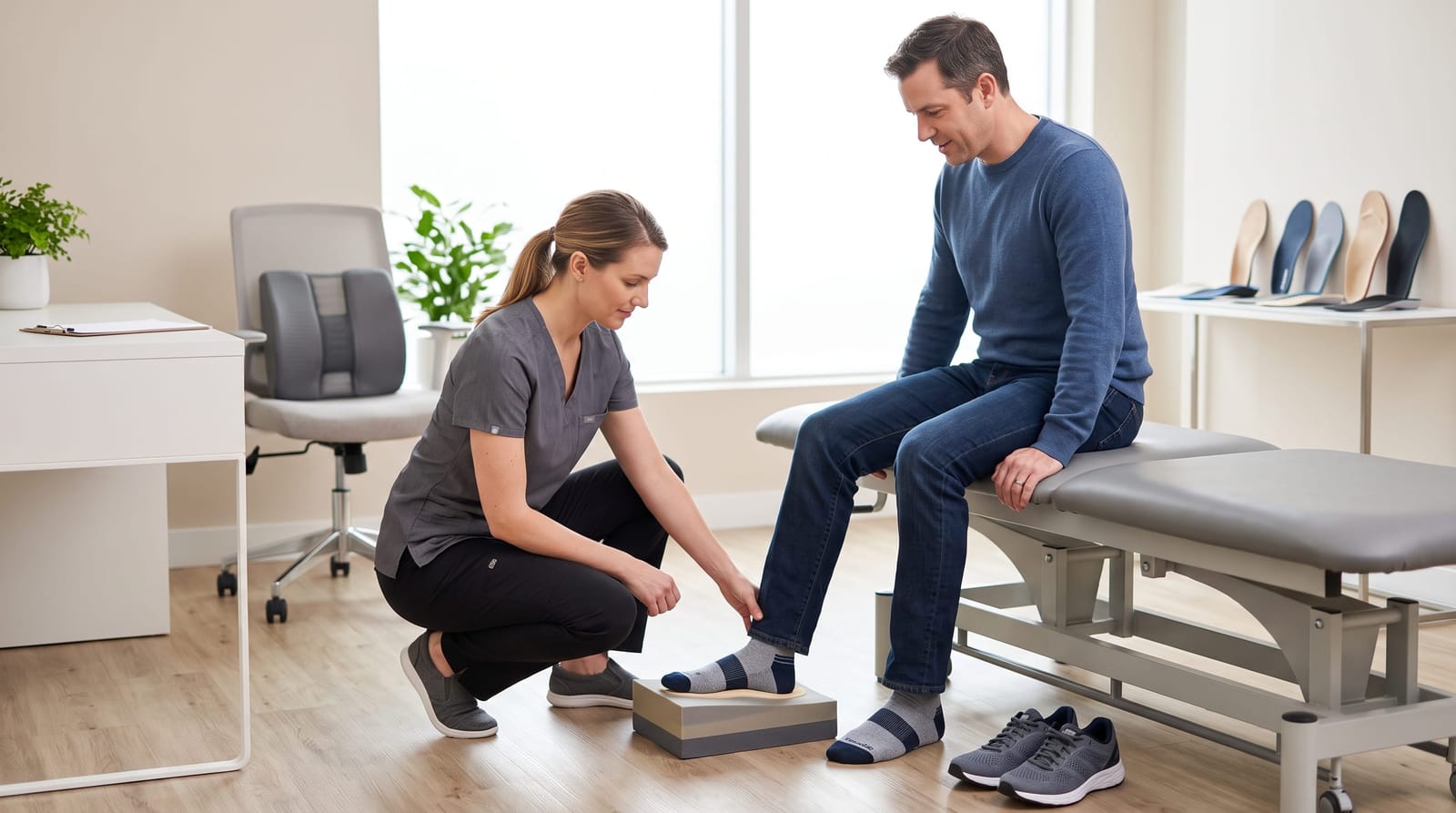
It's also worth considering what shoes do custom orthotics work best in. Generally, they perform best in shoes with a removable insole, adequate heel depth, and a stable sole: athletic shoes, dress shoes with depth, and many work boots accommodate them well. Knowing this upfront helps you plan appropriately and get the most from your investment.
Real-World Outcomes: Who Benefits Most from Custom Orthotics?
This is perhaps the most important question when evaluating whether do custom orthotics work for your particular situation. Research and clinical experience suggest that custom orthotics tend to deliver the most meaningful results for specific groups of people:
- Those with persistent or recurring foot discomfort that hasn't responded to OTC insoles or footwear changes
- People with identified biomechanical issues such as significant overpronation, supination, leg length discrepancy, or flat arches
- Active individuals and athletes who place higher demands on their feet and need support calibrated to their movement patterns
- Patients with whole-body alignment concerns where foot mechanics are contributing to knee, hip, or lower back discomfort
- Those whose foot pain is tied to a long-term structural pattern rather than temporary irritation from new shoes or a single activity
For someone experiencing mild, occasional foot fatigue without underlying structural concerns, a well-chosen OTC insole may be entirely sufficient. The key is having enough information about your foot mechanics to make that determination: ideally through a professional assessment rather than guesswork.
When patients come in asking whether do custom orthotics work for their specific complaint, the answer almost always depends on a thorough evaluation of what's actually happening with their feet and how it connects to their broader posture and movement.
Making the Decision: A Practical Framework
Here's a simple way to approach the decision:
- Start with your symptoms. Are they mild and situational, or recurring and tied to specific activities or periods of standing?
- Consider what you've already tried. Have quality OTC insoles helped, or have they made little difference?
- Think about your lifestyle demands. High activity levels, physically demanding work, or long hours on your feet often benefit more from personalized support.
- Get a professional evaluation. A chiropractor or qualified practitioner can assess your gait, posture, and foot structure to tell you whether do custom orthotics work for your specific needs, or whether another approach makes more sense first.
The price difference between custom orthotics and OTC insoles is real. But so is the difference in what each product is actually doing for your feet.
Frequently Asked Questions
Do custom orthotics work better than OTC insoles for plantar fasciitis?
For many people with plantar fasciitis, custom orthotics provide more targeted relief than OTC insoles because they address the underlying foot mechanics contributing to the condition, not just the surface-level discomfort. OTC insoles may help with mild cases, but if symptoms are recurring or persistent, a custom solution is often more effective.
How long does it take for custom orthotics to work?
Most people begin to notice a difference within two to four weeks as their feet and posture adapt to the new support. Full adaptation can take six to eight weeks. It's normal to experience a brief adjustment period, especially if your foot mechanics have been compensating for structural issues for a long time.
Can I use custom orthotics in any shoe?
Custom orthotics work best in shoes with removable insoles, sufficient depth in the heel and midfoot, and a relatively stable sole. Athletic shoes, supportive dress shoes, and many work boots are typically compatible. Flat, minimal shoes with no depth may not accommodate them well.
Are custom orthotics worth the cost if I'm generally active and healthy?
For active, healthy individuals without significant structural foot issues, OTC insoles may meet most needs at a lower cost. Custom orthotics tend to offer the greatest value when there's a specific biomechanical pattern worth addressing: something a professional evaluation can help clarify.
The Bottom Line
The question of whether do custom orthotics work compared to over-the-counter insoles isn't really about one being universally better than the other: it's about matching the solution to the actual need. OTC insoles offer accessible, affordable comfort for everyday use. Custom orthotics offer precision, correction, and durability for those who need more than general cushioning. If you've been wondering where you fall on that spectrum, a professional evaluation is the clearest path to a confident answer, and to support that actually fits your life.