Cold Laser Therapy vs. Cortisone Injections: Which Is Right for You?

If you're managing chronic pain or a stubborn musculoskeletal condition, chances are you've encountered two very different treatment paths: cold laser therapy and cortisone injections. Both are widely used, both can offer meaningful relief, and both come with their own set of trade-offs. Understanding how these options compare, across safety, side effects, recovery, and long-term results, can help you have a more informed conversation with your care team. This guide breaks it down clearly so you can walk into your next appointment feeling prepared.
How Each Treatment Works: A Quick Baseline
Before comparing the two side by side, it helps to understand what each treatment is actually doing in your body.
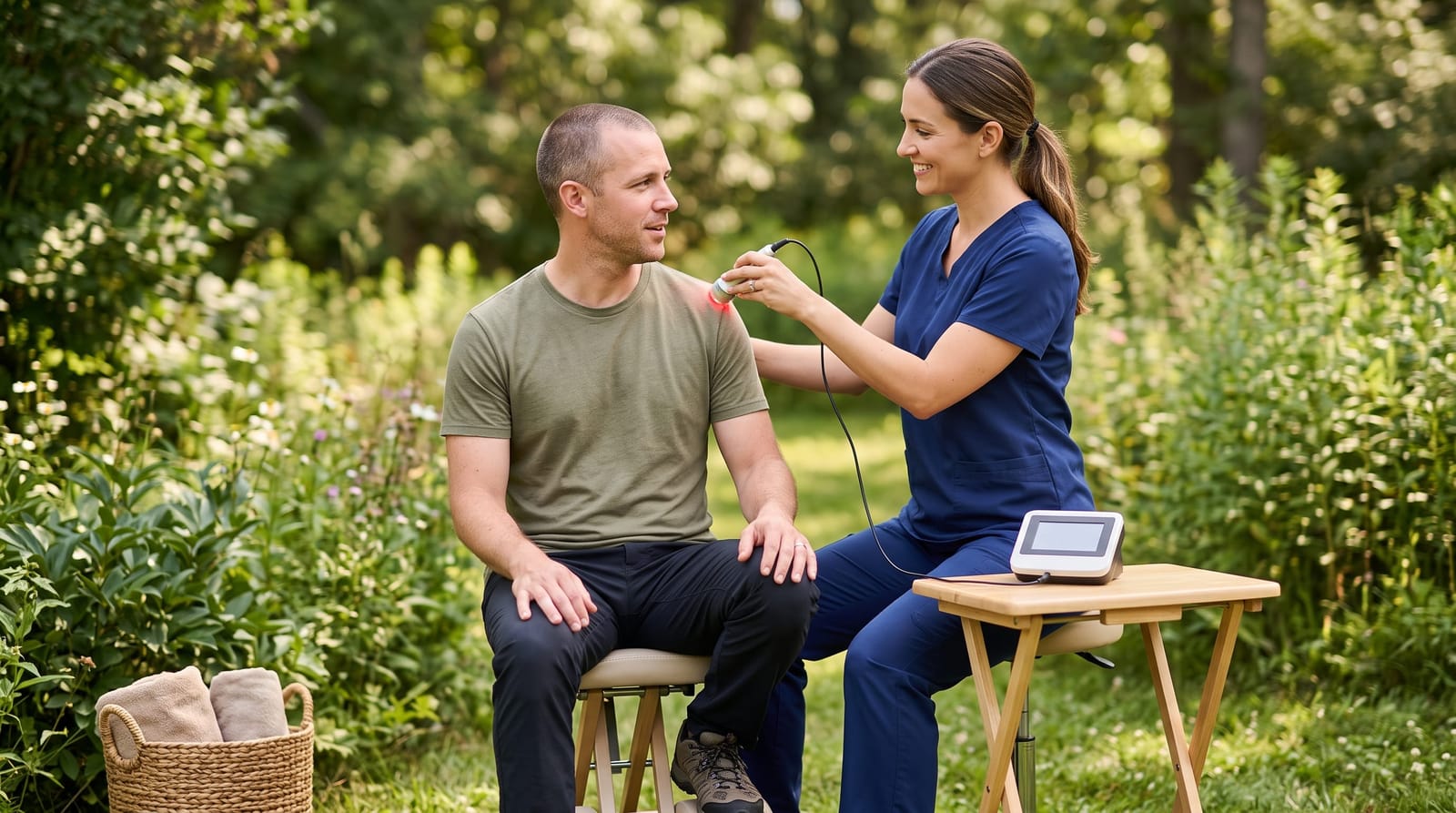
Cold laser therapy (also called low-level laser therapy or LLLT) uses specific wavelengths of light to penetrate soft tissue. This light energy is absorbed at the cellular level, where it's thought to support circulation, reduce inflammation, and encourage tissue repair, without heat, cutting, or injections. Cold laser therapy effectiveness has been studied across a range of conditions, including arthritis, tendonitis, carpal tunnel syndrome, and chronic lower back pain. A meta-analysis referenced in The Lancet noted meaningful improvements in musculoskeletal pain outcomes for patients receiving LLLT compared to control groups.
Cortisone injections deliver a corticosteroid medication directly into an inflamed area, a joint, tendon sheath, or bursa, to suppress inflammation quickly. The effect can be rapid and significant, which is part of why they're commonly used in conventional medical settings.
These two approaches come from fundamentally different philosophies: one suppresses a symptom; the other works to support the body's own healing environment.
Safety and Side Effects: What the Research Suggests
This is often where the comparison becomes most meaningful for cautious patients.
Cold Laser Therapy Side Effects
Cold laser therapy is widely considered a low-risk, non-invasive option. Most patients tolerate sessions without discomfort. The most commonly reported experiences include:
- Mild, temporary soreness in the treated area following a session
- Occasional feelings of warmth or tingling during treatment
- Rarely, short-term fatigue following initial sessions
There are no needles, no incisions, and no systemic medications involved. The treatment is applied externally, and most sessions take between 5 and 20 minutes depending on the area being treated.
Cortisone Injection Side Effects
Cortisone injections carry a different risk profile. While generally safe when used appropriately and infrequently, patients and providers are advised to be aware of:
- Post-injection pain flare (a temporary increase in pain lasting 24-48 hours)
- Localized skin changes, including lightening or thinning near the injection site
- Elevated blood sugar levels, particularly relevant for people managing diabetes
- Potential weakening of tendons or cartilage with repeated injections over time
- Risk of infection at the injection site (though uncommon)
Many practitioners recommend limiting cortisone injections to 3-4 times per year in the same area, given concerns about cumulative tissue effects. This is a meaningful consideration for anyone managing a chronic, recurring condition.
Long-Term Effectiveness: A Side-by-Side Look
For acute, severe inflammation, a sudden flare of bursitis, for example, cortisone injections can provide fast, targeted relief. The response time is often within days, which is genuinely helpful in certain situations.
However, cortisone does not repair damaged tissue. It manages the inflammatory response without addressing what's causing it. For many patients with chronic conditions, this means the relief is temporary: inflammation can return once the medication clears the system.
Cold laser therapy works differently over time. Clinical trials have shown meaningful results for conditions like lower back pain, carpal tunnel syndrome, and tendon injuries, though it typically requires a series of sessions rather than a single treatment. Research suggests that:
- Most patients require between 6 and 12 sessions to see cumulative benefit
- Results tend to build progressively, rather than arriving all at once
- Some patients report sustained relief that continues beyond the treatment period
- Cold laser therapy is most effective when combined with other rehabilitative care
This is an important nuance. Cold laser therapy effectiveness appears strongest when it's part of a broader care plan, not a standalone, one-time fix. Understanding how cold laser therapy chiropractic combination approaches work together can help patients set realistic and productive expectations.
Recovery Time and Practical Considerations
From a day-to-day logistics standpoint, the two treatments feel quite different.
After a cortisone injection:
- Some providers recommend resting the injected area for 24-48 hours
- Patients may be advised to avoid certain activities temporarily
- A follow-up appointment is typically scheduled to assess response
After a cold laser therapy session:
- There is generally no required downtime or activity restriction
- Patients can usually return to normal activities immediately following treatment
- Sessions are typically scheduled 2-3 times per week during an initial care period
For working adults or active individuals who can't afford extended downtime, the non-invasive nature of cold laser therapy can be a practical advantage. The time commitment of multiple sessions is a real factor to plan around, but each individual session is typically brief and does not disrupt the rest of the day.
Cost and Accessibility
Cost is a reasonable factor to consider, though it's worth noting that individual circumstances vary widely depending on your location, provider, and coverage situation. As general education:
- Cortisone injections may be covered by many health insurance plans when deemed medically necessary
- Cold laser therapy is often considered a wellness or complementary therapy and may not always be covered by insurance
- The total cost of a multi-session cold laser therapy plan versus the cost of repeated injections over months or years may be comparable for many patients managing chronic conditions
We always encourage patients to speak directly with their care provider and insurance company to understand their specific options. This content is educational and not a substitute for personalized financial or medical guidance.
Frequently Asked Questions
Can cold laser therapy and cortisone injections be used together?
Some patients do receive both treatments, for example, a cortisone injection for acute relief followed by a course of cold laser therapy to support longer-term tissue recovery. Whether this approach makes sense depends on your specific condition and care provider's recommendations. Always consult with your healthcare team before combining treatments.
How many cold laser therapy sessions does it typically take to notice results?
Research and clinical experience suggest that many patients begin to notice meaningful changes after 4 to 6 sessions, with cumulative benefits continuing to build through a full course of treatment, often 8 to 12 sessions. Individual responses vary depending on the condition being addressed, its severity, and overall health factors.
Is cold laser therapy painful?
Cold laser therapy is generally described as a comfortable, painless experience. Most patients feel little to nothing during treatment, though some report a mild warmth or tingling sensation. There is no cutting, needles, or recovery period involved.
Are there conditions where cortisone injections are clearly preferable?
For certain acute, high-inflammation situations, such as a severe joint flare or when rapid relief is medically necessary, cortisone injections may be more immediately appropriate. Cold laser therapy is generally considered a better fit for chronic, recurring conditions where long-term support and tissue recovery are the primary goals. Your healthcare provider is best positioned to help you evaluate which fits your situation.
Finding the Right Fit for Your Needs
Neither cold laser therapy nor cortisone injections is universally "better": each serves a purpose, and the right choice depends on your condition, your health history, your goals, and how you prefer to approach care. For many patients dealing with chronic pain conditions, a non-invasive, progressive approach like cold laser therapy offers an appealing path that supports the body without the risks associated with repeated injections. Understanding cold laser therapy effectiveness in the context of your own situation starts with an open conversation with a qualified provider who can look at the full picture of your health.
If you're exploring this option, we'd love to talk through what a care plan might look like for you at Prodigy Chiro Care. Our goal is simply to help you feel better, move better, and live with greater comfort.