Cold Laser Therapy: Safety, Side Effects, and What to Expect During Treatment
If you've been researching cold laser therapy, you've probably noticed that most information falls into one of two camps: overly technical studies written for clinicians, or promotional content that glosses over your most pressing questions. Neither one answers what you actually want to know before walking through the door for your first session.
Questions like: Is this actually safe? What will it feel like? Are there side effects I should know about? What if I'm on medication or have an existing health condition? These are reasonable, thoughtful questions, and they deserve straightforward, honest answers.
Cold laser therapy, also called low-level laser therapy (LLLT) or photobiomodulation, has been used in clinical settings for decades. It's a non-invasive approach that uses specific wavelengths of light to support the body's natural healing processes, and it has become an increasingly popular option for people managing musculoskeletal discomfort, inflammation, and soft tissue concerns.
This guide is designed to give you a complete, transparent picture of cold laser therapy: its safety profile, what the research says about side effects, who should and shouldn't consider it, and exactly what a typical session at Prodigy Chiro Care looks and feels like. By the time you finish reading, you'll have everything you need to decide whether this therapy is worth exploring further, and you'll feel confident going into that conversation with your care team.
Please note: This content is educational and informational in nature. It is not intended as medical advice, diagnosis, or a treatment recommendation. Always consult with a qualified healthcare provider for guidance specific to your individual health situation.
---What Is Cold Laser Therapy, and How Does It Work?
Cold laser therapy is a form of phototherapy: it uses focused beams of low-level light energy to interact with tissue at the cellular level. Unlike surgical lasers, which generate heat to cut or remove tissue, cold lasers operate at power levels that do not heat the skin or cause thermal damage. The term "cold" refers to this absence of heat, not to any temperature applied during the session.
When the light energy from a cold laser penetrates the skin, it is absorbed by photoreceptors within cells: particularly in the mitochondria, which are responsible for producing cellular energy (ATP). This absorption is thought to stimulate a range of biological responses that may support tissue repair and reduce inflammation. Researchers have been studying these mechanisms since the 1960s, and the body of clinical literature has grown substantially over the past few decades.
What Conditions Is It Commonly Used For?
Cold laser therapy is most commonly applied in chiropractic and rehabilitation settings for musculoskeletal concerns. Practitioners may incorporate it into care plans for patients dealing with:
- Neck and back discomfort
- Joint stiffness and soreness
- Soft tissue injuries, including strains and sprains
- Tendon and ligament concerns
- Neuropathic discomfort in the extremities
- Post-exercise muscle recovery
- Shoulder, knee, and hip conditions
At Prodigy Chiro Care, cold laser therapy is typically used as one component of a broader, personalized wellness plan, not as a standalone cure. The goal is to support the body's natural recovery processes alongside chiropractic care, movement work, and other evidence-informed approaches.
How Is Cold Laser Different from Other Laser Treatments?
It's worth clarifying a common point of confusion: cold laser therapy is entirely different from the high-powered lasers used in surgical procedures, cosmetic skin resurfacing, or hair removal. Those devices operate at much higher energy outputs and are designed to alter or remove tissue. Cold laser devices work at a fraction of that intensity, making them a fundamentally different category of treatment.
---The Safety Profile: What Does the Research Actually Say?
One of the most consistent findings across decades of clinical research is that cold laser therapy has a strong safety profile when administered by a qualified practitioner using appropriate equipment. Serious adverse events are rarely reported in the literature, and the therapy is generally well-tolerated across a broad range of patient populations.
This doesn't mean the therapy is without any considerations, but the concerns that do exist are specific, well-understood, and manageable when proper protocols are followed. Here's an honest breakdown of what the research tells us.
Documented Side Effects
The most commonly reported side effects of cold laser therapy are mild, temporary, and typically resolve on their own within hours to a day or two after a session. These include:
- Temporary skin redness or warmth at the treatment site: Some patients notice mild redness or a gentle warming sensation in the treated area immediately after a session. This typically fades quickly and is not considered a cause for concern.
- Mild, temporary discomfort: In some cases, patients report a brief period of increased sensitivity or mild achiness in the treated area following a session, particularly in the early stages of a treatment plan. This is sometimes described as similar to the sensation after a good massage or workout: the body responding to stimulation.
- Temporary fatigue: A small number of patients report feeling slightly tired after a session, which some practitioners attribute to the body's healing response being activated. This is generally short-lived.
It's important to recognize that these effects are typically mild and transient. They are not indicators that something has gone wrong, but if anything feels unusual or persists, communicating with your care provider is always the right step.
The Most Significant Safety Consideration: Eye Protection
The one safety concern that is taken very seriously in clinical settings is direct laser exposure to the eyes. The focused light energy from a cold laser can cause retinal damage if directed at the eyes without protection. This is why reputable providers, including Prodigy Chiro Care, always provide protective eyewear to both the patient and the clinician during treatment, and why sessions are conducted by trained professionals who understand proper beam placement and safety protocols.
When appropriate protective measures are in place, this risk is effectively managed. It is a standard safety protocol, not a cause for alarm.
---Who Should Avoid Cold Laser Therapy? Understanding Contraindications
Responsible clinical practice includes clearly communicating who may not be suitable candidates for a given therapy. Cold laser therapy, while broadly safe for many people, does have recognized contraindications: situations where the therapy is not recommended or where extra caution is warranted.
Understanding these contraindications isn't meant to discourage you. It's meant to help you have an informed conversation with your care provider so they can make decisions that are right for your specific health situation.
Pregnancy
Cold laser therapy is generally not recommended during pregnancy. This is not because there is evidence of harm, but because there is insufficient research on its safety for pregnant individuals and developing fetuses. In the absence of clear data, most practitioners take a precautionary approach and advise against it. If you are pregnant or think you may be, let your care provider know before any treatment begins.
Active Cancer or Tumor Sites
Cold laser therapy should not be applied directly over areas of known or suspected malignancy. The concern is theoretical, that stimulating cellular activity in a cancerous region could be counterproductive, but out of caution, most clinical protocols exclude this application. Individuals with a history of cancer should have a thorough conversation with both their oncologist and their chiropractic care provider before pursuing cold laser therapy.
Photosensitivity and Certain Medications
Some medications increase the skin's sensitivity to light (photosensitizing drugs), which may affect how your skin responds during a session. Examples include certain antibiotics, diuretics, and some psychiatric medications, though this list is not exhaustive. Always inform your care team about any medications you are taking, both prescription and over-the-counter, so they can adjust treatment parameters accordingly.
Direct Application Over the Thyroid Gland
As a precaution, most clinical protocols avoid direct application of cold laser therapy over the thyroid gland, given its sensitivity and regulatory role in the body. Your provider will be aware of this and plan treatment areas appropriately.
Pacemakers and Electronic Implants
Although the evidence is limited, many practitioners advise caution with cold laser therapy near pacemakers or other electronic implants. This is a conversation to have with both your cardiologist and your chiropractic care team before treatment.
At Prodigy Chiro Care, every new patient goes through a thorough intake process that includes a health history review. This is precisely why that process matters: it allows your care team to identify any contraindications and tailor your care plan appropriately. If you have questions about whether cold laser therapy is appropriate for your situation, a consultation is the best starting point.
---What a Typical Cold Laser Therapy Session Actually Feels Like
For many patients, the unknown is the most anxiety-inducing part of any new treatment. Once you know what to expect, the experience itself is often far less intimidating than anticipated. Here's an honest, step-by-step picture of what a cold laser therapy session looks like at Prodigy Chiro Care.
Before the Session
Your first visit will include a consultation and health history review. Your care team will discuss your current concerns, review any relevant health conditions or medications, and determine whether cold laser therapy is an appropriate component of your care plan. If it is, they'll explain the specifics, which areas will be treated, what settings will be used, and what you might notice during and after the session.
During the Session
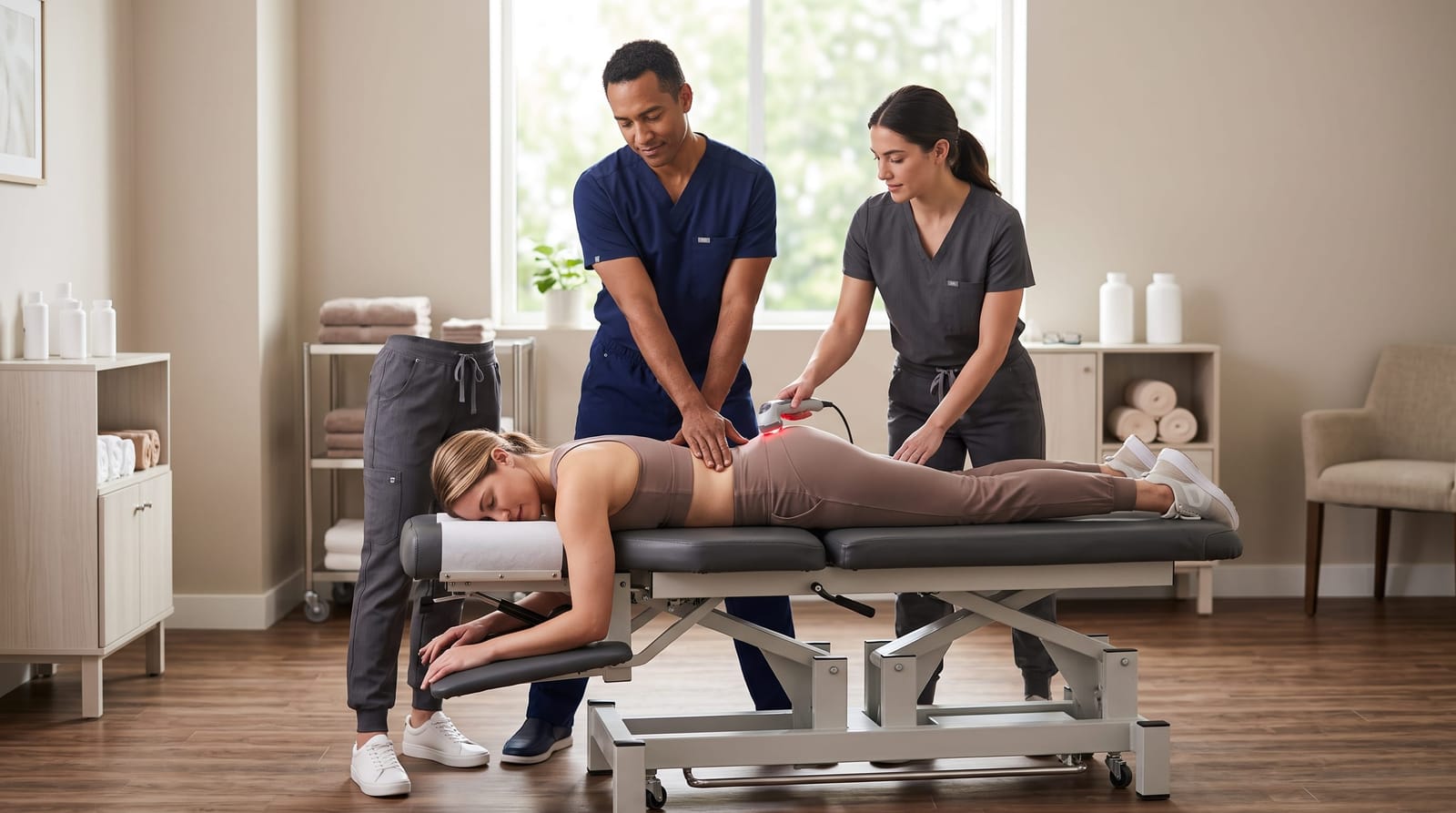
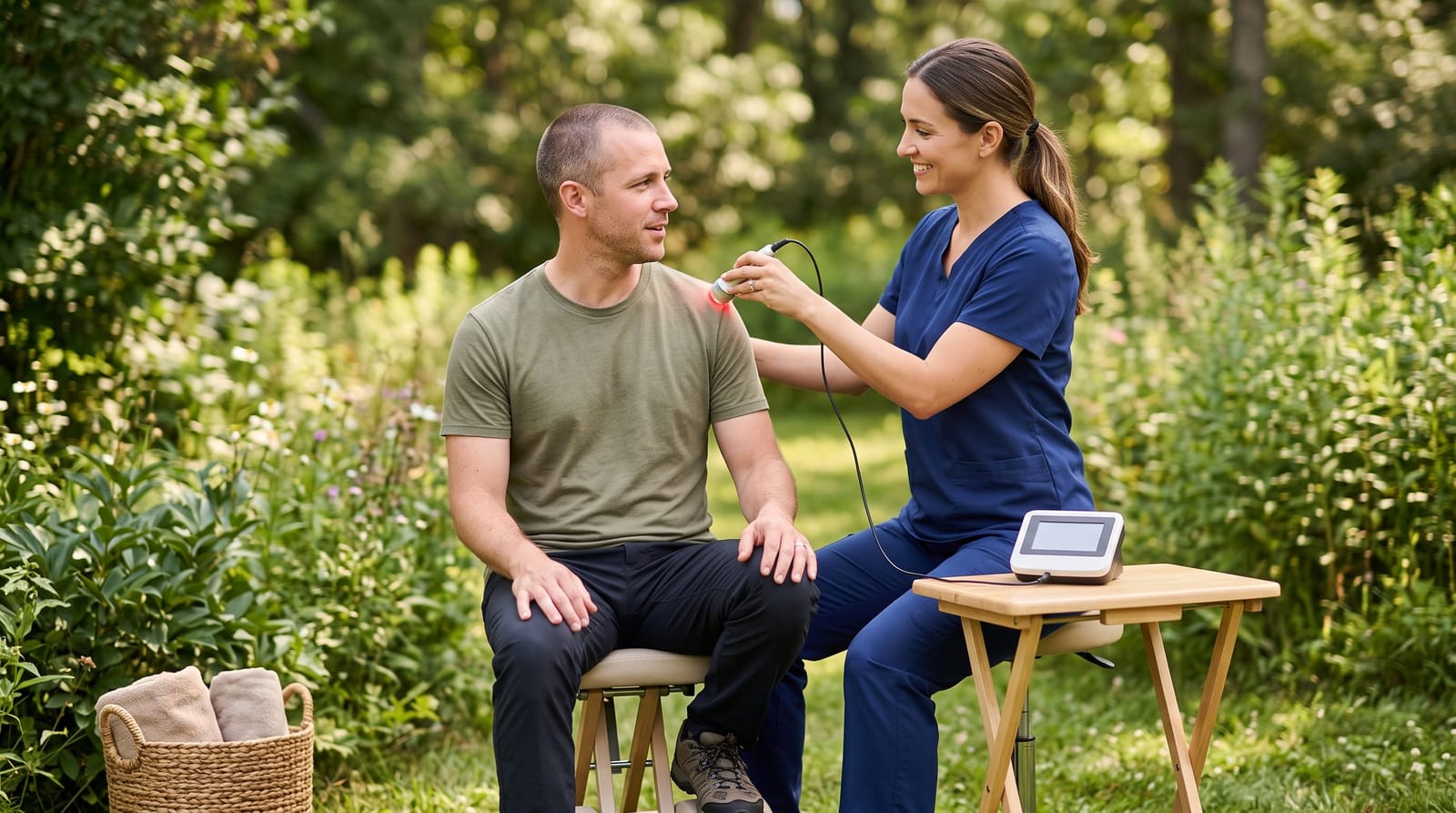
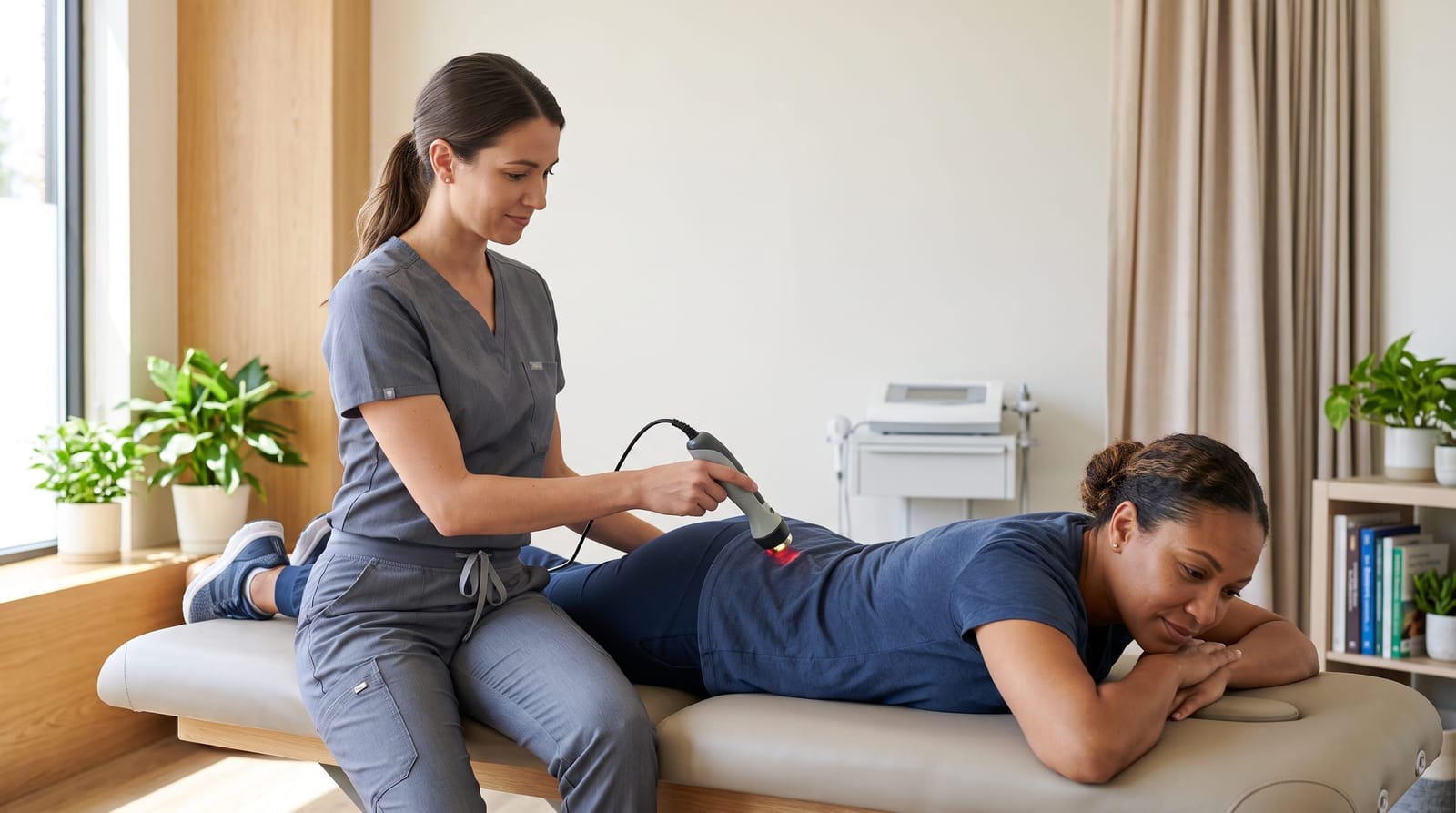
You'll be comfortably positioned, usually sitting or lying down, depending on the treatment area. Both you and the practitioner will wear protective eyewear. The clinician will then apply the laser device directly to the skin or hold it just above the treatment area, moving it slowly and methodically according to a specific treatment protocol.
Most patients are surprised by how unremarkable the experience feels. The device makes no sound, causes no vibration, and produces no heat. Many people report feeling a gentle warmth, a subtle tingling, or simply nothing at all during the session. There is no shock, no pain, and nothing to brace for. Sessions typically range from a few minutes to around 15-20 minutes, depending on the area being treated and your specific care plan.
After the Session
One of the most practical advantages of cold laser therapy is that there is no recovery period. You can return to your normal daily activities immediately after a session: no downtime, no restrictions, no need to arrange time off work. Some patients report noticing a sense of ease or reduced tension in the treated area relatively soon after a session, though individual responses vary and results develop over a course of treatment rather than from a single visit.
Your care team may have specific guidance for you based on your individual plan, so be sure to ask about anything you're uncertain about after your session.
---How Cold Laser Therapy Compares to Other Approaches
When you're weighing your options for managing discomfort or supporting recovery, it helps to understand how different approaches differ, not to dismiss other forms of care, but to make an informed decision about what fits your needs and preferences.
Compared to Pharmaceutical Pain Management
Many people turn to over-the-counter or prescription medications as a first response to musculoskeletal discomfort. These options can be appropriate and effective in certain situations. However, they do not address the underlying tissue or structural concerns that may be contributing to discomfort, and some medications carry their own side effect profiles with regular use, including gastrointestinal effects, dependency concerns with certain prescription options, and interactions with other medications.
Cold laser therapy, by contrast, is non-pharmacological. It does not introduce any substances into the body, it has no known drug interactions, and it does not carry the systemic risks associated with long-term medication use. For individuals who prefer to minimize pharmaceutical interventions, it may be worth discussing with a healthcare provider as a complementary option.
Compared to Surgical Interventions
Surgery is sometimes necessary and appropriate, and there are situations where it is clearly the right course of action. However, it also carries significant recovery time, anesthesia-related considerations, and procedural risks. For many musculoskeletal concerns, surgery is considered only after conservative approaches have been explored.
Cold laser therapy is distinctly non-invasive. There is no recovery period, no incision, and no associated surgical risk. For patients who are in the early or middle stages of managing a musculoskeletal concern, it may be worth discussing with their healthcare team as part of a conservative care approach before more involved interventions are considered.
Compared to Other Physical Therapies
Physical therapy, massage, ultrasound therapy, and electrical stimulation are all tools that practitioners may use in a rehabilitation or wellness setting. Cold laser therapy is often used alongside these approaches rather than instead of them. At Prodigy Chiro Care, cold laser therapy is frequently integrated with chiropractic adjustments and rehabilitative care as part of a comprehensive, personalized plan, because most patients benefit most from a multi-faceted approach tailored to their individual needs.
---The Equipment Matters: Why Technology and Training Make a Difference
Not all cold laser devices are created equal, and the quality of care you receive is directly tied to the equipment being used and the training of the person using it. This is a point worth understanding, especially as cold laser therapy becomes more widely available in a range of settings.
Wavelength, Power, and Dosage
Cold laser devices vary significantly in their wavelength output, power levels, and ability to deliver consistent dosing to the treatment area. The therapeutic window for photobiomodulation, the range of light energy that produces beneficial effects, requires devices that can be calibrated accurately and consistently. Underpowered devices may not deliver sufficient energy to reach deeper tissues, while improper settings could lead to suboptimal results.
At Prodigy Chiro Care, we use advanced cold laser equipment that allows for precise, adjustable treatment parameters. This means your care team can tailor the session to the specific tissue depth, treatment area, and therapeutic goal relevant to your situation: rather than applying a one-size-fits-all approach.
Clinician Training and Protocol
The device is only part of the equation. The practitioner administering cold laser therapy should have specific training in photobiomodulation protocols: understanding which conditions respond to which parameters, how to position the device correctly, and how to monitor patient response over a course of treatment. At Prodigy Chiro Care, cold laser therapy is administered by trained professionals who integrate it thoughtfully into each patient's broader care plan, not as an add-on afterthought.
When you're evaluating any provider who offers cold laser therapy, it's entirely reasonable to ask about the equipment they use, how it's calibrated, and the training their practitioners have received. Transparency on these points is a good indicator of a practice you can trust.
---How Many Sessions Are Typically Needed, and What Should You Realistically Expect?
This is one of the most common questions patients ask, and one of the most important to answer honestly. Cold laser therapy is not a single-session solution for most concerns. Like physical therapy or chiropractic care, it typically produces the best results over a series of sessions, with outcomes building gradually over time.
The number of sessions that may be appropriate for a given individual depends on several factors, including the nature and duration of the concern being addressed, the tissues involved, the individual's overall health and healing response, and how cold laser therapy fits into their broader care plan. Because of this variability, there is no universal answer that applies to everyone.
Some patients report noticing a difference relatively early in their treatment course. Others may experience a more gradual response. Your care team at Prodigy Chiro Care will monitor your progress and adjust your plan as needed, and they'll communicate openly with you about what they're observing and what to expect going forward.
What's important to understand is that cold laser therapy is a supportive tool, not a shortcut. Sustainable wellness typically requires a commitment to a consistent care plan and, often, lifestyle factors that support recovery, like movement, sleep, and stress management. Your care team can help you understand how all of these pieces fit together for your situation.
---Deep Dive Topics: Explore the Details That Matter to You
This guide is designed to give you a strong foundation, but we know that different readers have different priorities. If you want to explore specific aspects of cold laser therapy in more detail, the following resources are built to answer those deeper questions.
-
Regulatory Status and Safety Oversight: Many patients want to know how cold laser therapy is regulated before they commit to treatment. Our detailed post on cold laser therapy FDA approved status walks you through the regulatory landscape in plain language, including what FDA clearance means, what it doesn't mean, and how it applies to the devices used in clinical practice.
-
How Long It Takes to Work: One of the most practical questions patients have is about timeline. Our condition-by-condition breakdown of how long cold laser therapy work explores what the research suggests about response times for different types of concerns, so you can set realistic expectations from the start.
-
Understanding the Cost: Cost is a real consideration for most patients, and transparency matters. Our post on cold laser therapy cost in the Los Angeles area outlines what patients typically encounter when it comes to pricing, what factors influence the cost, and what to ask when you're comparing providers.
-
How Many Sessions You Might Need: Because treatment plans vary so significantly from person to person, we've put together a detailed guide on how many cold laser therapy sessions are typically involved for different types of concerns, and what factors your care team will consider when building your plan.
-
Side Effects: Separating Fact from Fiction: If you've read conflicting things about cold laser therapy side effects online, you're not alone. Our dedicated post on cold laser therapy side effects cuts through the noise with a clear, evidence-informed look at what is documented, what is theoretical, and what you actually need to know before your first session.
Conclusion: A Thoughtful Step Toward Better Wellness
Cold laser therapy has earned its place in modern chiropractic and rehabilitation care because of its well-established safety profile, its non-invasive nature, and its ability to complement other evidence-informed approaches. For patients who are cautious, research-driven, and want to feel genuinely informed before trying something new, that transparency is what matters most.
Here's what this guide has covered:
- Cold laser therapy is non-invasive, painless, and requires no recovery time
- Side effects are generally mild and temporary when they do occur
- Specific contraindications exist, including pregnancy and active cancer, and a thorough intake process helps identify them
- Eye protection is a standard safety protocol that effectively manages the primary risk
- Equipment quality and clinician training play a meaningful role in the experience and outcomes
- Results typically develop over a course of treatment rather than a single session
At Prodigy Chiro Care, our approach is built on honesty, personalized care, and a genuine commitment to your wellbeing. If you're curious about whether cold laser therapy might be a good fit for your situation, we'd encourage you to start with a conversation. Our team is happy to answer your questions, walk you through what a session involves, and help you determine whether it makes sense as part of your care plan.
You deserve care that's transparent, thoughtful, and focused on supporting your quality of life, and that's exactly what we're here to provide. Contact Prodigy Chiro Care today to schedule a consultation and take the first step with confidence.