Cold Laser Therapy for Tennis Elbow: Treatment Process and Results
If you've been dealing with the nagging outer elbow pain that comes with lateral epicondylitis, commonly known as tennis elbow, you already know how much it can disrupt daily life. Typing, gripping a coffee mug, shaking hands: all of it becomes a reminder that something needs to change. Cold laser treatment for tennis elbow has emerged as a well-researched, non-invasive option that many active professionals are turning to when they want to recover without downtime. This guide walks you through how it works, what a real treatment protocol looks like, and how it compares to other common approaches.
This article is for educational purposes only and does not constitute medical advice. Please consult a qualified healthcare provider for guidance specific to your situation.
---What Is Tennis Elbow: and Why Does It Take So Long to Heal?
Lateral epicondylitis develops when the tendons that attach your forearm muscles to the bony outer edge of your elbow become overloaded or irritated. Despite its name, tennis elbow affects far more non-tennis players than players: it's common among professionals who spend long hours at a keyboard, contractors, musicians, and anyone who performs repetitive gripping or twisting motions.
Tendons have a notoriously poor blood supply compared to muscle tissue. This is exactly why tennis elbow can linger for months even when you do "everything right": rest, ice, stretching. Without adequate blood flow, the cellular repair process moves slowly.
Key facts about lateral epicondylitis worth knowing:
- It affects an estimated 1-3% of the general population, with higher rates among people in physically demanding occupations
- The average recovery time with rest alone can range from 6 months to 2 years
- Recurrence rates are notable: many patients experience symptoms returning without addressing underlying tissue quality
- Degeneration within the tendon (rather than active inflammation) is often the primary driver of ongoing pain
Understanding this helps explain why cold laser treatment for tennis elbow targets cellular repair directly: rather than simply masking discomfort.
---How Cold Laser Treatment Works on Tennis Elbow
Cold laser therapy, also referred to as low-level laser therapy (LLLT) or photobiomodulation, uses specific wavelengths of light energy to penetrate tissue without generating heat or causing damage. At the cellular level, this light energy is absorbed by mitochondria, the energy-producing structures inside your cells, which then accelerates the production of ATP (adenosine triphosphate): essentially the fuel your cells use to repair themselves.
For tennis elbow specifically, this process supports several meaningful physiological changes:
- Reduced local inflammation: light energy helps modulate inflammatory signaling without suppressing the healthy repair response
- Stimulated collagen production: tendons are primarily made of collagen, and laser therapy encourages new collagen synthesis to help restore tissue integrity
- Improved circulation: increased blood flow to an area that naturally has poor perfusion helps deliver oxygen and nutrients to healing tissue
- Nerve pain modulation: the therapy may help reduce pain signaling from the affected area, supporting comfort during recovery
A systematic review and meta-analysis published on low-level laser therapy for lateral elbow tendinopathy found that LLLT demonstrated meaningful benefits over placebo and standard care protocols. The research supports a window of 6 to 12 treatment sessions as a common evidence-based range for this condition, though individual responses vary and a qualified provider will guide your specific plan.
---What a Cold Laser Treatment Protocol for Tennis Elbow Looks Like
One of the most common questions patients ask is: "What actually happens during these sessions?" Here's a realistic picture of what a structured cold laser treatment for tennis elbow protocol typically involves.
Initial Assessment
Before any laser is applied, a provider will evaluate the severity of your symptoms, identify the specific area of tendon involvement, and discuss your activity goals and timeline. For active professionals in Los Angeles who want to return to sport or demanding work quickly, this goal-setting step helps shape the treatment frequency and supportive recommendations.
Session Structure
- Duration: Individual sessions are typically brief, often between 8 and 15 minutes
- Frequency: Most protocols recommend 2-3 sessions per week, especially in the earlier phase of care
- Total sessions: Research commonly references a range of 6 to 12 sessions as a full course for lateral epicondylitis
- Sensation: Most patients describe feeling mild warmth or nothing at all: the treatment is painless
- Downtime: None: you can typically return to your normal schedule immediately after
What to Expect During Treatment
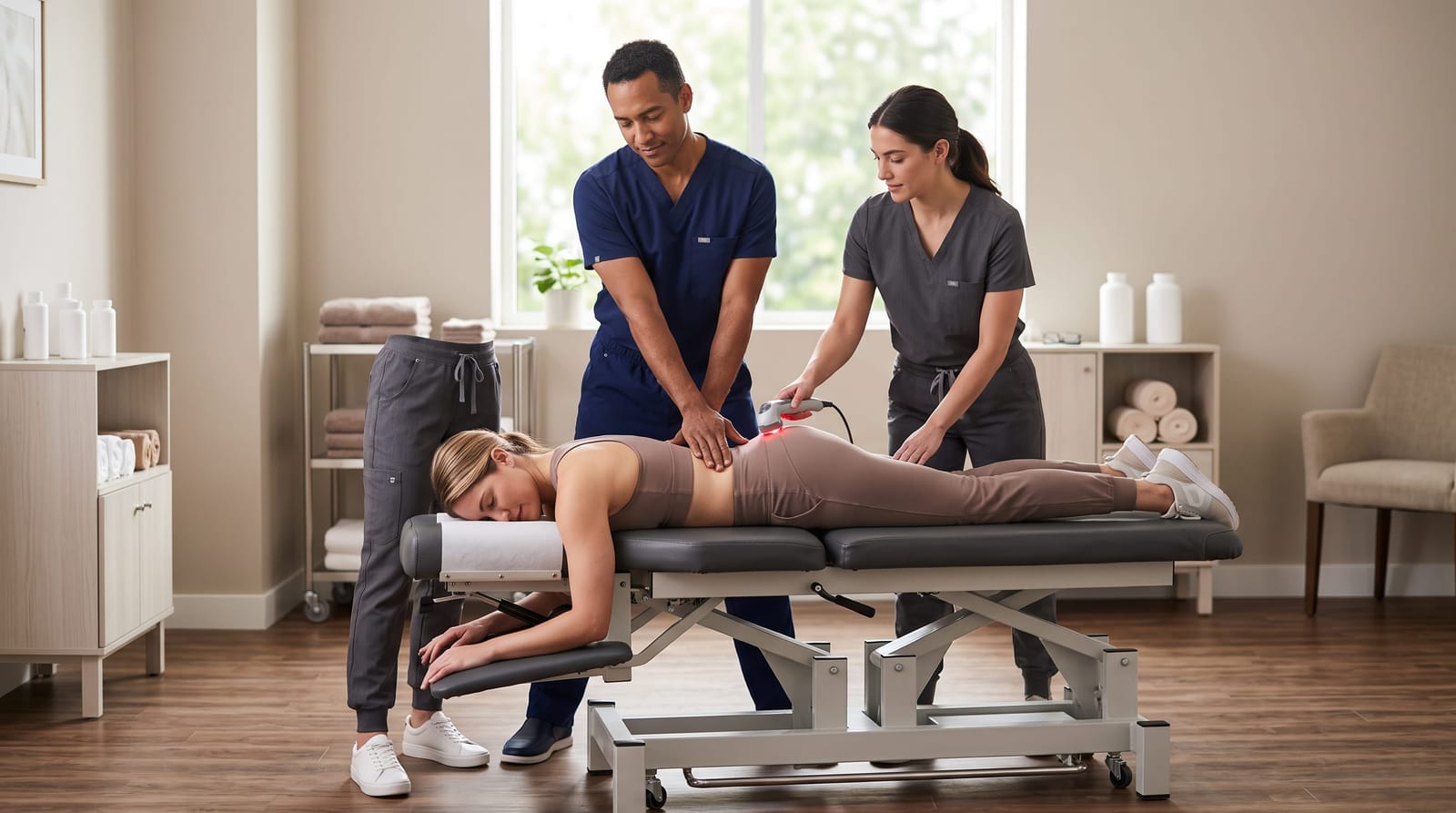
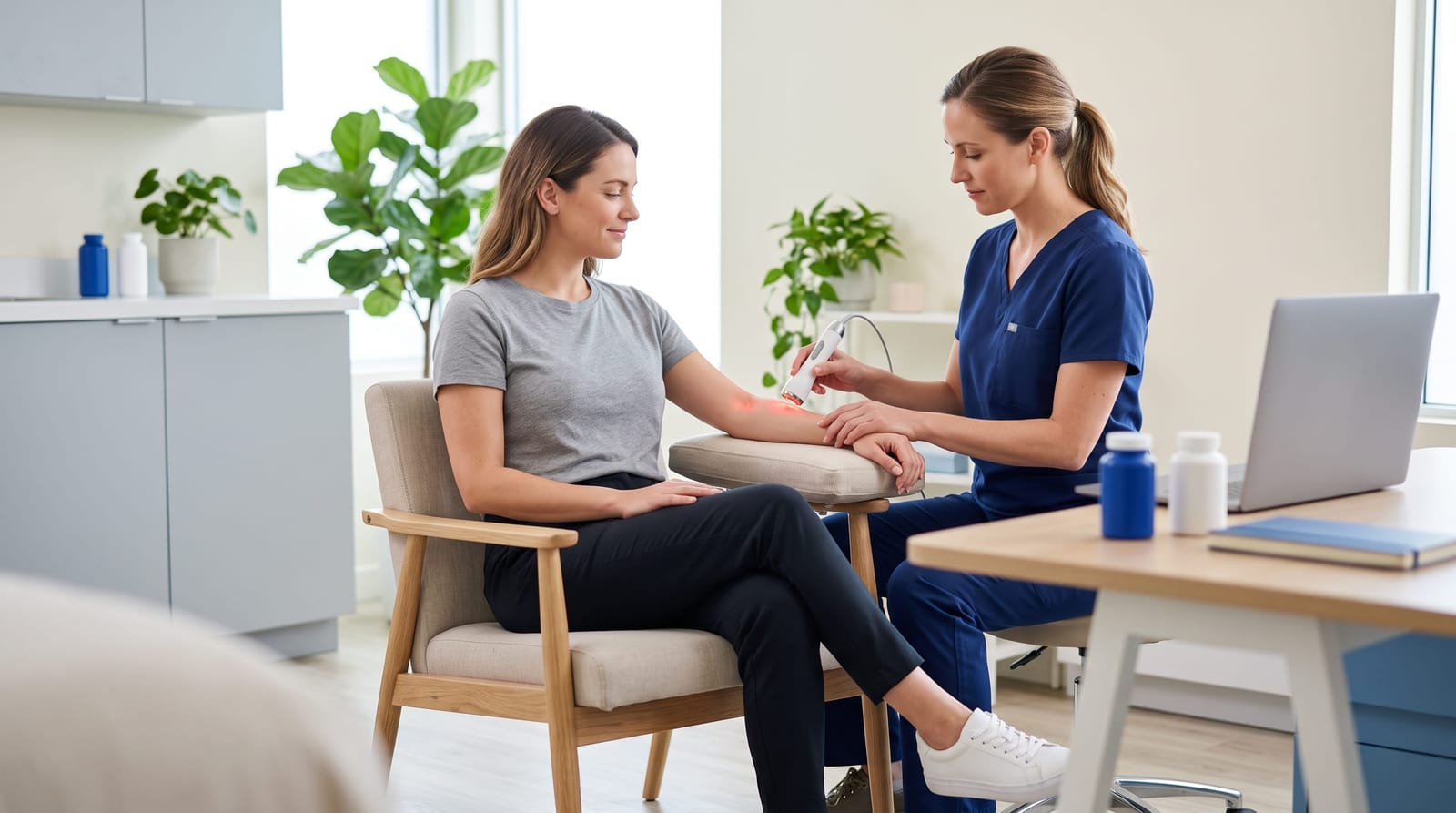
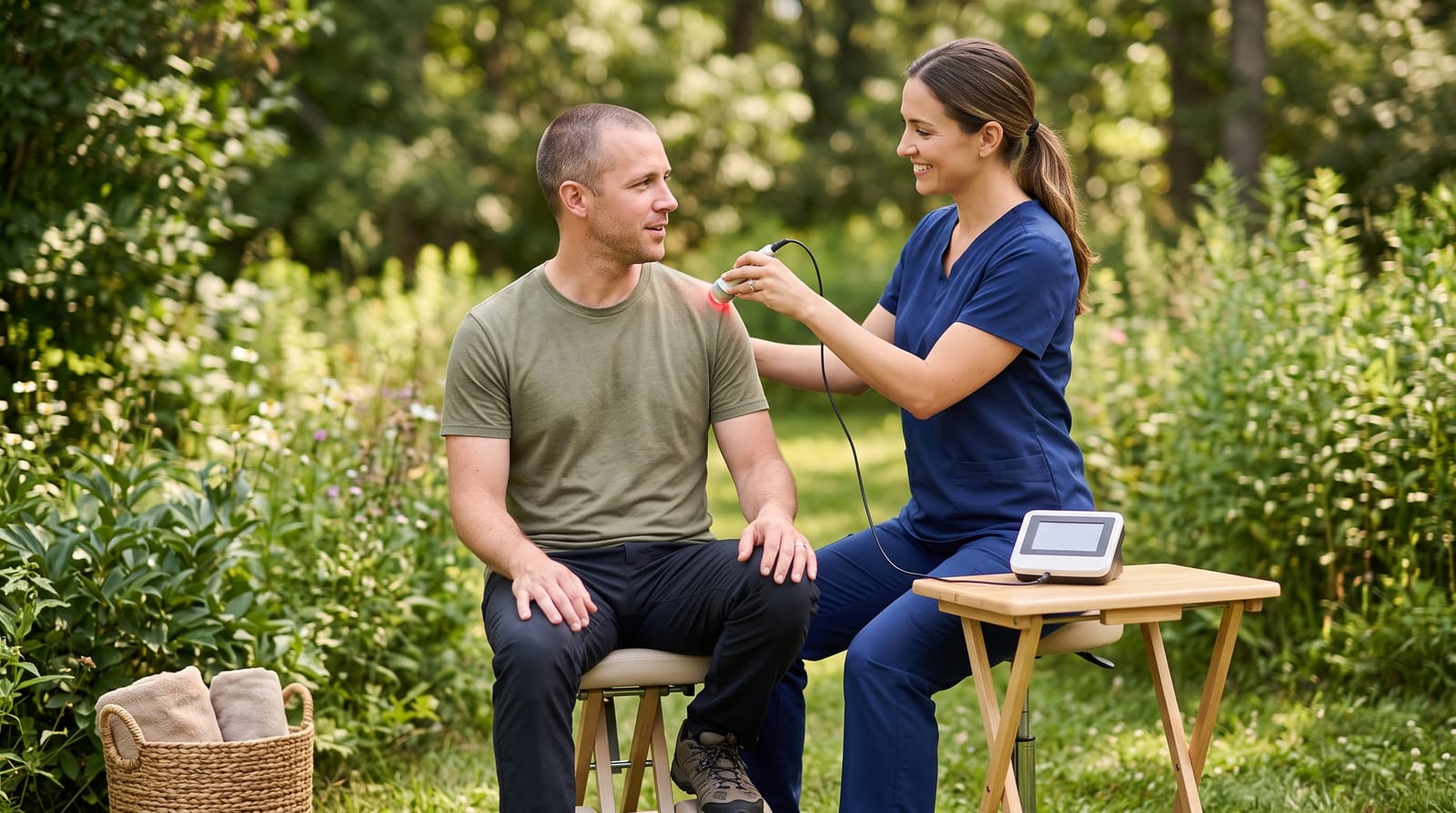
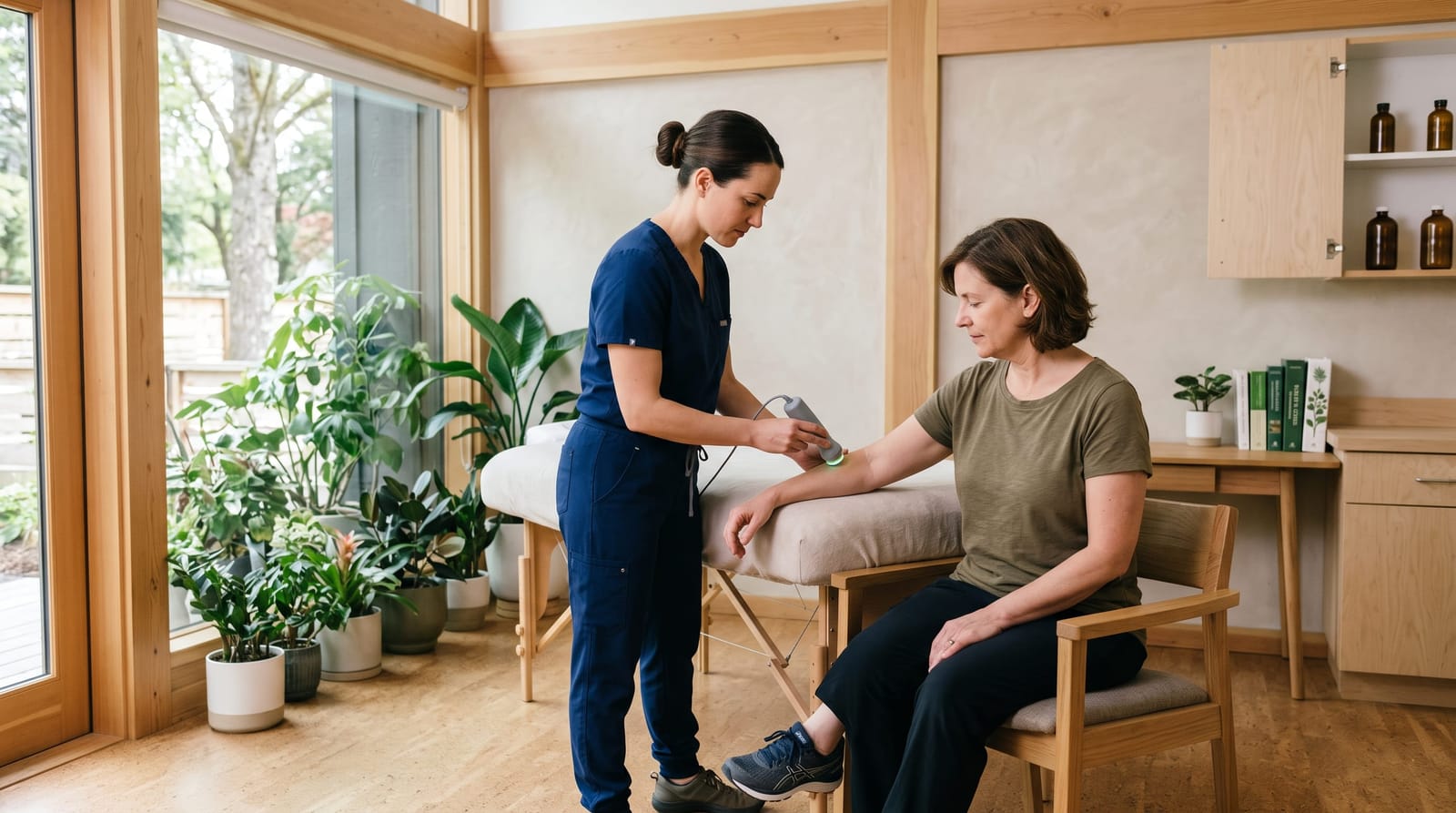
A handheld device is positioned directly over or near the lateral epicondyle, the bony point on the outer elbow, and the surrounding forearm muscles. The provider may move the device in a grid pattern across the treatment area. There are no needles, no incisions, and nothing applied to the skin. Sessions are simple, quiet, and non-disruptive.
---Cold Laser Therapy vs. Cortisone Injections and Rest Alone
Many patients with tennis elbow have already tried one or more conventional approaches before exploring cold laser treatment. Here's an educational comparison of the most common paths:
- Rest alone: Effective for mild cases but slow: recovery timelines of 6 months or longer are common. Doesn't address the quality of tendon tissue directly.
- Cortisone injections: Can provide short-term pain relief, but research suggests repeated injections may weaken tendon structure over time. Symptom return after the injection effect wears off is common.
- Physical therapy / exercise: Eccentric loading exercises are well-supported for tendon rehabilitation and are often used alongside laser therapy for stronger outcomes.
- Cold laser treatment for tennis elbow: Non-invasive, no recovery period, and targets the cellular repair process rather than temporarily numbing the area. Research supports its use over placebo for this condition. Often used as part of a broader rehabilitation plan.
It's worth noting that these approaches aren't necessarily exclusive. Many providers incorporate cold laser therapy alongside rehabilitative exercise or manual therapy for a more comprehensive recovery strategy. Consult with your healthcare provider to understand what combination makes sense for your situation.
---Realistic Outcomes: What Patients Generally Experience
Setting accurate expectations is an important part of any healthcare conversation. Cold laser therapy is not an overnight solution, and individual results vary based on the severity of tendon involvement, how long symptoms have been present, activity levels, and other health factors.
That said, patients who complete a structured protocol often report:
- Gradual reduction in outer elbow tenderness over the course of several sessions
- Improved grip comfort during everyday tasks
- A sense that recovery is progressing rather than stalling
- The ability to engage in rehabilitation exercises with less discomfort
For active professionals and athletes in the Los Angeles area looking to return to tennis, pickleball, gym training, or physically demanding work, cold laser treatment for tennis elbow offers a pathway that doesn't require you to stop everything while you wait to feel better. Many patients continue their regular routines, with modified activity where appropriate, throughout the course of care.
If you're curious about how cold laser therapy supports other repetitive-strain conditions in the arm and hand, our guide on cold laser therapy for carpal tunnel covers a related condition that often responds similarly to this approach.
---Frequently Asked Questions
How many cold laser sessions does tennis elbow typically require?
Research and clinical practice generally point to a range of 6 to 12 sessions for lateral epicondylitis, often delivered 2 to 3 times per week. The right number for any individual depends on factors like symptom severity and how long the condition has been present. Your provider will reassess your progress and adjust accordingly.
Is cold laser treatment for tennis elbow painful?
No: this is one of its most appreciated qualities. The treatment itself is painless. Most people feel mild warmth at most, and some feel nothing at all. There is no recovery period and no need to take time off after sessions.
Can I keep playing sports or working out while receiving cold laser therapy?
This is a question best answered by your provider based on your specific case. In general, cold laser therapy does not require complete rest, and many patients continue their activities with modifications. Your provider may recommend adjustments to how you load the elbow during the treatment course.
How does cold laser therapy for tennis elbow compare to a cortisone shot?
Cortisone injections can offer relatively quick short-term relief, but they address inflammation rather than the underlying tissue repair process. Cold laser therapy takes longer to show results but focuses on supporting the tendon's own healing mechanism. Both have their place in care, and a qualified provider can help you think through what's appropriate for your situation.
---Putting It All Together
Tennis elbow is one of those conditions that can feel deceptively simple, until it keeps you from doing the things that matter. Cold laser treatment for tennis elbow offers a research-supported, non-invasive approach that works with your body's natural repair process rather than simply suppressing symptoms. With a structured protocol of 6 to 12 sessions, no downtime, and a focus on restoring actual tendon health, it's a practical option worth exploring for active professionals who want to move forward without putting life on hold.
At Prodigy Chiro Care, we're here to help you understand your options and support your recovery in a way that fits your goals and lifestyle. Reach out to learn more about how cold laser therapy fits into our approach to musculoskeletal wellness.