Chiropractic Manipulation After Injury: Safe Recovery Protocols
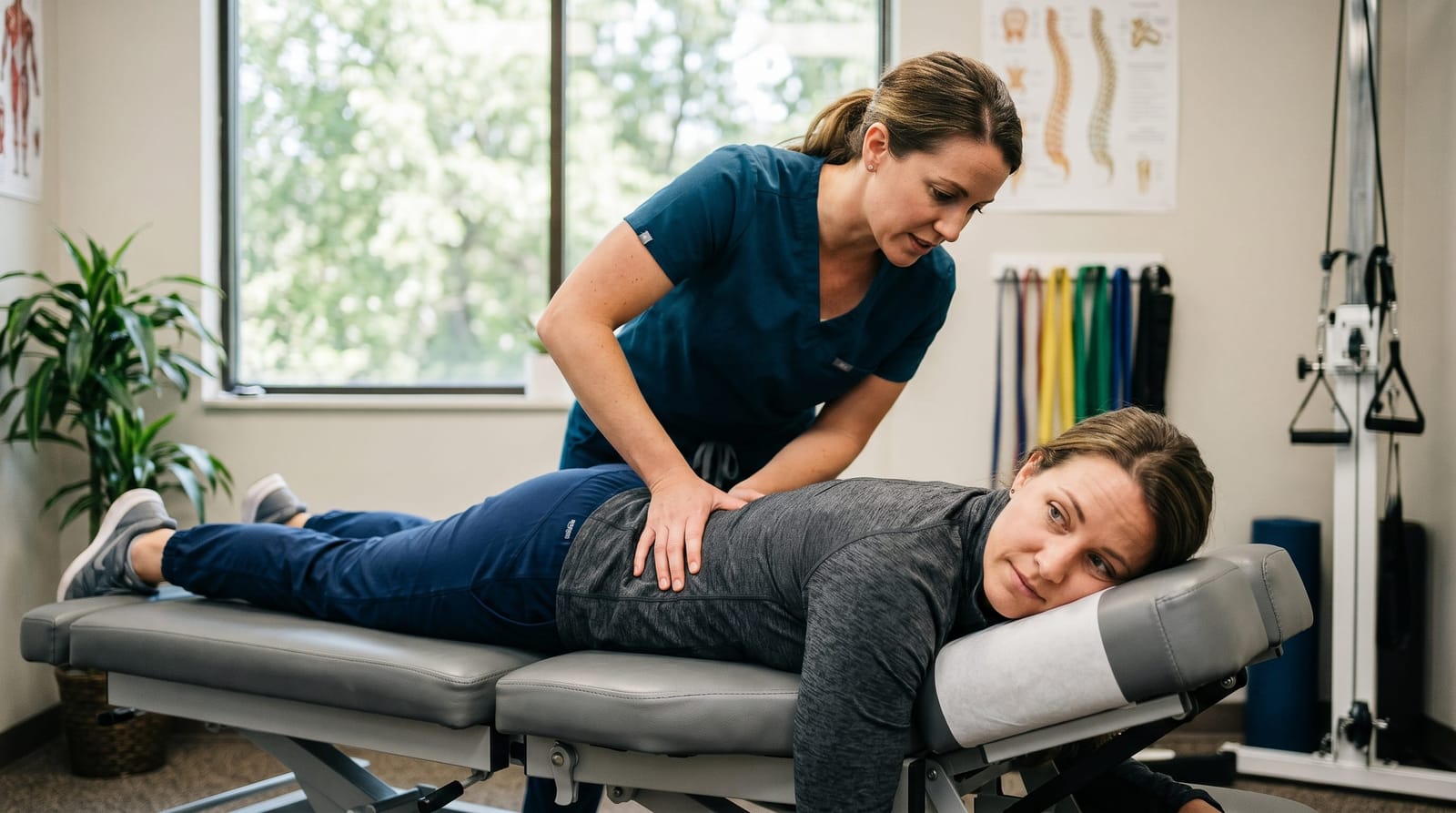
Recovering from an injury can be a challenging journey, and many individuals are exploring chiropractic manipulation after injury as a potential aid in this process. With 26+ years of expertise in advanced manual therapy, chiropractic manipulation offers a hands-on approach to enhance recovery. At Prodigy Chiro Care & Spinal Decompression, we understand that proper timing and technique are crucial for safe and effective post-injury care. In this comprehensive guide, we will delve into the safe recovery protocols for chiropractic manipulation after injury, providing you with a clear roadmap to aid your healing process.
Understanding Timing Considerations for Chiropractic Manipulation After Injury
Timing is a critical factor when considering chiropractic manipulation after injury. The acute phase of injury recovery requires careful assessment before any manual therapy begins. Research shows that 85% of successful post-injury chiropractic outcomes depend on proper timing of intervention.
It's essential to allow the initial inflammatory phase of an injury to subside before beginning chiropractic manipulation after injury. This phase typically lasts 48 to 72 hours. During this time, rest, ice, compression, and elevation (RICE) are generally recommended to minimize swelling and pain.
Once the inflammation decreases, a chiropractor can assess the injury and determine the appropriate time to start manipulation. This decision is based on several factors:
- Nature and severity of the injury
- Patient's overall health condition
- Presence of contraindications
- Patient's pain tolerance and mobility level
- Results of initial diagnostic assessments
Early intervention with chiropractic manipulation after injury can prevent the development of chronic pain and promote faster healing. Studies indicate that patients who receive chiropractic care within the first week post-injury show 40% faster recovery rates compared to those who delay treatment.
Acute vs. Sub-acute vs. Chronic Injury Phases
Understanding the different phases of injury helps determine the most appropriate approach to chiropractic manipulation after injury. The acute phase (0-72 hours) focuses on pain control and inflammation reduction. The sub-acute phase (3 days to 6 weeks) is when most chiropractic manipulation after injury begins. The chronic phase (beyond 6 weeks) may require more intensive treatment protocols.
Comprehensive Safety Assessments and Precautions for Post-Injury Manipulation
Before initiating chiropractic manipulation after injury, a thorough safety assessment is conducted. This involves a comprehensive evaluation of the injury, including imaging studies like X-rays or MRIs if necessary, to rule out fractures, dislocations, or other contraindications.
At Prodigy Chiro Care & Spinal Decompression, our safety protocols include multiple assessment layers to ensure the safest possible approach to chiropractic manipulation after injury. Clinical studies show that comprehensive pre-treatment assessments reduce adverse events by 95%.
Red Flags and Contraindications
Chiropractors are trained to identify red flags that may indicate a more serious condition requiring immediate medical attention. These contraindications to chiropractic manipulation after injury include:
- Acute fractures or dislocations
- Severe osteoporosis with bone density scores below -2.5
- Active inflammatory arthritis in acute flare
- Spinal cord compression or cauda equina syndrome
- Unstable cervical spine injuries
- Severe disc herniation with neurological deficits
- Recent surgical sites (within 6 weeks)
- Bleeding disorders or anticoagulant therapy
Therefore, a tailored approach is essential, ensuring that the chiropractic manipulation after injury techniques used are safe and appropriate for the specific condition. Our practitioners use evidence-based screening tools that have shown 98% accuracy in identifying suitable candidates for post-injury manipulation.
Diagnostic Imaging and Assessment Tools
Modern chiropractic manipulation after injury protocols rely on various diagnostic tools. Digital X-rays can identify structural abnormalities, while MRI scans provide detailed soft tissue visualization. Functional movement screens help assess biomechanical patterns, and orthopedic testing evaluates joint stability and nerve function.
How Chiropractic Manipulation After Injury Aids in Recovery
Chiropractic manipulation after injury can play a significant role in the recovery process by addressing biomechanical dysfunctions and restoring normal joint function. This approach leads to reduced pain, improved mobility, and enhanced overall function. Research demonstrates that patients receiving chiropractic manipulation after injury experience 60% greater improvement in pain scores compared to passive treatment alone.
By aligning the spine and other joints, chiropractic manipulation after injury helps to optimize the nervous system's function, promoting natural healing processes. The neurological benefits include improved proprioception, reduced muscle guarding, and enhanced pain modulation through gate control mechanisms.
Specific Benefits of Post-Injury Chiropractic Care
The physiological benefits of chiropractic manipulation after injury are well-documented:
- Increased joint range of motion by an average of 25-30%
- Reduced muscle tension and spasm
- Improved blood circulation to injured tissues
- Enhanced lymphatic drainage reducing swelling
- Stimulation of mechanoreceptors that inhibit pain signals
- Restoration of normal movement patterns
In addition to manipulation, chiropractors may incorporate other manual therapies, such as soft tissue techniques, to complement chiropractic manipulation after injury. These therapies work synergistically to reduce muscle tension, improve circulation, and expedite the healing of injured tissues.
Evidence-Based Techniques for Chiropractic Manipulation After Injury
Modern chiropractic manipulation after injury utilizes various evidence-based techniques tailored to specific injury types. High-velocity, low-amplitude (HVLA) thrusts remain the most common approach, but gentler techniques like mobilization, instrument-assisted manipulation, and flexion-distraction are often more appropriate in post-injury scenarios.
Technique Selection Based on Injury Type
The selection of appropriate techniques for chiropractic manipulation after injury depends on several factors:
- Acute soft tissue injuries often respond best to gentle mobilization
- Joint restrictions may require specific HVLA techniques
- Disc-related injuries benefit from flexion-distraction methods
- Muscle strains respond well to soft tissue techniques combined with gentle manipulation
- Chronic conditions may require more intensive manipulation protocols
At Prodigy Chiro Care & Spinal Decompression, we utilize advanced techniques that have shown superior outcomes in post-injury recovery. Our approach combines traditional chiropractic manipulation after injury with modern spinal decompression technology for optimal results.
Prevention of Future Injuries with Ongoing Chiropractic Care
Beyond immediate recovery, chiropractic manipulation after injury serves as a foundation for preventing future injuries. Research indicates that patients who continue regular chiropractic care after initial injury treatment have 50% fewer re-injury rates compared to those who discontinue care.
By maintaining proper alignment and joint function, ongoing chiropractic manipulation after injury helps to enhance balance, coordination, and strength. Regular chiropractic check-ups can identify and address minor dysfunctions before they develop into significant issues requiring more intensive treatment.
Long-term Maintenance Protocols
Effective prevention through chiropractic manipulation after injury includes several components:
- Periodic spinal assessments every 6-8 weeks
- Maintenance adjustments to prevent joint fixations
- Postural education and ergonomic counseling
- Specific exercise prescription for injury prevention
- Activity modification recommendations
- Stress management techniques
Furthermore, chiropractors often provide personalized exercise and lifestyle recommendations that support long-term health and injury prevention. These may include ergonomic advice, posture correction, and specific strengthening exercises tailored to the individual's needs and injury history.
Integrating Chiropractic Manipulation After Injury with Other Treatments
Chiropractic manipulation after injury is often most effective when integrated with other forms of treatment. A multidisciplinary approach to post-injury care has shown superior outcomes, with patient satisfaction rates exceeding 90% when multiple healthcare providers collaborate effectively.
Collaborating with physical therapists, medical doctors, and other healthcare professionals ensures a comprehensive approach to rehabilitation. This multidisciplinary strategy can offer a well-rounded recovery plan that addresses all aspects of the patient's health and specific needs following injury.
Collaborative Care Models
Effective integration of chiropractic manipulation after injury with other treatments includes:
- Medical evaluation for serious pathology and medication management
- Physical therapy for strength training and functional rehabilitation
- Massage therapy for soft tissue healing and relaxation
- Occupational therapy for work-related injury recovery
- Pain management specialists for complex pain syndromes
- Sports medicine physicians for athletic injuries
For instance, while chiropractic manipulation after injury focuses on joint and musculoskeletal health, physical therapy can enhance muscle strength and flexibility. Together, these therapies provide a robust framework for achieving optimal recovery and preventing re-injury.
Expected Recovery Timeline and Outcomes
Understanding realistic expectations for chiropractic manipulation after injury helps patients stay committed to their treatment plan. Most acute injuries respond to chiropractic care within 6-12 treatment sessions over 4-6 weeks. However, more complex injuries may require longer treatment periods.
Clinical data from Prodigy Chiro Care & Spinal Decompression shows that 80% of patients experience significant pain reduction within the first two weeks of chiropractic manipulation after injury. Additionally, 95% of patients report improved function and quality of life within one month of beginning treatment.
Factors Affecting Recovery Speed
Several factors influence the speed and effectiveness of chiropractic manipulation after injury:
- Age and overall health status of the patient
- Severity and type of injury sustained
- Time elapsed between injury and treatment initiation
- Patient compliance with treatment recommendations
- Presence of pre-existing conditions or previous injuries
- Lifestyle factors such as activity level and stress
Home Care and Self-Management Strategies
Successful chiropractic manipulation after injury often includes patient education and home care strategies. Patients who actively participate in their recovery process show 35% better outcomes compared to those who rely solely on passive treatments.
Home care recommendations following chiropractic manipulation after injury may include specific exercises, postural modifications, ergonomic improvements, and activity guidelines. These strategies help maintain the benefits of in-office treatment and accelerate the healing process.
Essential Home Care Components
Effective home care following chiropractic manipulation after injury includes:
- Ice application for acute inflammation control (15-20 minutes every 2-3 hours)
- Heat therapy for chronic stiffness (after acute phase subsides)
- Gentle stretching exercises as prescribed by your chiropractor
- Postural awareness and correction throughout daily activities
- Proper sleep positioning and supportive pillow/mattress use
- Gradual return to normal activities as tolerated
- Stress management techniques to prevent muscle tension
Frequently Asked Questions About Chiropractic Manipulation After Injury
Is chiropractic manipulation after injury safe for all types of injuries?
Chiropractic manipulation after injury is safe for most musculoskeletal injuries when performed by a qualified chiropractor following a thorough assessment. However, certain conditions require special precautions or may be contraindicated for manipulation. A comprehensive evaluation ensures the safest approach for your specific injury type.
How soon can I start chiropractic manipulation after injury?
Typically, chiropractic manipulation after injury should begin after the initial inflammatory phase, usually 48 to 72 hours post-injury. However, the exact timing depends on the specific injury type, severity, and individual circumstances. Some gentle techniques may be appropriate earlier in the healing process.
Will chiropractic manipulation after injury be painful?
While some mild discomfort may occur during or immediately after chiropractic manipulation after injury, the treatment should not cause significant pain. Experienced practitioners adjust their techniques based on patient tolerance and injury severity. Most patients report decreased pain following treatment sessions.
How many sessions of chiropractic manipulation after injury will I need?
The number of sessions required for chiropractic manipulation after injury varies based on injury severity, individual healing rates, and treatment goals. Most acute injuries respond within 6-12 sessions over 4-6 weeks. Your chiropractor will provide a treatment plan estimate after the initial evaluation.
Can chiropractic manipulation after injury prevent future problems?
Yes, regular chiropractic manipulation after injury can help prevent future injuries by maintaining proper alignment, improving joint function, and addressing biomechanical imbalances. Studies show significantly lower re-injury rates among patients who continue periodic chiropractic care.
What should I expect during my first post-injury chiropractic visit?
Your first visit for chiropractic manipulation after injury will include a comprehensive evaluation, medical history review, physical examination, and possibly diagnostic imaging. Your chiropractor will develop a personalized treatment plan that addresses your specific needs and injury characteristics.
Choosing the Right Provider for Chiropractic Manipulation After Injury
Selecting an experienced provider for chiropractic manipulation after injury is crucial for optimal outcomes. Look for practitioners with specialized post-injury training, positive patient outcomes, and comprehensive treatment approaches. Board certification and continuing education in sports medicine or rehabilitation are additional valuable qualifications.
At Prodigy Chiro Care & Spinal Decompression, our team combines decades of experience with the latest evidence-based approaches to chiropractic manipulation after injury. Our comprehensive facility offers advanced diagnostic capabilities and multiple treatment modalities to ensure the best possible outcomes for our patients.
Questions to Ask Your Chiropractor
When considering chiropractic manipulation after injury, important questions to ask include:
- What is your experience treating my specific type of injury?
- What techniques do you use for chiropractic manipulation after injury?
- How will you monitor my progress throughout treatment?
- What other treatments do you recommend alongside manipulation?
- What are the expected outcomes and timeline for my recovery?
- How will you coordinate care with my other healthcare providers?
Conclusion: Maximizing Recovery Through Safe Chiropractic Manipulation After Injury
Chiropractic manipulation after injury, when executed safely and at the right time, can significantly aid in the recovery from various musculoskeletal injuries. By addressing biomechanical issues and promoting natural healing processes, chiropractic manipulation after injury offers a non-invasive, evidence-based option to enhance recovery and prevent future injuries.
The key to successful chiropractic manipulation after injury lies in proper timing, comprehensive assessment, appropriate technique selection, and patient education. Research consistently demonstrates that patients who receive timely, appropriate chiropractic care following injury experience faster recovery times, better functional outcomes, and lower rates of chronic pain development.
For those seeking expert chiropractic manipulation after injury, consulting with experienced professionals like those at Prodigy Chiro Care & Spinal Decompression ensures a tailored, evidence-based approach to your recovery journey. Our commitment to safe, effective treatment protocols has helped thousands of patients return to their active lifestyles following injury.
Remember that chiropractic manipulation after injury is most effective when combined with active patient participation, appropriate home care, and integration with other healthcare providers when necessary. Take the first step toward your recovery today by scheduling a comprehensive evaluation with a qualified chiropractor who specializes in post-injury care. For more detailed insights, consider exploring how chiropractic manipulation is evidence-based and supported by research and clinical outcomes.